


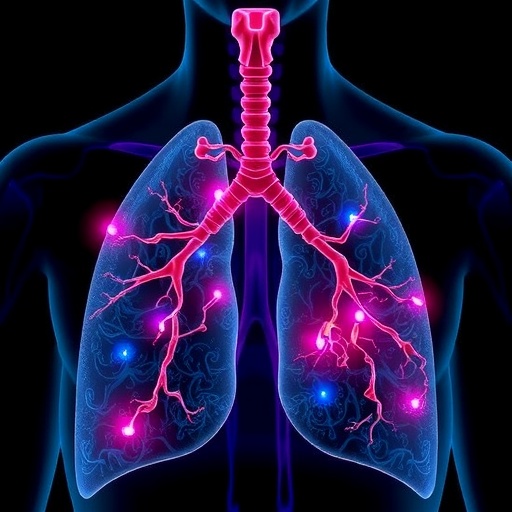
In a groundbreaking study, scientists have delved into the intricacies of Benzo[a]pyrene-induced lung adenocarcinoma, a malignancy closely tied to environmental carcinogens, through innovative methods that merge network toxicology with machine learning algorithms. This research harnesses modern computational power to uncover the complex biological pathways and interactions that lead to the development of this aggressive form of cancer. As awareness of the implications of toxic environmental exposures grows, understanding the mechanisms behind carcinogenesis has never been more critical.
Benzo[a]pyrene, a polycyclic aromatic hydrocarbon found in tobacco smoke, grilled meats, and urban air pollution, has long been identified as a potent carcinogen. The unfolding narrative surrounding its role in lung adenocarcinoma has prompted researchers to seek clarity on how such compounds cause cellular transformations. Traditional methods of cancer research often focus on isolating specific pathways or genetic mutations. In contrast, the integration of network toxicology allows for a more holistic view of how toxic substances interact with biological systems.
Network toxicology is an emerging field that examines the effects of toxic agents as components of complex biological networks rather than as isolated factors. This approach recognizes that cells do not operate in a vacuum; rather, they are part of an intricate web of signaling pathways, metabolic processes, and cellular interactions. By employing this method, scientists can better understand how Benzo[a]pyrene disrupts normal cellular functions.
To further refine their analysis, researchers employed machine learning techniques, which are at the forefront of data analytics and modeling today. These sophisticated algorithms can process vast amounts of biological data, recognize patterns, and predict outcomes that may not be immediately evident through traditional experimental approaches. The use of machine learning in the study of carcinogenesis opens new avenues for the identification of biomarkers and therapeutic targets.
The researchers conducted a thorough investigation where they compiled data from various sources, including existing genetic databases and clinical studies. Leveraging this wealth of information, they constructed a comprehensive network model to simulate how Benzo[a]pyrene affects cellular pathways leading to lung adenocarcinoma. The sophistication of this model allows researchers to visualize how different cellular components interact with each other in the presence of the carcinogen.
By analyzing network data with machine learning tools, the study revealed potential pathways leading to cancer cell proliferation, resistance to apoptosis, and metastasis. These findings underscore that the transformation from a normal cell to a cancerous one is not a linear process but rather a multi-faceted evolution influenced by numerous factors. The research highlights specific signaling pathways that are significantly altered upon exposure to Benzo[a]pyrene, particularly those involved in inflammation and DNA damage responses.
One of the most captivating results from this study is the identification of key genes that may serve as biomarkers for early detection of Benzo[a]pyrene-induced lung adenocarcinoma. Detecting these biomarkers in at-risk populations, especially those exposed to high levels of environmental pollutants, could facilitate timely interventions and improve patient prognoses. This advancement in early detection holds significant promise for reducing lung cancer mortality rates.
Moreover, the utilization of machine learning algorithms has allowed the researchers to predict how different genetic backgrounds may influence an individual’s susceptibility to the carcinogenic effects of Benzo[a]pyrene. This personalized approach to cancer susceptibility could pave the way for tailored preventive strategies, paving the path for individualized medicine based on genetic predispositions.
The implications of this research extend beyond the laboratory. Policymakers and public health officials will need to consider these findings when establishing guidelines around environmental exposures, especially in urban areas with higher pollution levels. They must contemplate the importance of limiting exposure to Benzo[a]pyrene and other carcinogens, which could ultimately save lives.
This ground-breaking research is not only a testament to the power of interdisciplinary approaches in science but also serves as a call to action. As air quality becomes an increasing concern worldwide, understanding the complexities of how environmental toxins contribute to cancer can empower communities to advocate for healthier environments.
The relationship between environmental toxins like Benzo[a]pyrene and cancer rates illuminates a much larger issue. The interconnectedness of our health and our environments is often overlooked, yet it is critical to recognize that the air we breathe can have dire consequences on our cellular health. This presents an urgent need for further studies to explore additional carcinogens and their potential links to other cancers.
Ultimately, the work of Wang and colleagues is a significant leap forward in our comprehension of lung adenocarcinoma etiology. By weaving together network toxicology and machine learning, the research not only enhances our understanding of this specific cancer but also opens up new frameworks for investigating other complex diseases associated with environmental toxins. The future of cancer research may well lie in harnessing these advanced methodologies, offering hope for more effective prevention and treatment strategies.
In summary, this study presents a timely exploration of the mechanisms behind Benzo[a]pyrene-induced lung adenocarcinoma, reinforcing the urgent need for integrated approaches in cancer research. Through the innovative combination of network toxicology and machine learning, scientists are unlocking the potential to transform our understanding and management of cancer, guided by the collaborative interplay between environmental health and genomics.
Subject of Research: Benzo[a]pyrene-induced lung adenocarcinoma and its mechanisms
Article Title: Exploring the mechanisms of Benzo[a]pyrene-induced lung adenocarcinoma based on network toxicology and machine learning.
Article References:
Wang, Z., Wang, C., Wan, C. et al. Exploring the mechanisms of Benzo[a]pyrene-induced lung adenocarcinoma based on network toxicology and machine learning. BMC Pharmacol Toxicol (2025). https://doi.org/10.1186/s40360-025-01064-1
Image Credits: AI Generated
DOI: 10.1186/s40360-025-01064-1
Keywords: Benzo[a]pyrene, lung adenocarcinoma, network toxicology, machine learning, carcinogens, biomarkers, personalized medicine, environmental health.
Tags: Benzo[a]pyrene and lung cancerbiological pathways in cancercancer research innovationscomputational methods in cancer studiesenvironmental carcinogens and healthlung adenocarcinoma mechanismsmachine learning in toxicologynetwork toxicology in cancer researchpolycyclic aromatic hydrocarbons effectsrole of environmental toxinstobacco smoke carcinogenstoxic substance interactions



