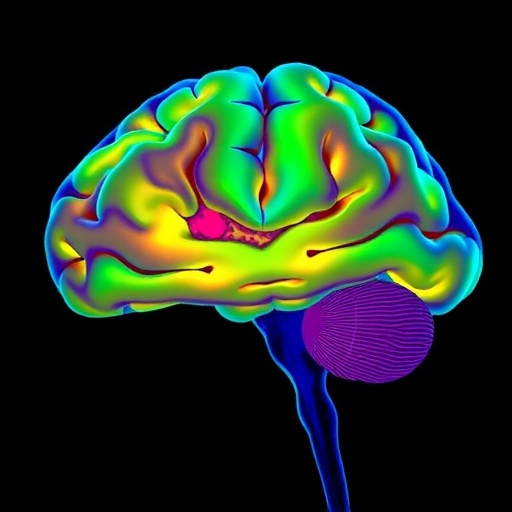
In an extraordinary case study published in BMC Pediatrics, researchers have detailed a rare and complex condition involving Dandy-Walker syndrome, which is intricately linked to a myriad of additional anatomic and physiological anomalies. This exploration sheds light on the unforeseen intersections of genetics, development, and clinical manifestations, offering critical insights that could aid in both diagnosis and treatment pathways for similar cases in the medical community.
Dandy-Walker syndrome is a congenital brain malformation characterized predominantly by the enlargement of the fourth ventricle, cyst formation in the posterior fossa, and an absence or hypoplasia of the cerebellar vermis. This condition not only disrupts normal brain development but also affects various associated systems, leading to a diverse range of clinical presentations. The subjects of this case report have displayed an unusually high number of comorbid conditions, prompting the need for rigorous clinical examination and a multidisciplinary approach to care.
In this particular case, the patient exhibited not just the hallmark traits of Dandy-Walker syndrome but also displayed amelia, which is the congenital absence of a limb or limbs. The implications of such an absence are profound, creating challenges not only in mobility but also in physical health and psychological well-being. Parents and caregivers face significant challenges in adapting to these manifestations, emphasizing the need for supportive care strategies tailored to individual circumstances.
Additionally, genu recurvatum, or knee hyperextension, was observed alongside the aforementioned anomalies. This condition exacerbates the patient’s mobility issues and could lead to long-term orthopedic complications if not addressed early through physical therapy or corrective surgical interventions. The correlation between Dandy-Walker syndrome and such musculoskeletal variations opens up new avenues for research into the mechanistic links between these seemingly separate conditions.
Haemangiomas, benign tumors of vascular origin, often cluster together with other congenital defects. In this report, the patient presented with multiple haemangiomas on the skin as well as internal hemangiomatous lesions. While these tumors are typically harmless, their presence in conjunction with Dandy-Walker syndrome raises questions about the developmental origins and shared risk factors underpinning these anomalies. This synchronous occurrence invites an exploration into the vascular anomalies during early gestational development, furthering our understanding of congenital conditions.
The presence of complex congenital heart defects is another critical aspect of this case. Children with Dandy-Walker syndrome frequently experience cardiovascular issues due to the interplay of genetic and environmental factors in development. The complexity of heart abnormalities in the patients under study serves as a reminder of the extensive interdependence within bodily systems, emphasizing the need for thorough cardiac evaluation in pediatric patients diagnosed with neurological anomalies.
Adding another layer of complexity to this case, the patient also exhibited schizencephaly, a rare malformation of the cerebral cortex characterized by abnormal clefts in the brain. This neurological condition can lead to significant cognitive and physical challenges, making early diagnosis and intervention crucial for improving outcomes. The intersection of Dandy-Walker syndrome and schizencephaly illuminates additional avenues for inquiry regarding neurodevelopmental pathways and their associated risks.
Notably, dyslipidaemia was documented in the patient, a condition characterized by abnormal amounts of lipids in the blood. This endocrine disruption can lead to various medical complications, including cardiovascular disease. The presence of dyslipidaemia alongside other defects denotes the need for comprehensive metabolic assessment in patients with congenital anomalies, stressing the importance of a holistic, interdisciplinary approach in pediatric healthcare.
The authors of the case report underscore the need for increased awareness of the complexity of Dandy-Walker syndrome as more than simply a standalone condition. It is essential that practitioners consider the broader implications of such a diagnosis, recognizing the potential for multiplicative effects that can arise from coexisting conditions within a single patient. This increased awareness lays the groundwork for advancing clinical protocols to ensure that all aspects of a patient’s health are addressed.
In light of these findings, the researchers call for extensive follow-up studies and collaborative research efforts to establish guidelines for managing patients exhibiting such diverse symptomatology. Collaboration among specialists—neurologists, cardiologists, orthopedic surgeons, genetic counselors, and pediatricians—can lead to better management options and improved care strategies tailored to the specific needs of affected individuals.
This case report serves not only as a narrative account of a rare clinical entity but as a vital contribution to the discourse surrounding congenital malformations. Understanding the interplay of various congenital conditions, as seen in patients with Dandy-Walker syndrome, is paramount if we hope to eventually unravel the complexities of human development and address the medical community’s ongoing challenges.
Indeed, this unique case stands as a catalyst for further research into both the etiology and management of Dandy-Walker syndrome and its associated anomalies. It illustrates the intricacies of congenital malformations and the need for an integrated approach to diagnosis, treatment, and support.
As we move forward, the implications of this research extend beyond the individual case—encouraging further investigations into the interconnectedness of congenital abnormalities and opening up new pathways for intervention that can ultimately improve patient outcomes. The intersection of neurology, cardiology, and metabolic disorders emphasizes the need to expand our understanding of how these systems interact, providing invaluable knowledge for future generations of medical professionals.
By fostering awareness and encouraging collaborative research, we pave the way toward a future where complex congenital anomalies can be managed more effectively, enhancing the quality of life for those affected by rare syndromes such as Dandy-Walker and its associated conditions. The journey toward comprehensive care in the face of complexity is a noble pursuit, one that calls for our utmost dedication as we strive to illuminate the path forward.
Through this case study, the medical community is urged to consider the implications of such findings not only in the context of Dandy-Walker syndrome but also as a reflection of the greater understanding of human physiology and development. The journey of these patients is far from over; it is a call to action for all medical professionals to engage in ongoing learning and collaboration in the realm of congenital diseases.
Ultimately, this deep dive into Dandy-Walker syndrome stands as an inspiring reminder of the resilience found within the human experience and the endless potential for scientific discovery and compassionate care.
Subject of Research: Dandy-Walker Syndrome and associated congenital conditions
Article Title: Dandy-Walker syndrome linked to amelia, genu recurvatum, haemangioma, complex congenital heart defects, schizencephaly, and dyslipidaemia: a case report
Article References:
Abdalrheem Mohamedsalih, A.H., Abdalla, A.M. & Mohammed, M.A. Dandy-Walker syndrome linked to amelia, genu recurvatum, haemangioma, complex congenital heart defects, schizencephaly, and dyslipidaemia: a case report.
BMC Pediatr (2025). https://doi.org/10.1186/s12887-025-06407-9
Image Credits: AI Generated
DOI: 10.1186/s12887-025-06407-9
Keywords: Dandy-Walker syndrome, congenital anomalies, amelia, genu recurvatum, haemangioma, congenital heart defects, schizencephaly, dyslipidaemia.
Tags: amelia and limb absenceassociated congenital anomaliesclinical manifestations of Dandy-Walker syndromecomorbid conditions in Dandy-Walkercongenital brain malformationsDandy-Walker syndromediagnosis and treatment of Dandy-Walker syndromegenetic factors in brain developmentimplications of congenital anomaliesmultidisciplinary care for Dandy-Walkerneurological disorders in childrenpediatric case studies