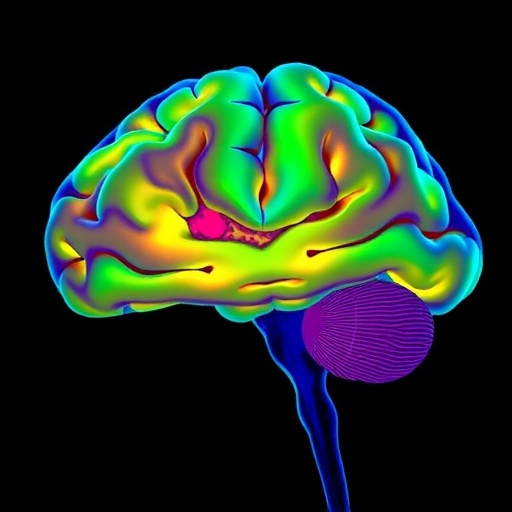
A recent study published in BMC Neuroscience has unveiled critical insights into the sex-specific neurotoxic effects of cypermethrin on the hippocampus, a pivotal brain region involved in memory and emotional regulation. This research, led by Imam et al., addresses a growing concern regarding the neurotoxicological impacts of pesticides, specifically in relation to gender differences in vulnerability. As the agricultural world increasingly relies on chemical agents like cypermethrin for pest control, understanding their potential threats to neural health becomes ever more vital.
Cypermethrin, a synthetic pyrethroid, is widely utilized across agricultural fields due to its efficacy against a range of pests. However, the implications of its neurotoxic properties are not confined to insects; they extend to mammals, including humans. Current findings suggest significant alterations in neuronal signaling in response to cypermethrin exposure. This underscores the necessity for more comprehensive evaluations of commonly used pesticides and their latent effects on neurological health.
One of the most striking revelations from the research is how cypermethrin-induced neurotoxicity varies significantly between sexes. Previous studies have often overlooked sex differences, assuming a one-size-fits-all impact of environmental neurotoxins. However, the present study delineates unique biochemical pathways influenced by this pesticide in male and female subjects. These findings are crucial for developing targeted therapeutic strategies and for fostering a greater understanding of how external chemicals can impact brain health in gender-specific ways.
The hippocampus, primarily responsible for processing memory and spatial navigation, is particularly susceptible to oxidative stress and inflammatory responses triggered by neurotoxins like cypermethrin. Imam and colleagues elucidate that the signaling molecules associated with antioxidant defense have been markedly altered following exposure to this pesticide. This disruption can compromise the brain’s ability to mitigate oxidative stress, resulting in a cascading effect that may lead to neurodegenerative conditions over time.
In addition to impacting antioxidant defenses, cypermethrin exposure disrupted the integrity of neuronal membranes. The integrity of membrane structures is crucial for the proper functioning of neurons, as it influences neurotransmitter release and neuronal signaling. The study highlights how these membrane alterations can lead to catastrophic failures in communication between neurons, affecting cognitive functions such as learning and memory retention.
Apoptosis, a process of programmed cell death, was also significantly affected by cypermethrin treatment. The researchers observed that cypermethrin exposure led to an increase in markers associated with apoptosis, suggesting a heightened sensitivity among neuronal cells to undergo cell death. This finding raises alarms about potential long-term consequences of pesticide exposure on brain health, emphasizing the need for stricter regulations on pesticide use, particularly in environments frequented by vulnerable populations.
The GABAergic system, responsible for inhibitory signaling in the brain, appeared to be compromised as well. The study indicated alterations in GABA receptor signaling, which can lead to excitatory imbalances within the neural circuitry. Such imbalances are implicated in various neurological and psychiatric disorders, reinforcing the idea that pesticide exposure could precipitate or exacerbate existing neurological issues.
These results call for an urgent reevaluation of current pesticide application practices and the need for rigorous safety assessments that take into account sex-specific responses to neurotoxins. Policymakers and agricultural stakeholders should prioritize research that informs safer alternatives or the development of less harmful pest control methods.
Moreover, the findings further bolster the argument for increased public awareness about the potential effects of pesticide exposure on human health. Education initiatives that inform the public, particularly those living in agricultural communities, could empower individuals to make informed decisions about pesticide exposure and its risks.
The multifaceted effects of cypermethrin on the brain highlight the complexity of neurotoxicology. It is critical to consider the interconnectedness of various signaling pathways affected by neurotoxic agents. Understanding these intricate relationships not only furthers scientific knowledge but also enhances our comprehension of potential interventions and treatments for those affected by neurotoxic exposure.
The implications of this study extend beyond the laboratory bench. It emphasizes a pressing need for interdisciplinary collaboration among toxicologists, neuroscientists, medical professionals, and policymakers. Such collaboration can drive forward a more holistic approach to public health concerning environmental exposures, ensuring that the findings translate into meaningful action.
In conclusion, the study by Imam et al. adds a significant piece to the puzzle of understanding how environmental neurotoxins, particularly cypermethrin, can shape brain health differently across sexes. As scientists delve deeper into this crucial area, we may uncover even more profound insights that could lead to preventative measures and therapeutic advancements in battling neurotoxic effects. The road ahead requires vigilance, advocacy, and a commitment to protecting neurological health in the face of burgeoning environmental challenges.
Subject of Research: The sex-specific effects of cypermethrin on hippocampal neurotoxicity.
Article Title: Sex-specific cypermethrin-induced hippocampal neurotoxicity is associated with alterations in signaling molecules for antioxidant defense, membrane integrity, apoptosis, and GABAergic integrity.
Article References:
Imam, A., Busari, M., Oyegbola, C. et al. Sex-specific cypermethrin-induced hippocampal neurotoxicity is associated with alterations in signaling molecules for antioxidant defense, membrane integrity, apoptosis, and GABAergic integrity.
BMC Neurosci (2025). https://doi.org/10.1186/s12868-025-00988-y
Image Credits: AI Generated
DOI:
Keywords: Neurotoxicology, cypermethrin, hippocampus, sex differences, apoptosis, oxidative stress, GABAergic system, pesticide exposure.
Tags: agricultural chemicals and brain healthcypermethrin neurotoxicity effectsenvironmental toxins and gender vulnerabilitygender-specific neurotoxic impacthippocampal function and pesticidesimplications of cypermethrin on mammalsneuronal signaling disruption by pesticidesneurotoxicological research on pesticidespesticide exposure and neurological healthsex differences in neurohealthsex-specific biochemical pathwayssynthetic pyrethroids and memory