• HOME
  • NEWS
  • EXPLORE
    • CAREER
      • Companies
      • Jobs
    • EVENTS
    • iGEM
      • News
      • Team
    • PHOTOS
    • VIDEO
    • WIKI
  • BLOG
  • COMMUNITY
    • FACEBOOK
    • INSTAGRAM
    • TWITTER
Tuesday, December 30, 2025
BIOENGINEER.ORG
No Result
View All Result
  • Login
  • HOME
  • NEWS
  • EXPLORE
    • CAREER
      • Companies
      • Jobs
        • Lecturer
        • PhD Studentship
        • Postdoc
        • Research Assistant
    • EVENTS
    • iGEM
      • News
      • Team
    • PHOTOS
    • VIDEO
    • WIKI
  • BLOG
  • COMMUNITY
    • FACEBOOK
    • INSTAGRAM
    • TWITTER
  • HOME
  • NEWS
  • EXPLORE
    • CAREER
      • Companies
      • Jobs
        • Lecturer
        • PhD Studentship
        • Postdoc
        • Research Assistant
    • EVENTS
    • iGEM
      • News
      • Team
    • PHOTOS
    • VIDEO
    • WIKI
  • BLOG
  • COMMUNITY
    • FACEBOOK
    • INSTAGRAM
    • TWITTER
No Result
View All Result
Bioengineer.org
No Result
View All Result
Home NEWS Science News Biology

Cycad leaf physiology research needed

Bioengineer by Bioengineer
August 1, 2017
in Biology
Reading Time: 2 mins read
0
Share on FacebookShare on TwitterShare on LinkedinShare on RedditShare on Telegram
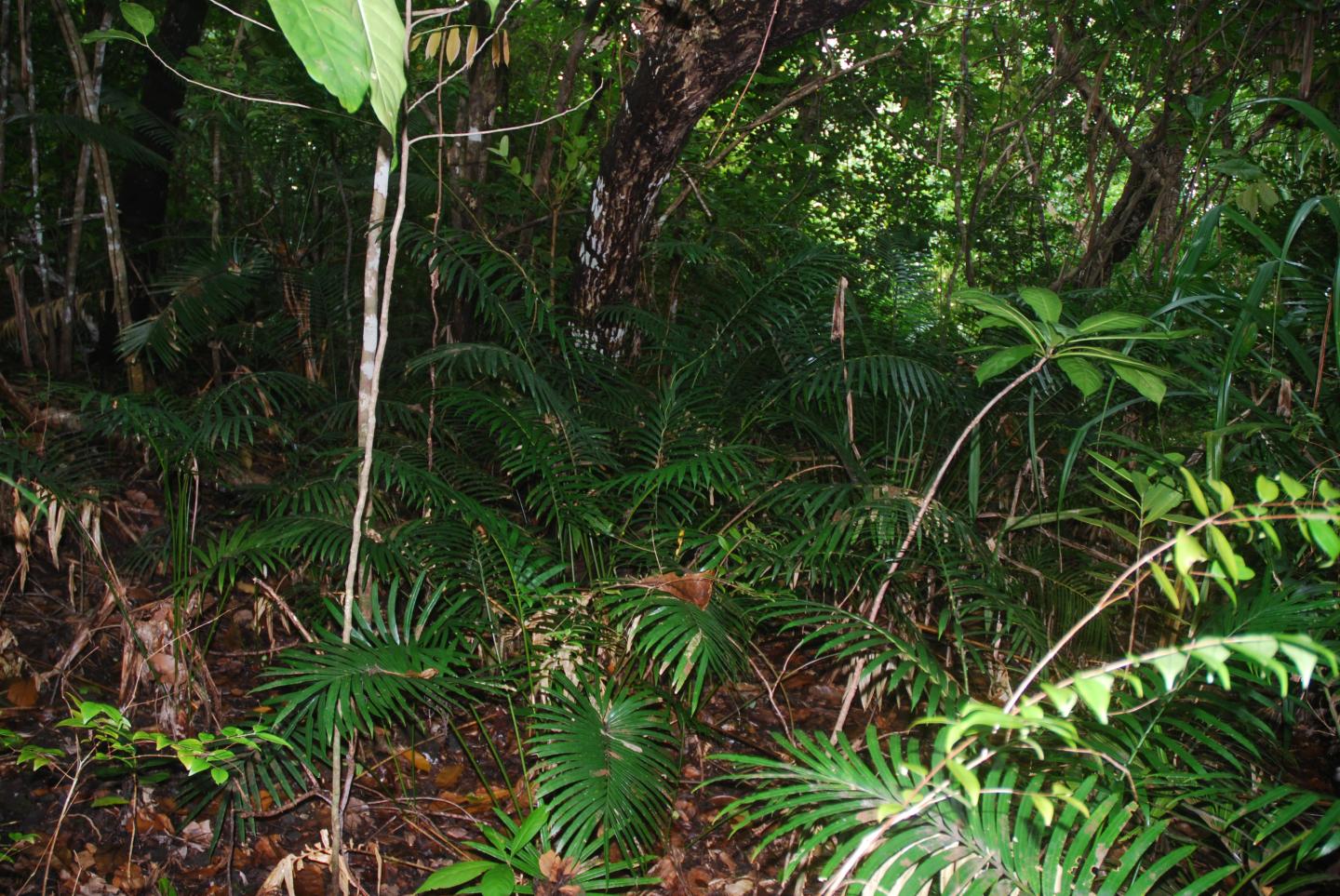
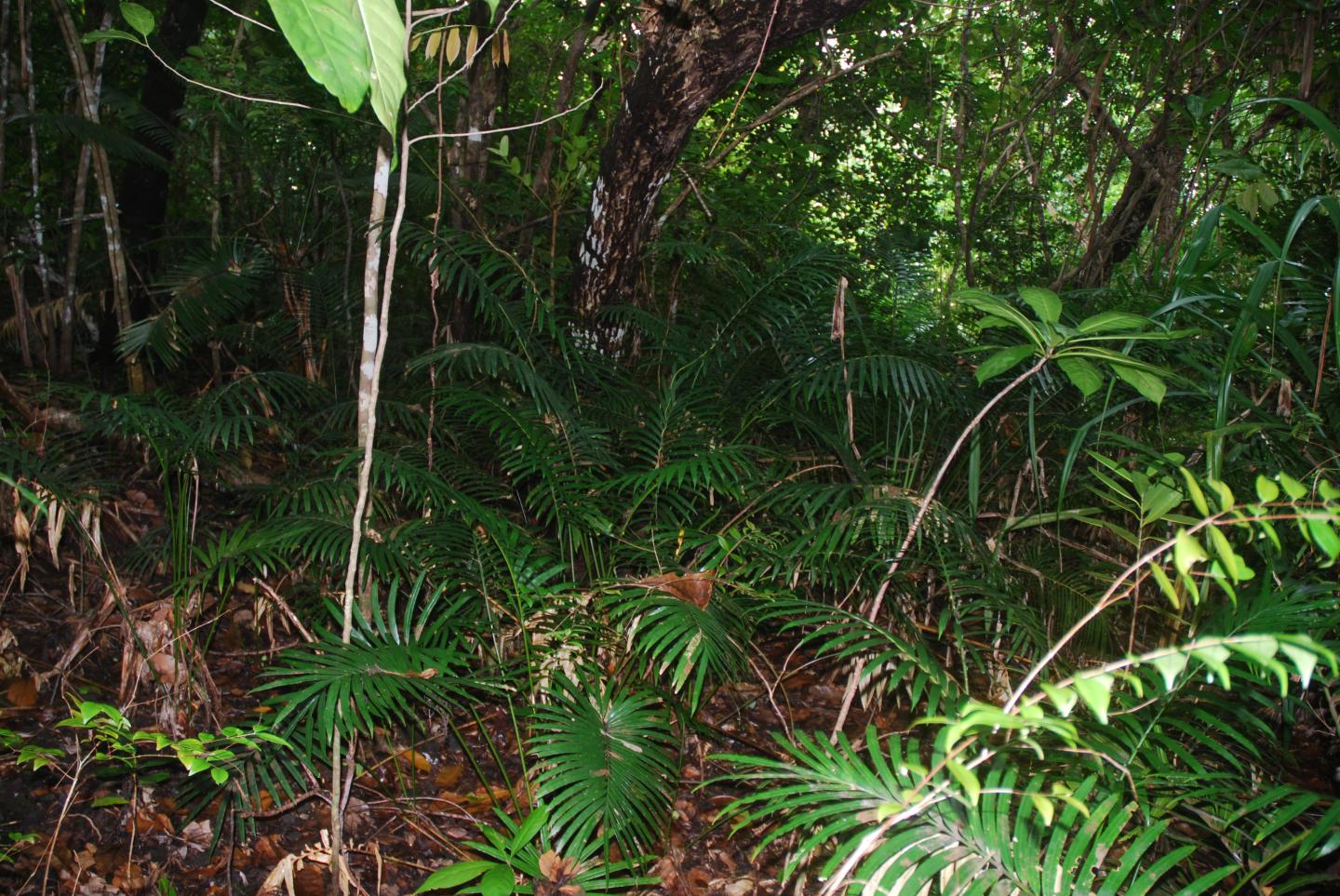
IMAGE

Credit: Thomas Marler

The living cycad species are among the world's most threatened plant groups, but are also among the world's least studied plant groups. The need for a greater understanding of basic physiology of cycads has been discussed for decades, yet to date the needed research is lacking.

Recent reports of how gymnosperms are more sluggish than angiosperms in the photosynthetic use of sunflecks in forest understory settings prompted an article from the University of Guam that appears in the current issue of the journal Plant Signaling & Behavior.

"The list of species used to represent gymnosperms in the conclusions on sunfleck use were restricted to conifers," said author Thomas Marler. "But the world's gymnosperms are also represented by three other groups of plants, and these were not included in the database that was used to formulate conclusions."

The Cycadidae, Ginkgoidae, and Gnetidae groups of plants are also gymnosperms, and collectively they contain close to 400 described species. Guiding principles are needed to improve the representation and relevance of these plants in contemporary research agendas.

According to Marler, the addition of more descriptive research targeting cycad species is welcomed regardless of the approach. But the adherence to protocols that ensure species relevance would improve the outcomes. Since forest canopy traits define sunfleck qualities, the experimental protocols for studying sunfleck use by newly studied species should be defined from the natural habitats of each species. Moreover, the behavior of cultivated plants often differs from that of plants in natural settings, and moving from the current level of minimal knowledge to a level of adequate knowledge may be reached most rapidly by studying these plants within their native range rather than in botanic gardens. A phenomenon called context dependency is also pertinent to the needed expansion of cycad research. Do environmental factors such as drought influence how a cycad plant capitalizes on the ephemeral access to sunflecks?

Attempts to link phylogenetic subsets of plants more closely to the broader global research agenda need to be accurate. Adding more physiology research to cycads would greatly improve our understanding of how the world's plants effectively utilize the pulses of sunlight that punctuate the forest sub-canopy.

###

Media Contact

Olympia Terral
[email protected]

http://www.uog.edu

Related Journal Article

http://dx.doi.org/10.1080/15592324.2017.1334030

Share12Tweet8Share2ShareShareShare2

Related Posts

Dictyostelium discoideum Adapts Gene Expression to Hypoxia

Dictyostelium discoideum Adapts Gene Expression to Hypoxia

December 30, 2025
Impact of Sex and Gender on Clinical Outcomes: Review

Impact of Sex and Gender on Clinical Outcomes: Review

December 29, 2025

Thousands of Lytic Phages Found in Bacterial Genomes

December 29, 2025

Persistent Virulent Phages Found Across Bacterial Isolates

December 29, 2025
Please login to join discussion

POPULAR NEWS

  • Robotic Waist Tether for Research Into Metabolic Cost of Walking

    NSF funds machine-learning research at UNO and UNL to study energy requirements of walking in older adults

    71 shares
    Share 28 Tweet 18
  • Exploring Audiology Accessibility in Johannesburg, South Africa

    51 shares
    Share 20 Tweet 13
  • Nurses’ Views on Online Learning: Effects on Performance

    70 shares
    Share 28 Tweet 18
  • SARS-CoV-2 Subvariants Affect Outcomes in Elderly Hip Fractures

    44 shares
    Share 18 Tweet 11

About

We bring you the latest biotechnology news from best research centers and universities around the world. Check our website.

Follow us

Recent News

E2F8 Boosts DTL, Driving Endometrial Cancer via MAPK

Brain Imaging Insights in Early-Onset Precocious Puberty

Self-Efficacy and Identity Predict Spiritual Care Competence

Subscribe to Blog via Email

Enter your email address to subscribe to this blog and receive notifications of new posts by email.

Join 71 other subscribers
  • Contact Us

Bioengineer.org © Copyright 2023 All Rights Reserved.

Welcome Back!

Login to your account below

Forgotten Password?

Retrieve your password

Please enter your username or email address to reset your password.

Log In
No Result
View All Result
  • Homepages
    • Home Page 1
    • Home Page 2
  • News
  • National
  • Business
  • Health
  • Lifestyle
  • Science

Bioengineer.org © Copyright 2023 All Rights Reserved.