


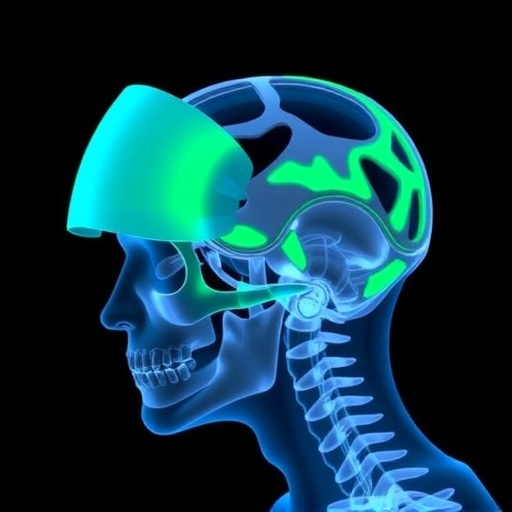
Recent advancements in the realm of healthcare technology have led to groundbreaking innovations that reshape the paradigms of patient treatment and rehabilitation. Among these, the introduction of personalized 3D printed medical devices stands out as a front-runner. A pivotal study led by Shi et al. introduces a novel concept: a personalized 3D printed cranial shield utilizing mirror-image modeling. This revolutionary technology aims to enhance cranial injury treatment by offering bespoke solutions tailored to individual patient needs.
The application of 3D printing in medicine, particularly in the development of cranial shields, marks a significant leap in customization and adaptability. Traditional methods of creating protective headgear have often relied on generic templates that do not account for the unique anatomical characteristics of each patient. This oversight can lead to discomfort, suboptimal protection, and a host of other complications that can impede recovery. The research conducted by Shi and his colleagues addresses these concerns head-on by employing mirror-image modeling techniques to create perfectly contoured cranial shields.
Mirror-image modeling is a concept rooted in the principles of symmetry and precision. This approach allows for the replication of cranial structures with remarkable accuracy. By utilizing imaging techniques such as CT scans or MRIs, clinicians can capture the intricate details of a patient’s skull. These images are then processed through advanced software that facilitates the creation of a digital model. This model serves as a blueprint for the 3D printer, ensuring that the final product meticulously mirrors the original anatomy. The precision of this method directly translates to improved fitting and enhanced protection.
The personalized 3D printed cranial shields developed in this study are not merely functional; they also emphasize patient comfort and aesthetic appeal. The researchers explored various materials to produce shields that are lightweight yet robust, offering a balance that is paramount for patients in recovery. By individualizing the production process, the research team is paving the way for devices that can be both protective and cosmetically acceptable, minimizing the psychosocial impacts associated with cranial injuries.
In clinical assessments conducted as part of the research, the effectiveness and functionality of the personalized cranial shields were closely monitored. Patients who received these specially designed products reported significant improvements in comfort and mobility compared to those fitted with traditional cranial protection. This is particularly crucial for individuals recovering from trauma, as optimal comfort can drastically influence their overall experience and rehabilitation outcomes.
Moreover, the implications of this study extend beyond cranial protection; they suggest a broader application of 3D printing technology in various fields of medicine. The ability to customize medical devices according to patient-specific requirements opens up new avenues for treatment across numerous disciplines, from orthopedic devices to dental implants. The shift towards personalized medicine illustrates a growing trend where patient-centered solutions take precedence over one-size-fits-all approaches.
The study also delves into the technological side of 3D printing, highlighting the advancements in printing techniques and materials that have made these innovations possible. Biocompatible plastics and advanced composites are now at the forefront of 3D printing technology, allowing for both durability and safety in the creation of medical devices. This technical progression empowers healthcare providers to think outside the box and tailor their services to meet the specific needs of their patients.
In summary, the personalized 3D printed cranial shield designed through mirror-image modeling heralds a new era in patient care. By improving comfort, safety, and aesthetics, this innovation has the potential to revolutionize how cranial injuries are treated. The study led by Shi and his team serves as a critical reference point for future research in this domain, exemplifying how combining technology with personalized medicine can change the face of healthcare.
As the healthcare landscape continues to evolve, studies like this underscore the importance of innovation in improving patient outcomes. By leveraging modern technologies, medical professionals can offer solutions that are not only effective but also respectful of the individual’s unique needs. This advancement not only showcases the potential of 3D printing in medicine but also sets a precedent for future developments in customized medical devices.
The combination of technology, patient-centric design, and rigorous clinical evaluation forms the backbone of this groundbreaking research. It is a promising illustration of how meticulous attention to detail can lead to significant strides in medical technology. As the field progresses, the ongoing exploration of personalized 3D printing techniques will likely yield further advancements that enhance recovery and improve the quality of life for patients across the globe.
In conclusion, Shi et al.’s work on personalized 3D printed cranial shields stands as a significant milestone in the ongoing pursuit of individualized patient care. The meticulous process of mirror-image modeling not only enhances the physical aspects of the cranial shield but also embodies a philosophy that prioritizes patient comfort and safety. With the potential to expand this technology’s application across different medical fields, the future of personalized medicine looks brighter than ever.
The implications of this study are far-reaching, promising a future where medical devices can be tailored at an unprecedented level to fit the anatomical and physiological requirements of individual patients. This leap towards customized care epitomizes the fusion of technology and medicine, which is crucial for fostering innovations that resonate with patient needs and improve health outcomes. With every advancement, we are reminded of the infinite possibilities that lie at the intersection of technology and human health, inviting continued exploration and innovation in the years to come.
Subject of Research: Personalized 3D Printed Cranial Shields
Article Title: A personalized 3D printed cranial shield using mirror-image modeling: design and clinical assessment.
Article References:
Shi, Z., Yuan, Z., Chen, J. et al. A personalized 3D printed cranial shield using mirror-image modeling: design and clinical assessment.
3D Print Med 11, 32 (2025). https://doi.org/10.1186/s41205-025-00289-4
Image Credits: AI Generated
DOI: https://doi.org/10.1186/s41205-025-00289-4
Keywords: Personalized medicine, 3D printing, cranial shields, mirror-image modeling, biomaterials, patient comfort.
Tags: 3D printing applications in rehabilitationadvancements in healthcare technologyanatomical customization in medical devicescustom 3D printed medical devicesenhancing comfort in medical protective gearimaging techniques for patient-specific solutionsinnovative protective headgear for patientsmirror-image modeling in medicineovercoming limitations of traditional headgearpersonalized cranial shield designprecision in cranial structure replicationtailored solutions for cranial injury treatment



