Curcumin, a polyphenolic compound found in turmeric, has been making waves in the world of medicinal research, particularly in the context of gastrointestinal health. The recent systematic review and meta-analysis conducted by a team of researchers, including Yeerong, Inpan, and Aisara, focuses on the therapeutic effects of curcumin specifically on upper gastrointestinal diseases. This comprehensive study consolidates findings from various animal studies, providing a detailed analysis that may pave the way for significant advancements in gastrointestinal treatment protocols.
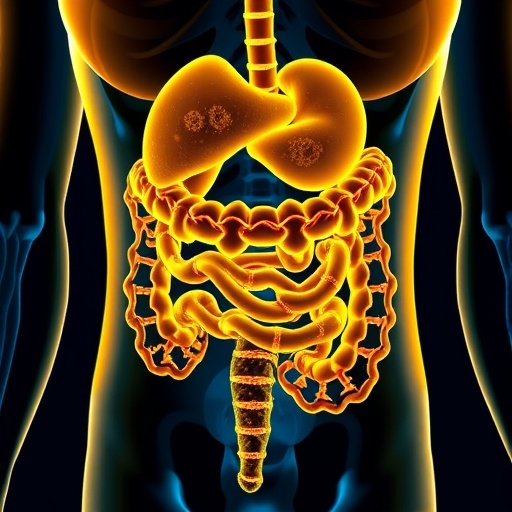
Upper gastrointestinal diseases encompass a broad spectrum of disorders, including gastric ulcers, gastroesophageal reflux disease (GERD), and even cancers of the upper gastrointestinal tract. The impact these conditions have on millions worldwide cannot be understated, leading to a surge in research aimed at identifying effective therapeutic agents. Among the many candidates, curcumin has shown promise due to its anti-inflammatory, antioxidant, and anti-cancer properties.
In this rigorous review, the authors meticulously evaluated numerous animal studies, highlighting curcumin’s effects on gastrointestinal health. Researchers found that curcumin exhibits a protective effect on the gastric lining, potentially preventing the formation of ulcers and promoting the healing of existing lesions. This protection is largely attributed to curcumin’s ability to modulate inflammatory pathways and enhance mucin secretion, which is crucial for maintaining gastric mucosa integrity.
Furthermore, curcumin appears to play a role in inhibiting the proliferation of gastric cancer cells. By targeting various molecular pathways associated with cell growth, curcumin not only curtails the spread of cancerous cells but also induces apoptosis, or programmed cell death, which is a vital process for eliminating unwanted cells. The implications of these findings could be monumental for patients diagnosed with early-stage gastritis or precancerous conditions, who are in dire need of effective treatments.
The meta-analysis included in this study applied advanced statistical techniques to synthesize results from several smaller animal studies, enabling the researchers to draw more robust conclusions regarding curcumin’s efficacy. By aggregating data, they provided a clearer picture of curcumin’s overall benefits and limitations, presenting a compelling case for further exploration in clinical settings.
Despite the promising outcomes of animal studies, the transition from animal models to human trials remains a crucial step in affirming curcumin’s therapeutic potential. The bioavailability of curcumin poses a significant challenge; it is often metabolized and excreted quickly, leading to suboptimal concentrations in systemic circulation. Researchers are actively investigating various formulations and delivery mechanisms to enhance curcumin’s absorption, such as co-administration with piperine, an alkaloid found in black pepper that significantly increases curcumin’s bioavailability.
Several preclinical studies have indicated that curcumin’s influence on gut microbiota might also contribute to its therapeutic effects. A balanced gut microbiome is crucial for digestive health and immune function. Curcumin has been shown to have prebiotic properties, promoting the growth of beneficial bacteria while inhibiting harmful strains. This dual action not only enhances gut health but may also provide a novel approach to treating gastrointestinal disorders linked with dysbiosis.
Furthermore, the researchers underscored the importance of dosage and treatment duration in achieving optimum results. Most studies reviewed administered curcumin at varying doses, highlighting the need for standardized treatment protocols. As curcumin therapy progresses to human clinical trials, establishing the ideal dosage and treatment timeline will be pivotal factors in achieving desired clinical outcomes.
In addition, this review brings attention to the adverse effects associated with curcumin consumption. While generally regarded as safe, excessive intake of curcumin may lead to gastrointestinal disturbances such as nausea, diarrhea, and even abdominal discomfort. Highlighting these potential side effects is crucial for clinicians when considering curcumin as a therapeutic option for gastrointestinal disorders.
The research community has an obligation to continue exploring the full pharmacological potential of curcumin. As the findings from Yeerong and colleagues illustrate, concerted efforts to overcome curcumin’s limitations in bioavailability, along with a thorough understanding of its mechanisms of action, could open new avenues in the fight against upper gastrointestinal diseases.
As we advance toward a more personalized approach in medicine, the integration of natural compounds like curcumin into treatment regimens could reflect a significant paradigm shift. In patients who traditionally rely on pharmaceutical interventions, incorporating supplementary therapies may optimize health outcomes, reduce dependency on medications, and ultimately improve quality of life.
The evidence presented in this systematic review serves as a foundational cornerstone for future research, beckoning scientists and clinicians alike to delve deeper into the promising realm of curcumin and its potential role in upper gastrointestinal health. Continued research could lead to groundbreaking advancements that benefit countless individuals affected by these debilitating conditions.
Ultimately, the systematic review and meta-analysis showcasing the therapeutic effects of curcumin not only underscores the importance of this compound but also serves as a call to action for researchers eager to unveil its mysteries. With ongoing investigation, curcumin may very well transition from a traditional remedy to a quintessential tool in modern gastrointestinal therapy, promising hope for those grappling with upper gastrointestinal diseases.
As the scientific community continues to unravel the complexities of curcumin and its impact on upper gastrointestinal diseases, a future that embraces integrative approaches to health becomes ever more tangible. Through collaboration, innovation, and diligent study, researchers can unlock the potential of curcumin, ultimately transforming the landscape of gastrointestinal treatment.
In conclusion, the findings of Yeerong et al. send a clear message: the therapeutic potential of curcumin in upper gastrointestinal diseases warrants serious consideration. As research progresses, the world may soon witness a new chapter in the understanding and management of gastrointestinal diseases, carved by the vibrant and multifaceted compound that is curcumin.
Subject of Research: Therapeutic effects of curcumin on upper gastrointestinal diseases
Article Title: Therapeutic effects of curcumin on upper gastrointestinal diseases: a systematic review and meta-analysis of animal studies
Article References: Yeerong, K., Inpan, R., Aisara, J. et al. Therapeutic effects of curcumin on upper gastrointestinal diseases: a systematic review and meta-analysis of animal studies.
BMC Complement Med Ther (2025). https://doi.org/10.1186/s12906-025-05175-4
Image Credits: AI Generated
DOI: 10.1186/s12906-025-05175-4
Keywords: curcumin, upper gastrointestinal diseases, systematic review, meta-analysis, gastrointestinal health, inflammation, cancer, bioavailability, gut microbiota.
Tags: animal studies on curcumin efficacyanti-inflammatory properties of curcumincurcumin and upper GI cancerscurcumin as a natural remedy for GI disorderscurcumin benefits for gastrointestinal healthcurcumin in gastric ulcer treatmentcurcumin’s antioxidant effectscurcumin’s role in mucin secretion enhancementgastroesophageal reflux disease and curcuminprotective effects of curcumin on gastric liningtherapeutic effects of curcumin on upper GI diseases