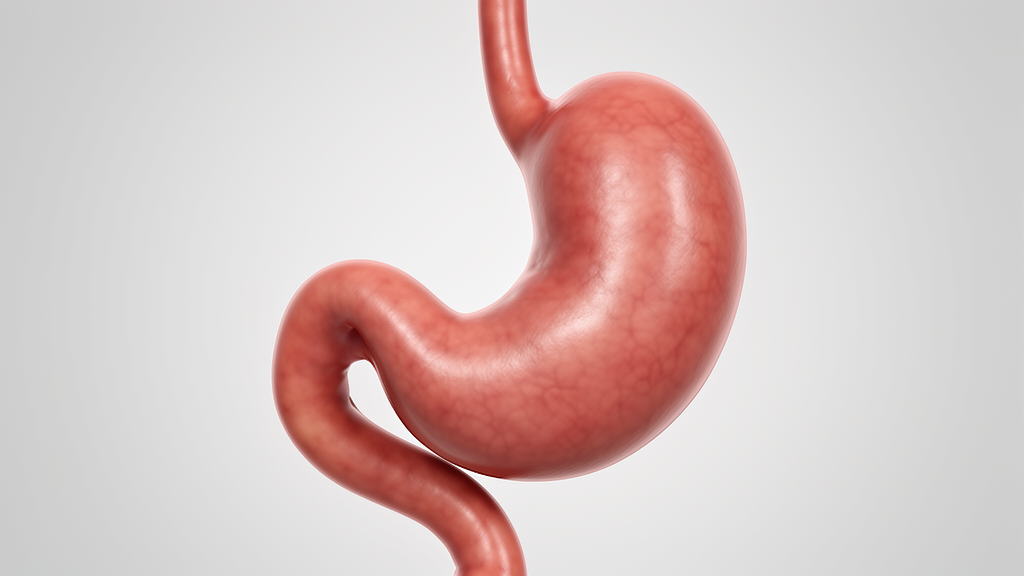
In a retrospective multicenter study investigating acute gastric volvulus, researchers found that every evaluated patient presented computed tomography findings consistent with a pathophysiological mechanism known as the back-and-forth stomach. The study, published in BMC Medical Imaging, examined clinical and radiological records from adult patients with previously documented hiatal hernias to characterize this uncommon condition and identify potential markers of disease severity.
The concept of the back-and-forth stomach was recently proposed to describe a distinct pathophysiological process underlying this mechanical twisting. By reviewing multicenter cases with prior imaging evidence of hiatal hernias, the investigation sought to further support this mechanism and evaluate factors linked to the development of secondary radiological complications.
The observational cohort comprised twenty adult patients, of whom fifty-five percent were women. The participants presented with a mean age of 71.90 years, with a standard deviation of 13.41 years, and an overall median age of 73.50 years. Across all twenty cases, imaging evaluations demonstrated mesenteroaxial rotation, with independent reviewing radiologists achieving one hundred percent interobserver agreement regarding the presence of computed tomography features indicating the proposed back-and-forth mechanism.
Cross-sectional and barium imaging established the baseline anatomy of pre-existing hiatal hernias among patients with available classification data. The most common anatomical subtype identified was the Type IV upside-down stomach, noted in seven of twelve categorized individuals, representing 58.3 percent of that subgroup and 35 percent of the total study population. The remaining five categorized patients, representing 41.7 percent of the subgroup and 25 percent overall, had Type I sliding hernias.
Epigastric pain was universally reported, affecting all twenty participants in the study. In addition to localized pain, systemic inflammatory signs were prominent, with laboratory evaluations documenting leukocytosis in fifteen patients, or 75 percent of the group.
Radiological complications occurred in ten patients, representing exactly fifty percent of the cohort. Bivariate statistical analysis revealed that prolonged symptom duration prior to clinical presentation was significantly associated with these complications. Specifically, symptoms lasting twenty-four hours or longer correlated with an increased likelihood of radiological complications, yielding an odds ratio of 30.33, a ninety-five percent confidence interval of 1.39 to 660.79, and a p-value of 0.011.
The study also monitored clinical outcomes during hospitalization and extended surveillance periods. Acute gastric volvulus directly accounted for an in-hospital mortality rate of twenty percent, representing four deaths during the index admission. Over subsequent observation, one additional patient, or five percent, died following a volvulus recurrence at three months post-discharge, while three patients died of unrelated causes during long-term follow-up, resulting in a cumulative all-cause mortality rate of forty percent.
The investigators noted that recognizing computed tomography features of the back-and-forth stomach may improve timely diagnosis and assist clinicians in differentiating acute volvulus from uncomplicated large hiatal hernias. However, the authors emphasized several methodological constraints, noting that the retrospective design and modest cohort of twenty patients limit broader statistical inferences. Consequently, the reported findings remain exploratory and warrant subsequent validation through prospective investigations involving larger patient cohorts.
Subject of Research: Computed tomography imaging and clinical characteristics of acute gastric volvulus
Article Title: Imaging insights on acute gastric volvulus: the back-and-forth stomach – a multicenter case series study
Article References: Martínez de Mandojana Hernán, A., Luengo Gómez, D., Rabadán Caravaca, M. D., Garrido Sanz, F., Márquez Pérez, V., & Láinez Ramos-Bossini, A. J. (2026). Imaging insights on acute gastric volvulus: the back-and-forth stomach – a multicenter case series study. BMC Medical Imaging. https://doi.org/10.1186/s12880-026-03047-y
Image Credits: AI Generated
DOI: 10.1186/s12880-026-03047-y
Keywords: acute gastric volvulus, back-and-forth stomach, hiatal hernia, computed tomography, mesenteroaxial rotation, radiological complications, epigastric pain, leukocytosis, Type IV upside-down stomach, Type I sliding hernia, in-hospital mortality, barium imaging, interobserver agreement, symptom duration, retrospective case series, BMC Medical Imaging
News Source: Ophelia Keating. (November 25, 2026). CT Features Support Back-and-Forth Stomach Mechanism in Exploratory Volvulus Study. Scienmag.