Credit: UT Southwestern
DALLAS – Dec. 13, 2016 – A team of scientists at the Children's Medical Center Research Institute at UT Southwestern (CRI) discovered a new bone-forming growth factor, Osteolectin (Clec11a), which reverses osteoporosis in mice and has implications for regenerative medicine.
Although Osteolectin is known to be made by certain bone marrow and bone cells, CRI researchers are the first to show Osteolectin promotes the formation of new bone from skeletal stem cells in the bone marrow. The study, published in eLife, also found that deletion of Osteolectin in mice causes accelerated bone loss during adulthood and symptoms of osteoporosis, such as reduced bone strength and delayed fracture healing.
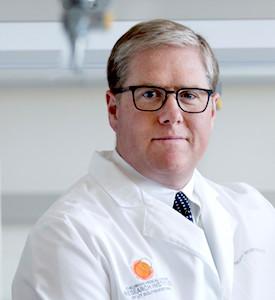
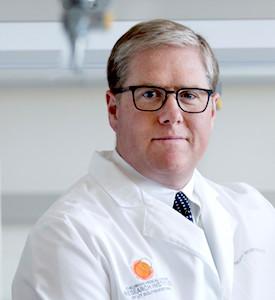
"These results demonstrate the important role Osteolectin plays in new bone formation and maintaining adult bone mass. This study opens up the possibility of using this growth factor to treat diseases like osteoporosis," said Dr. Sean Morrison, who led the team that made the discovery. Dr. Morrison, CRI Director, holds the Mary McDermott Cook Chair in Pediatric Genetics at UT Southwestern Medical Center, and the Kathryne and Gene Bishop Distinguished Chair in Pediatric Research at Children's Research Institute at UT Southwestern.
Osteoporosis, a progressive bone disease characterized by decreased bone mass and an increase in fractures, affects over 200 million people worldwide. Most existing therapies such as bisphosphonate drugs reduce the rate of bone loss, but they do not promote new bone growth. Teriparatide (PTH) is the only agent currently approved for the formation of new bone, but its use is limited to two years due to a potential risk of osteosarcoma.
To determine whether treatment with Osteolectin could reverse bone loss after the onset of osteoporosis, the CRI research team used mice that had their ovaries removed to model the type of osteoporosis that develops in postmenopausal women. Mice were given daily injections of PTH or recombinant Osteolectin. The study found that both recombinant Osteolectin- and PTH-treated mice had significantly increased bone volume compared to untreated mice. Both treatments effectively reversed the bone loss that occurred after the removal of the ovaries.
"These early results are encouraging, suggesting Osteolectin might one day be a useful therapeutic option for osteoporosis and in regenerative medicine," said Dr. Morrison, also a Professor of Pediatrics at UT Southwestern, a CPRIT Scholar in Cancer Research, and a Howard Hughes Medical Institute Investigator.
Researchers in the Hamon Laboratory for Stem Cell and Cancer Biology, of which Dr. Morrison is the principal investigator, plan to further test Osteolectin's therapeutic potential and to identify the receptor for Osteolectin, which is key to understanding the signaling mechanisms the protein uses to promote osteogenesis.
###
The study's authors are Dr. Rui Yue and Dr. Bo Shen, both postdoctoral researchers at CRI. The project was supported by the Cancer Prevention and Research Institute of Texas (CPRIT) and donors to the Children's Medical Center Foundation.
About CRI
Children's Medical Center Research Institute at UT Southwestern (CRI) is a joint venture of UT Southwestern Medical Center and Children's Medical Center, the flagship hospital of Children's Health. CRI's mission is to perform transformative biomedical research to better understand the biological basis of disease. Located in Dallas, Texas, CRI is home to interdisciplinary groups of scientists and physicians pursuing research at the interface of regenerative medicine, cancer biology and metabolism. For more information visit: cri.utsw.edu. To support CRI visit: give.childrens.com/about-us/why-help/cri/.
Media Contact
Katie Regan
[email protected]
214-648-2378
@UTSWNews
http://www.swmed.edu