


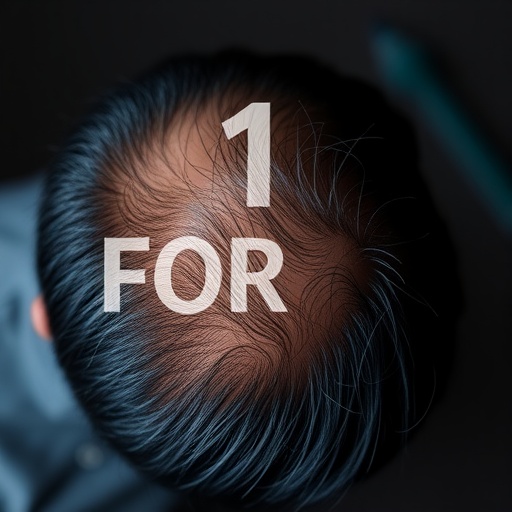
In a groundbreaking study published in the Archives of Dermatological Research, researchers examine the intricate relationship between severe COVID-19 infections and telogen effluvium, a form of hair loss characterized by the shedding of hair after a significant physiological stressor. The study, conducted by leading dermatologists S. Patel and M. Colavincenzo, presents alarming evidence regarding the heightened susceptibility to hair loss subsequent to COVID-19, asserting the necessity for increased awareness and understanding of this condition among both healthcare providers and patients.
Telogen effluvium, an often temporary condition, arises when a significant stressor compels a large number of hair follicles to enter the telogen, or resting phase, which typically lasts 2 to 3 months before shedding occurs. The stressors may be physical, emotional, or environmental, and in light of recent global health crises, there has been a discernible uptick in cases correlating with severe respiratory illnesses including COVID-19. Hence, the present study seeks to quantify and elucidate these findings.
The retrospective cohort study analyzed a broad range of patients diagnosed with severe COVID-19 from multiple health facilities. Researchers meticulously combed through individual histories, purposefully isolating cases exhibiting hair loss symptoms alongside their battle with COVID-19. This comprehensive approach ensures that the findings accurately represent the correlation between the viral infection and subsequent hair loss trends.
What truly sets this study apart is its rigorous methodology. By employing a control group of individuals who experienced mild COVID-19 symptoms and contrasting their data with those who suffered from severe cases, the researchers were able to map distinct patterns of hair loss prevalence. The statistical significance of their findings not only reinforces previous theoretical frameworks but also expands upon them, creating a clearer picture of the underlying physiological mechanisms at play.
Among the myriad symptoms associated with COVID-19, hair loss has often hovered in the background, dismissed as a mere inconvenience amidst life-threatening complications. However, the findings from Patel and Colavincenzo’s research compel both clinicians and researchers to address this issue head-on. In their cohort, a striking percentage of individuals with severe COVID-19 reported noticeable hair loss within weeks of hospitalization, shining a much-needed spotlight on an often-ignored condition.
The underlying biological mechanism potentially responsible for increased telogen effluvium in post-COVID patients is multifaceted. Immune response to severe viral infections is known to be complex and can generate a cascade of reactions throughout the body. Cytokine storms, triggered by the body’s hyperactive immune response, could conceivable disrupt the hair growth cycle, leading to accelerated hair follicle exhaustion and subsequent shedding.
Moreover, the psychological toll that severe illness takes on individuals cannot be overstated. With emotional stress latent during recovery from severe illness potentially aggravating hair loss conditions, evaluating mental health is paramount in the continuum of care for these individuals. Recognizing that both physical and psychological stressors are wreaking havoc on the hair follicles of recovering COVID-19 patients emphasizes the importance of comprehensive healthcare approaches.
The study also addresses potential disparities in hair loss incidence across demographics. Preliminary data suggests a notable variance in susceptibility based on gender, age, and possibly ethnicity. These variances highlight the importance of personalized treatment strategies and the need for further studies that delve deeper into the sociocultural factors influencing health outcomes in post-COVID scenarios.
In light of these findings, the researchers advocate for healthcare providers to incorporate hair loss as a significant concern within the spectrum of post-COVID care. Educational initiatives aimed at increasing awareness among both patients and clinicians regarding potential hair loss risks could foster a proactive approach to managing and treating hair conditions following COVID-19.
Preventative measures and early interventions may serve as vital tools in mitigating hair loss severity among affected individuals. Further research is necessary, particularly randomized controlled trials aimed at evaluating various therapeutic options, including topical treatments and dietary adjustments. The existing body of evidence could thereby guide nuanced clinical recommendations.
As the global populace continues to grapple with the long-lasting effects of the COVID-19 pandemic, understanding secondary complications such as telogen effluvium becomes crucial in the post-infection landscape. Not only does this research provide empirical evidence to inform medical guidelines, but it also offers a glimmer of hope for individuals experiencing anxiety over their appearance and hair loss during recovery.
Given the increasing understanding of the virus’s impact on various health conditions, Patel and Colavincenzo’s work underscores a paradigm shift in how we perceive viral infections. As COVID-19 continues to unveil its multi-faceted nature, the interplay between our immune responses, psychological factors, and overall health becomes increasingly apparent.
In conclusion, the findings of Patel and Colavincenzo’s study serve as a crucial wake-up call for the medical community. While hair loss may seem like a trivial concern in the shadow of a pandemic, its psychological and emotional ramifications are far-reaching, demanding comprehensive attention from healthcare professionals worldwide. Their research not only opens new avenues for exploration but also emphasizes the importance of holistic care in post-COVID recovery strategies.
Ultimately, as we seek to recover and adapt to a post-pandemic world, addressing the multifaceted health issues that arise from COVID-19, including the often distressing experience of hair loss, must be a priority on the healthcare agenda.
Subject of Research: The relationship between severe COVID-19 infection and telogen effluvium (hair loss).
Article Title: Greater susceptibility to telogen effluvium in the setting of severe COVID-19 infection: findings from a retrospective cohort study.
Article References:
Patel, S., Colavincenzo, M. Greater susceptibility to telogen effluvium in the setting of severe COVID-19 infection: findings from a retrospective cohort study.
Arch Dermatol Res 318, 52 (2026). https://doi.org/10.1007/s00403-025-04490-7
Image Credits: AI Generated
DOI: 10 January 2026
Keywords: Telogen Effluvium, COVID-19, Hair Loss, Immune Response, Cytokine Storms, Mental Health, Retrospective Cohort, Dermatology
Tags: COVID-19 hair loss connectionCOVID-19 related health issuesdermatological research on COVID-19hair loss awareness in healthcareimpact of COVID-19 on hair folliclesincreased hair shedding during pandemicsphysiological stress and hair lossretrospective cohort study on hair losssevere COVID-19 and hair sheddingtelogen effluvium after COVIDtemporary hair loss conditionsunderstanding hair loss post-illness



