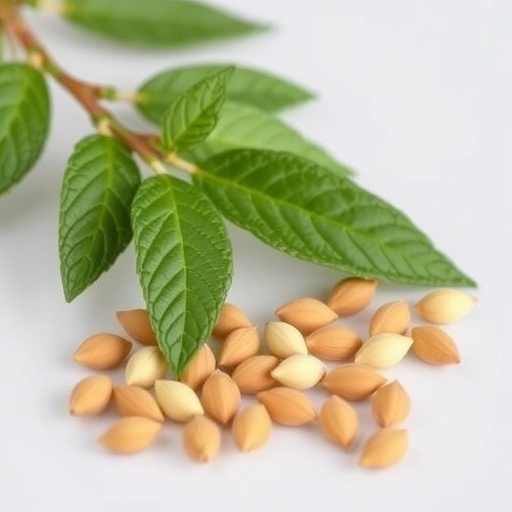
In a groundbreaking advancement for natural antiviral therapies, recent research has illuminated the potent antiviral properties of cardamom seed extract, primarily mediated through the enhancement of type I interferon production. This study, spearheaded by Dr. Abdullah Al Sufian Shuvo and colleagues at Shinshu University in Japan, elucidates the intricate biochemical pathways through which compounds found in cardamom seeds trigger cellular antiviral defenses.
For centuries, plant-based remedies have served as invaluable sources for combating viral infections, yet the molecular mechanisms underlying their efficacy have often remained elusive. Traditionally used spices like cardamom, known scientifically as Elettaria cardamomum, have long been appreciated for their aromatic qualities. However, this new research reveals that components extracted from cardamom seeds exert significant immunomodulatory effects, particularly on innate immune signaling pathways that govern antiviral responses.
The focal compound identified in the cardamom seed extract is 1,8-cineole, a monoterpene with well-documented pharmacological attributes. In vitro experiments conducted on human A549 lung epithelial cells demonstrated that treatment with cardamom extract or purified 1,8-cineole markedly enhances the activation of intracellular nucleic acid sensors. These sensors serve a critical role in detecting viral genetic materials—such as viral RNA or DNA—thereby acting as sentinels that provoke downstream immune signaling.
Upon activation by the bioactive molecules in the extract, these nucleic acid sensors initiate a cascade culminating in the robust secretion of type I interferons. Type I interferons, a group of cytokines pivotal in antiviral immunity, orchestrate the cellular antiviral state by upregulating hundreds of interferon-stimulated genes (ISGs) that inhibit viral replication and promote immune cell activation. This pathway represents a foundational mechanism of host defense against a broad spectrum of RNA and DNA viruses.
The research team meticulously replicated viral infection models by simulating viral entry and nucleic acid exposure in cultured A549 cells. They observed that the administration of cardamom seed extract prior to viral mimic exposure significantly potentiated interferon production compared to controls. This suggests that the natural compounds prime the immune system via intracellular pattern recognition receptors (PRRs), enhancing responsiveness to viral invasion.
Intriguingly, this study also builds upon prior findings from the same group, which demonstrated the inhibitory effects of cardamom extract on influenza viruses. Expanding this knowledge base, the current investigation delves into the molecular interplay between 1,8-cineole and host cell nucleic acid sensors such as RIG-I, MDA5, and cGAS, revealing a sophisticated modulation of innate immune pathways that can be therapeutically exploited.
Dr. Takeshi Kawahara, co-leader of the project, articulated the broader implications of their discoveries. Despite cardamom’s longstanding role in traditional medicine, the identification of its capacity to activate antiviral cytokine production opens new horizons for its utilization. It positions cardamom-derived compounds as promising candidates for integrative antiviral agents, contributing to the arsenal against existing and emerging viral pathogens.
This research holds particular significance in the context of the recent global awareness of viral pandemics, such as COVID-19, which have highlighted the urgent necessity for accessible and effective antiviral strategies. The pandemic has consequently galvanized research into food-derived bioactives with medicinal potential, and this study epitomizes such an effort, merging ethnobotanical knowledge with cutting-edge immunological insights.
Beyond the direct antiviral effects, the immunomodulatory prowess of cardamom seed extract could have a pivotal role in preventive medicine. Regular dietary inclusion or formulation into therapeutic supplements might enhance mucosal immunity and systemic viral resistance. The extract’s mechanism of augmenting intracellular nucleic acid sensing pathways suggests broad-spectrum applicability against multiple virus families.
Technologically, the study employed rigorous biochemical assays to quantify interferon secretion and gene expression profiles post-treatment. Advanced molecular techniques, including quantitative RT-PCR and ELISA, were utilized to monitor cytokine levels, confirming the specificity and potency of the interferon response induced by the extract and its active constituents.
The findings underscore an essential principle in antiviral research: leveraging host innate immunity rather than exclusively direct antiviral compounds. Cardamom seed extract does not merely inhibit viral particles; it empowers the host’s own cellular machinery to detect and counteract viral genomes more effectively. This paradigm reinforces the therapeutic potential of immunostimulatory botanicals.
Future research directions include clinical trials to evaluate the safety, bioavailability, and efficacy of cardamom extract formulations in human populations. Detailed pharmacodynamic studies can elucidate optimal dosing regimens and synergistic combinations with existing antiviral drugs. Furthermore, ongoing studies may reveal additional bioactive molecules within cardamom contributing to this multifaceted antiviral effect.
In summation, this pioneering work not only revives interest in a historically significant spice but also paves the way for novel antiviral interventions grounded in natural product chemistry and immunology. By enhancing endogenous type I interferon pathways through intracellular nucleic acid sensor regulation, cardamom seed extract emerges as a promising candidate for preventing and mitigating viral infections, heralding a new chapter in food-based antiviral therapeutics.
Subject of Research: Cells
Article Title: Type I Interferon-Enhancing Effect of Cardamom Seed Extract via Intracellular Nucleic Acid Sensor Regulation
News Publication Date: 6-Aug-2025
Web References:
DOI: 10.3390/foods14152744
Image Credits: Abdullah Al Sufian Shuvo from Shinshu University, Japan
Keywords
Type I interferons, Antivirals, Food science, Food chemistry, Cells
Tags: 18-cineole monoterpene benefitsantiviral response mechanismscardamom seed antiviral propertiesDr. Abdullah Al Sufian Shuvo researchElettaria cardamomum medicinal usesimmunomodulatory effects of spicesinnate immune signaling pathwaysintracellular nucleic acid sensors activationnatural antiviral therapiesplant-based remedies for viral infectionsShinshu University cardamom studytype I interferon enhancement