In a groundbreaking study published in BMC Nursing, researchers have delved deep into the critical competencies required by operating room nurses working in maritime disaster emergency medical teams. The study, led by Peng and colleagues, employs the Iceberg Model as a framework to explore the essential skills, knowledge, and attributes that underpin effective nursing practice under the extreme conditions of maritime disasters. As natural disasters continue to escalate in severity and frequency due to climate change and other global factors, the role of healthcare providers in emergency settings becomes increasingly vital. This research not only highlights the profound challenges faced by nurses but also emphasizes the need for specialized training and resources to equip them for such high-pressure environments.
Operating room nurses, often seen as the backbone of surgical care, are tasked with ensuring patient safety and facilitating surgical procedures. However, when it comes to maritime disasters, their responsibilities can extend beyond traditional roles. The research team conducted a qualitative study involving interviews and focus groups with seasoned nurses working in these high-stakes scenarios. The findings underscore that the competencies expected from these professionals often reside beneath the surface, much like an iceberg. While technical skills are visible, many critical competencies, such as decision-making under pressure, emotional resilience, teamwork, and communication, are less apparent but equally essential.
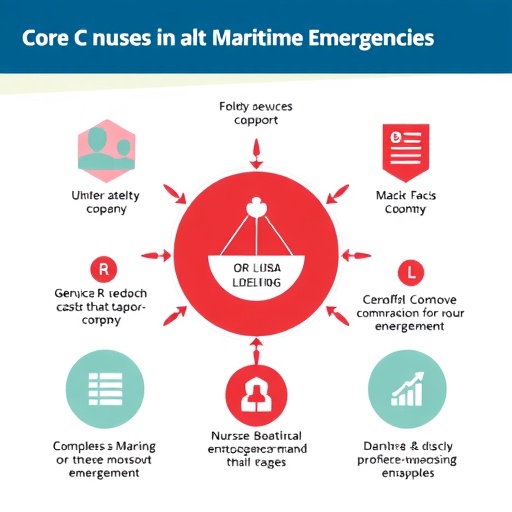
The Iceberg Model serves as an apt metaphor to convey the dichotomy between visible and hidden competencies. The visible part of the iceberg, which is above the waterline, represents the technical skills and knowledge that can be easily observed and measured. This includes proficiency in surgical instruments, adherence to sterilization protocols, and knowledge of pharmacology. Conversely, the submerged portion, which constitutes the bulk of the iceberg, symbolizes the soft skills that are often undervalued in healthcare settings. These include the ability to manage stress, maintain emotional stability, demonstrate empathy, and function effectively within a team—all of which are crucial during maritime emergencies.
One of the critical revelations of the study is the recognition that traditional medical training often fails to adequately prepare nurses for the multifaceted challenges posed by maritime disasters. The unpredictable nature of such events often requires adaptability and quick thinking that are not typically part of conventional nursing curricula. This gap in training highlights the urgent need for specialized programs that focus on disaster preparedness, risk assessment, and emergency response in maritime contexts. The research suggests that educators and policymakers must reassess nursing education models to integrate these competencies into the curricula, ensuring future nurses are better equipped for disaster scenarios.
The qualitative study took a unique approach by not only gathering data from operating room nurses but also engaging with other stakeholders involved in maritime disaster response. This interdisciplinary perspective informed a more holistic understanding of the operational dynamics and interdependencies present in emergency medical teams. By involving various actors, including surgeons, paramedics, and logistical coordinators, the researchers aimed to create a comprehensive competency framework that reflects the complex nature of disaster response. This collaborative approach ensures that the resulting findings are relevant and actionable for a wide range of healthcare professionals.
Additionally, the study’s focus on emotional intelligence and interpersonal skills emerged as a significant theme. In high-stress environments like maritime disasters, the ability to communicate effectively with team members and patients can have a direct impact on operational success and patient outcomes. Nurses must often act as liaisons between different healthcare providers and must possess the skills necessary to facilitate communication across diverse professional backgrounds. Developing these competencies can enhance team cohesion and ultimately improve the quality of care provided in emergency settings.
The implications of this research extend well beyond the specific context of maritime disasters. The essential competencies identified by the study resonate with the broader field of healthcare, where the ability to function in high-stress situations is increasingly critical. As healthcare systems worldwide face mounting pressures from pandemics, natural disasters, and increasing patient loads, understanding how to cultivate these hidden competencies within nursing roles is of paramount importance. The findings advocate for a paradigm shift in how nursing competencies are defined and assessed, promoting a more comprehensive approach to healthcare education and practice.
Moving forward, the research team envisions the development of competency-based training modules that would not only target the technical skills required for operating room procedures but also integrate soft skills essential for emergency response. This dual-focus training could serve to better prepare nurses for the realities they will face on the frontline of healthcare, particularly in disaster scenarios. As the research highlights, there is no one-size-fits-all solution, and training must be adaptable to the specific demands encountered in various emergency contexts.
Moreover, the study calls for increased collaboration between academic institutions, healthcare organizations, and emergency management agencies. Such partnerships can foster a more integrated approach to disaster preparedness training, ensuring that nurses are well-prepared to handle the complexities of maritime or any other disasters. By pooling resources and expertise, these collaborations can support the development of evidence-based training programs that align with the competencies identified in this research, ultimately benefiting the nurses and the patients they serve.
In conclusion, the study by Peng and colleagues sheds light on the often-overlooked competencies vital for effective nursing practice in maritime disaster responses. By employing the Iceberg Model, the researchers have successfully illustrated the need for a comprehensive understanding of both visible and hidden skills. As the healthcare landscape continues to evolve in response to global challenges, it becomes increasingly crucial to equip nurses with the competencies necessary to thrive in demanding environments. This research is a salient reminder that in emergency medical response, the success of operations is often driven not just by what is seen but also by the deep-seated skills that lie beneath the surface.
In the world of nursing, where the stakes are high and the environments are unpredictable, continuous reflection and adaptation of training programs are essential. As this groundbreaking study illustrates, the future of nursing in emergency contexts depends on our ability to recognize and nurture the full spectrum of competencies required for success. It is time for the nursing community to embrace this challenge, fostering a culture of resilience, adaptability, and collaboration that would ultimately lead to better outcomes for all in times of crisis.
Subject of Research: Core competencies of operating room nurses in maritime disaster emergency medical teams.
Article Title: Exploring the core competencies of operating room nurses in the maritime disaster emergency medical teams based on the Iceberg Model: a qualitative study.
Article References:
Peng, Y., Yan, L., Guo, C. et al. Exploring the core competencies of operating room nurses in the maritime disaster emergency medical teams based on the Iceberg Model: a qualitative study. BMC Nurs 24, 1482 (2025). https://doi.org/10.1186/s12912-025-03969-y
Image Credits: AI Generated
DOI: https://doi.org/10.1186/s12912-025-03969-y
Keywords: Core competencies, operating room nurses, maritime disasters, emergency medical teams, Iceberg Model, qualitative study, nursing education, disaster preparedness.
Tags: challenges faced by emergency nursesclimate change and healthcarecore competencies of operating room nurseshigh-pressure nursing environmentsIceberg Model in nursingmaritime emergency medical teamsnursing practice in disasterspatient safety in maritime disastersqualitative study on nursing competenciesroles of nurses in emergenciesspecialized training for nursessurgical care in disaster scenarios