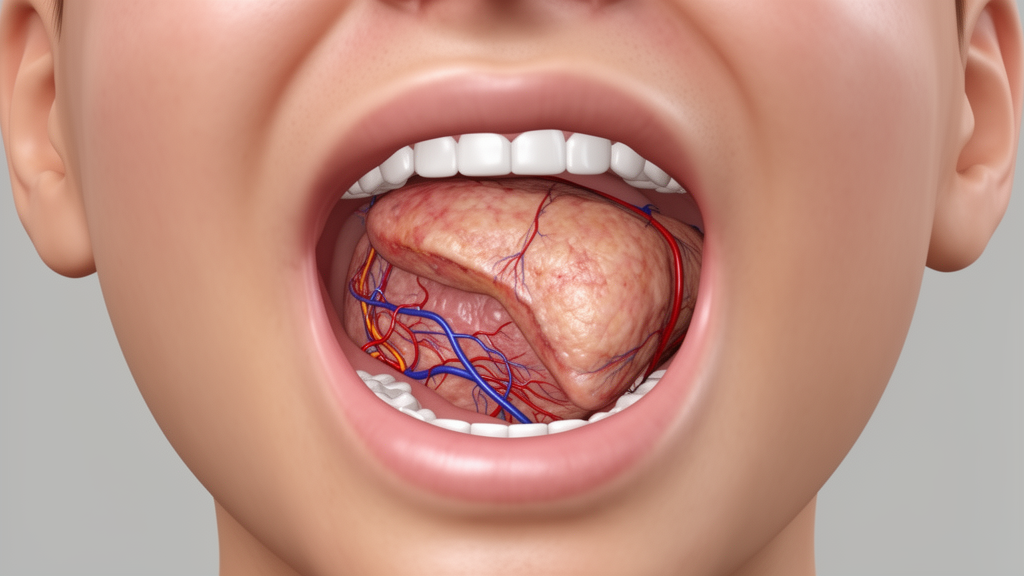
Reconstruction of large oral cavity defects following oncologic ablation poses a significant challenge, particularly in elderly patients who may be classified as pre-frail and carry multiple comorbidities. Although free flap reconstruction remains a standard option, it may be unsuitable for elderly pre-frail patients with multiple comorbidities. A study published in Maxillofacial Plastic and Reconstructive Surgery on September 1, 2026, details the use of a contralateral facial artery-based chimeric flap as a viable alternative for these vulnerable patients.
The study highlights a clinical strategy involving two elderly pre-frail patients who presented with squamous cell carcinoma of the tongue and floor of the mouth. Following wide local excision of the tumors, both patients faced moderately large soft-tissue defects. The surgical team determined that neither a nasolabial island flap nor a submental artery island flap alone could provide the necessary tissue volume for adequate reconstruction. This clinical impasse prompted the design and execution of a chimeric flap, which integrated both a nasolabial island flap and a submental artery island flap, supplied by the contralateral facial artery.
This innovative design allowed the surgical team to provide sufficient local tissue coverage to the oral defect while effectively avoiding the need for microvascular anastomosis.
Postoperative outcomes for both patients demonstrated the clinical utility of this approach. Primary closure was successfully achieved for all donor-site incisions, and there were no immediate wound complications reported in the postoperative period.
At approximately one year of follow-up, both patients demonstrated acceptable oral intake and overall functional recovery.
The researchers also documented specific limitations and secondary observations associated with the procedure. In one instance, a patient experienced persistent partial facial paralysis, while both cases exhibited a mild cheek depression. Additionally, intraoral hair growth was observed in the male patient.
In conclusion, the contralateral facial artery-based chimeric flap offers a practical reconstructive option for large oral cavity defects, especially in elderly pre-frail patients who are poor candidates for free flap procedures.
Subject of Research: Clinical study on novel chimeric flap reconstruction for oral cavity defects.
Article Title: Contralateral facial artery-based chimeric flap for reconstruction of large oral cavity defects in elderly pre-frail patients: a two-case report
Article References: Ma, J., U., I., Li, Y., Chen, L., Yang, L., Wang, D., Lu, H., Liang, Y., Zhang, S., & Liao, G. (2026). Contralateral facial artery-based chimeric flap for reconstruction of large oral cavity defects in elderly pre-frail patients: a two-case report. Maxillofacial Plastic and Reconstructive Surgery. https://doi.org/10.1186/s40902-026-00524-w
Image Credits: AI Generated
DOI: 10.1186/s40902-026-00524-w
Keywords: Oral cavity reconstruction, elderly patients, pre-frail, squamous cell carcinoma, chimeric flap, nasolabial island flap, submental artery island flap, facial artery, surgical oncology, head and neck surgery, reconstructive surgery, free flap, soft-tissue defects, clinical case report, functional recovery
News Source: Ophelia Keating. (November 17, 2026). Contralateral Chimeric Flap Reconstructs Large Oral Defects in Two Elderly Pre-Frail Cases. Scienmag.