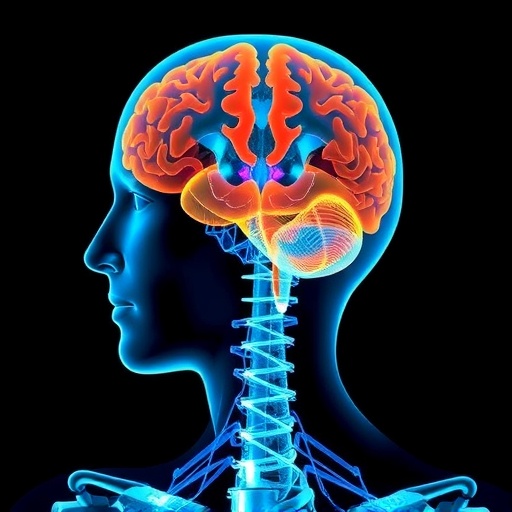
In the realm of neurocritical care, continuous neuromonitoring acts as an indispensable lifeline, providing crucial, real-time insights into the dynamic nature of cerebral physiology. For patients grappling with various neurological conditions, including but not limited to strokes and neurotraumas, the ability to monitor brain activity and hemodynamics is vital. This holistic view enables healthcare providers to make timely interventions that could ultimately be life-saving. The integration of multiple modalities, such as intracranial pressure monitoring, arterial blood pressure assessment, and near-infrared spectroscopy, creates a multilayered understanding of cerebral perfusion pressures and other related variables. The interplay between these monitoring techniques equips clinicians with a means to navigate the complex landscape of patient care.
However, a significant hurdle remains in translating these real-time data into actionable insights—a challenge posed by the inherent artefacts commonly associated with continuous neuromonitoring systems. These artefacts can obscure the true physiological state of patients, leading to potential misinterpretations that may complicate treatment decisions. The origins of these artefacts are manifold, stemming from clinical procedure activities, patient-related physiological variations, intrinsic characteristics of the technical equipment employed, and environmental influences. Each of these factors plays an instrumental role in altering data readings, thereby putting patient care at risk.
For instance, during high-pressure clinical interventions, transient alterations in physiological parameters often occur. These changes can lead to spikes or drops in monitored values that do not accurately reflect the patient’s condition. Moreover, the patient’s own physiology, particularly in critically ill individuals, is often unstable and may contribute additional variability to the data being gathered. Understanding these nuances is essential for clinicians who rely on this information for making therapeutic choices.
Technical equipment properties also introduce an element of unpredictability. For example, signal noise and artifact distortion can arise from the sensors used in monitoring modalities. These technical limitations mean that data must be interpreted cautiously, as gaps in data integrity could have severe clinical implications. Environmental factors—ranging from electromagnetic interference to the physical environment of the monitoring setup—further complicate the accurate interpretation of patient states. It’s a clear demonstration of how reliance on technology must be accompanied by a nuanced understanding of the potential pitfalls inherent in these systems.
Given the glaring implications of artefacts in continuous neuromonitoring, emerging strategies for artefact management are being explored. Domain knowledge—understanding the biological and physical underpinnings of the monitoring systems—plays a pivotal role. Clinicians equipped with this knowledge can make informed decisions about the reliability of the data they are observing. Another promising avenue is the application of data-driven methods that utilize machine learning and artificial intelligence to filter out artefacts and enhance data reliability.
The integration of these strategies into clinical practice holds the promise of revolutionizing patient care in neurocritical settings. Robust, automated systems for real-time artefact management are not just innovative; they are essential for transitioning towards precise, individualized patient care. The collaboration between clinical expertise and technological advancements stands to elevate the standard of care provided to patients, potentially improving outcomes significantly.
Moreover, key translational challenges stand in the way of optimizing continuous neuromonitoring systems. Issues pertaining to the design of neurosensors, harmonization across different monitoring modalities, and the utilization of artificial intelligence pathways must be systematically addressed. Researchers and healthcare providers alike must work collaboratively to overcome these hurdles.
The requirements for creating optimal neurosensors extend beyond sensory accuracy and reliability; they must also factor in usability and integration into existing clinical workflows. The goal is to ensure that these advanced monitoring systems can be seamlessly incorporated into the routines of neurocritical care units without overwhelming clinicians or creating additional barriers.
In conclusion, while continuous neuromonitoring plays a vital role in neurocritical care, the challenge remains in managing the artefacts that can distort data integrity. Addressing this issue through emerging strategies and technological innovations will be critical for enhancing the reliability of patient monitoring. The journey towards effective real-time artefact management is complex, but necessary, and symbolizes a significant stride toward improving patient outcomes in neurocritical settings. The road ahead is one of collaboration, innovation, and unwavering commitment to excellence in patient care.
By acknowledging the intricacies involved in continuous neuromonitoring, healthcare systems can foster an environment that prioritizes patient safety and treatment efficacy. This endeavor not only affirms the necessity of continuous neuromonitoring but also highlights the potential for ongoing advancements in the field. Future research will undoubtedly continue to explore the evolving landscape of neuromonitoring, paving the way for enhanced clinical practices that better serve patients with acute neurological conditions.
In summary, the collaboration between clinical expertise, technological prowess, and strategic planning will be paramount in overcoming the inherent challenges posed by artefacts in continuous neuromonitoring. As this field continues to evolve, the focus must remain on achieving a delicate balance between leveraging technological advances while maintaining a steadfast commitment to optimizing patient care through data integrity and actionable insights.
Subject of Research: Continuous Neuromonitoring in Neurocritical Care
Article Title: Artefacts in Continuous Neuromonitoring
Article References:
Chen, X., Bögli, S.Y., Olakorede, I. et al. Artefacts in continuous neuromonitoring. Nat Rev Bioeng (2026). https://doi.org/10.1038/s44222-025-00378-3
Image Credits: AI Generated
DOI:
Keywords: Continuous neuromonitoring, artefacts, neurocritical care, cerebral physiology, data reliability, artificial intelligence, patient care.
Tags: artefacts in cerebral physiology monitoringcontinuous neuromonitoring challengesfactors affecting neuromonitoring accuracyhemodynamics in stroke patientsimplications of monitoring artefacts in patient careintegrating multiple monitoring modalitiesintracranial pressure monitoring issuesmonitoring techniques in neurotraumaovercoming artefacts in brain activity monitoringreal-time neurocritical care insightssignificance of cerebral perfusion pressuretranslating neuromonitoring data into action