• HOME
  • NEWS
  • EXPLORE
    • CAREER
      • Companies
      • Jobs
    • EVENTS
    • iGEM
      • News
      • Team
    • PHOTOS
    • VIDEO
    • WIKI
  • BLOG
  • COMMUNITY
    • FACEBOOK
    • INSTAGRAM
    • TWITTER
Saturday, June 27, 2026
BIOENGINEER.ORG
No Result
View All Result
  • Login
  • HOME
  • NEWS
  • EXPLORE
    • CAREER
      • Companies
      • Jobs
        • Lecturer
        • PhD Studentship
        • Postdoc
        • Research Assistant
    • EVENTS
    • iGEM
      • News
      • Team
    • PHOTOS
    • VIDEO
    • WIKI
  • BLOG
  • COMMUNITY
    • FACEBOOK
    • INSTAGRAM
    • TWITTER
  • HOME
  • NEWS
  • EXPLORE
    • CAREER
      • Companies
      • Jobs
        • Lecturer
        • PhD Studentship
        • Postdoc
        • Research Assistant
    • EVENTS
    • iGEM
      • News
      • Team
    • PHOTOS
    • VIDEO
    • WIKI
  • BLOG
  • COMMUNITY
    • FACEBOOK
    • INSTAGRAM
    • TWITTER
No Result
View All Result
Bioengineer.org
No Result
View All Result
Home NEWS Science News Biology

Conservation scientists call for reverse to biodiversity loss

Bioengineer by Bioengineer
November 8, 2019
in Biology
Reading Time: 3 mins read
0
IMAGE
Share on FacebookShare on TwitterShare on LinkedinShare on RedditShare on Telegram

IMAGE

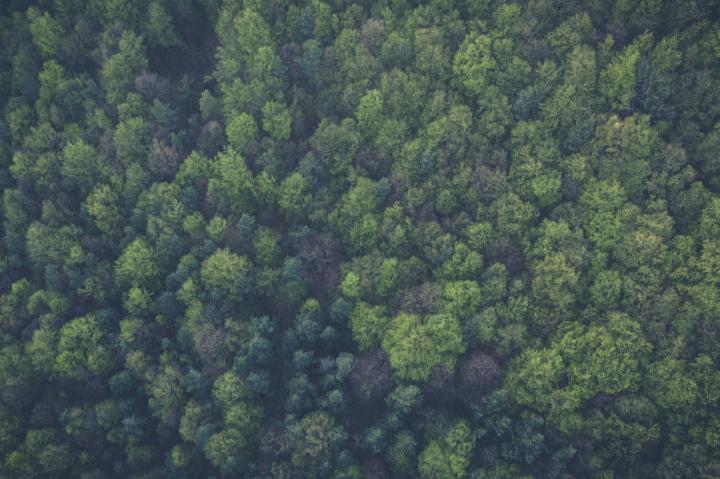
Credit: The University of Queensland

A group of international conservationists is urging governments across the globe to adopt a new approach to address the impact of economic development on the natural world.

Renowned researchers, including University of Queensland scientists, aim to draw attention to what they call “net positive outcomes for nature”.

Professor James Watson, of UQ and the Wildlife Conservation Society, said the new approach rejected the idea that biodiversity loss was an inevitable consequence of economic development.

“This new net positive approach is underpinned by the concept of a conservation hierarchy, which provides a framework for structuring biodiversity conservation actions based on how they contribute to worldwide conservation,” he said.

“We’re calling for more ambitious, proactive measures to ensure greater benefits to the natural environment are achieved in concert with development activities.

“Conservation actions should be based on how they contribute to our shared overall vision for the natural world, rather than piecemeal actions to protect species or habitats.

“We need policymakers to seriously and urgently prioritise the reduction of development impacts as they happen, retain and restore habitats proactively, and enhance the prospects for nature everywhere.”

The framework would allow the whole range of conservation efforts to be tracked at a global level, whether they are implemented by national governments, indigenous groups, businesses or private individuals.

“This allows for more consistent, comprehensive and informative evaluation of the progress we are collectively making toward restoring nature,” Professor Watson said.

“Our approach is much more ambitious than current policy commitments, which typically relate only to location-specific impacts, particular species trends or certain sectors of the economy.

“It outlines how the global community can move to a position in which economic development activities would be integrated with, rather than in opposition to, positive biodiversity outcomes.”

The conservationists are calling for a shift in the language and approach to global conservation policy discussions in advance of next year’s UN Convention on Biological Diversity, which will be held in China and will set the strategic plan for biodiversity for the next decade and to 2050.

“It’s obvious that nature is running out of time, and nations have one last chance to get a bold target in place to halt the declines and extinctions that are now commonplace across the world,” Professor Watson said.

“A headline goal that calls for a net gain for nature, will make it possible for governments and industry to work hand in hand to avert biodiversity crisis.”

###

The proposal has been published in Nature Ecology & Evolution (DOI: 10.1038/s41559-019-1022-z).

It was led by Dr Joseph W. Bull at Kent’s Durrell Institute of Conservation and Ecology, with UQ and Professor EJ Milner-Gulland at the University of Oxford.

Media Contact
James Watson
[email protected]
61-409-185-592

Original Source

https://www.uq.edu.au/news/article/2019/11/leading-conservation-scientists-call-reverse-biodiversity-loss-net-positive%E2%80%99-goals

Related Journal Article

http://dx.doi.org/10.1038/s41559-019-1022-z

Tags: BiodiversityBiologyEcology/EnvironmentPopulation Biology
Share12Tweet8Share2ShareShareShare2

Related Posts

Natural Hallucinogens: Evolution’s Ecological Tools, Not Mere Chemical Byproducts

June 25, 2026

This Famous Butterfly Revealed: Three Distinct Species Hidden in One

June 25, 2026

Scientists Attack Soybean Cyst Nematode by Starving Its Food Source

June 25, 2026

Decoding the Secret Code of a Crucial Immune Sensor

June 24, 2026
Please login to join discussion

POPULAR NEWS

  • Saying Goodbye to PGY-6: Pediatric Fellowship Realities

    103 shares
    Share 41 Tweet 26
  • Multi-Hospital Study Reveals Long Covid Burden Is Twice as High as Current Estimates

    92 shares
    Share 36 Tweet 23
  • Detection of EDCs in Breast Milk and Infant Urine Up to Six Months Highlights Early Exposure Risks

    77 shares
    Share 31 Tweet 19
  • New Drug Candidate Developed at McMaster Shows Potential for Treating Brain Cancer

    58 shares
    Share 23 Tweet 15

About

We bring you the latest biotechnology news from best research centers and universities around the world. Check our website.

Follow us

Recent News

Tracking Lanthanide-Labeled Microplastics in Plants

POSTECH Researchers Slash Cost of Reconstituted Cell-Free Systems by 95%

AI and Physics Collaborate to Design Advanced Hydrogen Storage Materials

Subscribe to Blog via Email

Success! An email was just sent to confirm your subscription. Please find the email now and click 'Confirm' to start subscribing.

Join 82 other subscribers
  • Contact Us

Bioengineer.org © Copyright 2023 All Rights Reserved.

Welcome Back!

Login to your account below

Forgotten Password?

Retrieve your password

Please enter your username or email address to reset your password.

Log In
No Result
View All Result
  • Homepages
    • Home Page 1
    • Home Page 2
  • News
  • National
  • Business
  • Health
  • Lifestyle
  • Science

Bioengineer.org © Copyright 2023 All Rights Reserved.