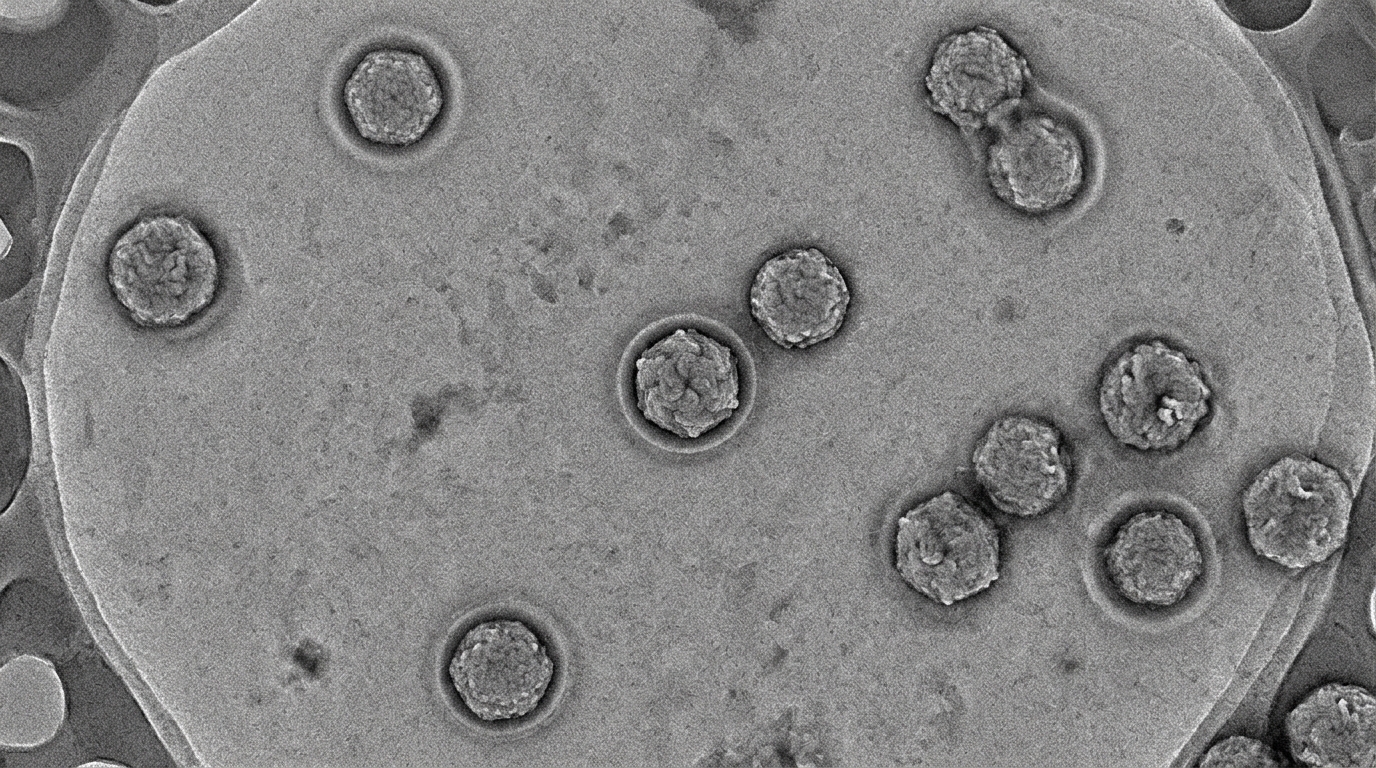
A computational study has utilized immunoinformatics tools to design and preliminarily evaluate a chimeric multi-epitope vaccine candidate directed against the VP1 capsid protein of poliovirus type 3. Conducted by researchers including Rehana Rehana, Rizwana Rizwan, Shakeela Shakeela, and Muhammad Anwar, the investigation modeled a single chimeric macromolecule to assess whether computational epitope selection could provide a theoretical blueprint for targeting the pathogen. The findings, reported in BMC Microbiology, represent an initial exploratory phase of vaccine design, relying entirely on predictive modeling and structural simulations to screen candidate sequences before any laboratory synthesis takes place.
The research addresses the ongoing biological context of poliomyelitis, an infectious disease caused by poliovirus, which belongs to the genus Enterovirus within the family Picornaviridae. Poliomyelitis manifests clinically across three distinct forms: mild disease termed abortive poliomyelitis, aseptic meningitis designated as nonparalytic poliomyelitis, and paralytic poliomyelitis, which involves severe neurological complications that have historically caused irreversible paralysis in thousands of people across the globe. Prevention has centered on immunization using inactivated poliovirus vaccines and attenuated oral poliovirus vaccines, which together have driven worldwide eradication efforts. Nonetheless, existing formulations carry established drawbacks: the inactivated platform offers limited intestinal mucosal immunity, whereas the attenuated oral vaccine carries a rare risk of generating vaccine-derived poliovirus strains, prompting investigation into alternative, non-replicating vaccine designs.
To formulate the candidate construct, the investigators retrieved the poliovirus type 3 VP1 capsid protein sequence from the NCBI database under accession number ABG78772.1. The sequence underwent computational screening to predict linear B-cell epitopes, major histocompatibility complex class I epitopes, and major histocompatibility complex class II epitopes. The screening protocol incorporated safety filtering steps to select suitable antigenic peptide regions while excluding motifs associated with potential toxicity or adverse reactogenicity, establishing the foundational antigenic fragments required for construct assembly.
Following epitope prediction and filtering, the authors assembled four linear B-cell epitopes, twenty-six cytotoxic T-lymphocyte epitopes, and twenty helper T-lymphocyte epitopes into a defined primary sequence spanning 569 amino acids. The selected epitopes were joined together using specific synthetic linkers, namely EAAAK, GPGPG, and AAY spacers. To enhance prospective immunoreactivity, a human beta-defensin sequence was integrated at the N-terminal end of the polypeptide construct to serve as an adjuvant.
Subsequent computational evaluations assessed the physicochemical profile and broad population relevance of the engineered 569-amino-acid sequence. Predictive algorithms characterized the construct as antigenic, non-allergenic, non-toxic, and possessing favorable physicochemical properties, including hydrophilic behavior. When combining the predicted MHC-I and MHC-II binding profiles, the multi-epitope construct exhibited a calculated global human leukocyte antigen population coverage of 98.52 percent, indicating wide theoretical compatibility across diverse human genetic backgrounds.
The study further probed the macromolecular behavior of the construct through structural quality checks, normal-mode dynamic behavior, and rigid-body molecular docking against human Toll-like receptor 3. Utilizing the ClusPro docking server, the team identified a top-ranked docking cluster with a weighted score of -1134. The researchers noted that this weighted value serves strictly to rank structural poses relative to other models generated within the computational run, rather than quantifying a thermodynamic binding free energy or a biological dissociation constant. In parallel, immune dynamics simulated via the C-ImmSim server predicted the development of secondary humoral and cellular immune responses following simulated booster administrations.
To evaluate production feasibility, codon adaptation and in silico cloning workflows were carried out, with codon analysis indicating that the adapted construct sequence shows compatibility for recombinant expression within an Escherichia coli host system. The authors emphasized, however, that these computational predictions remain preliminary and do not establish actual immunogenicity, safety, receptor activation, biological expression, or protective efficacy in living systems. Comprehensive in vitro assays and in vivo experimental animal testing will be required before any definitive biological conclusions can be drawn regarding the viability of this vaccine candidate.
The manuscript appears as an open-access research publication in BMC Microbiology, where it was released early to accelerate access to peer-reviewed, accepted scientific findings. Because this early version precedes the final Version of Record, the text carries a permanent digital object identifier while remaining subject to subsequent editorial modifications under standard journal disclaimers.
Subject of Research: Computational design of a chimeric multi-epitope poliovirus type 3 vaccine candidate
Article Title: Comprehensive immunoinformatics analysis and chimeric multi-epitope vaccine design targeting VP1 capsid protein of poliovirus type 3
Article References: Rehana, R., Rizwan, R., Shakeela, S., & Anwar, M. (2026). Comprehensive immunoinformatics analysis and chimeric multi-epitope vaccine design targeting VP1 capsid protein of poliovirus type 3. BMC Microbiology. https://doi.org/10.1186/s12866-026-05790-2
Image Credits: AI Generated
DOI: 10.1186/s12866-026-05790-2
Keywords: poliovirus type 3, VP1 capsid protein, chimeric multi-epitope vaccine, immunoinformatics, in silico vaccine design, poliomyelitis, beta-defensin, cytotoxic T-lymphocyte epitopes, helper T-lymphocyte epitopes, linear B-cell epitopes, HLA population coverage, TLR3 docking, ClusPro, C-ImmSim, Escherichia coli expression, codon adaptation, in silico cloning, non-replicating vaccine platform
News Source: Kristina Jarvis. (November 11, 2026). Computational Study Models Chimeric Vaccine Candidate Targeting Poliovirus Type 3 VP1. Scienmag.