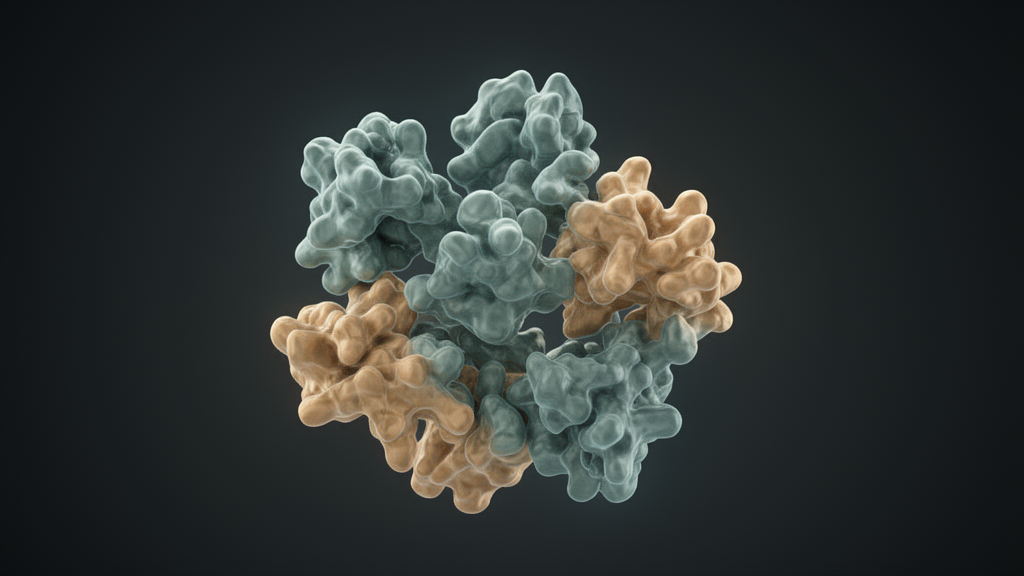
Researchers have developed a comprehensive computational framework to identify and prioritize potential anticancer peptides derived from the parasitic protozoan Leishmania major. Published in the journal Amino Acids, this study represents a significant step in the in silico discovery of bioactive molecules from parasitic sources. The team focused on two specific proteins, Glycoprotein 63 (GP63) and Kinetoplastid Membrane Protein-11 (KMP11), which are known for their roles in host-parasite interactions. By leveraging an integrated bioinformatics approach, the researchers aimed to reprogram these parasitic signatures into candidate sequences that could potentially be repurposed for cancer therapy, although all findings remain subject to future experimental validation.
The study, led by Abbas Dehghanian and colleagues, utilized a multi-layered strategy to screen and optimize peptide candidates. The process began with the retrieval of amino acid sequences for GP63 and KMP11 from the National Center for Biotechnology Information (NCBI) database. Using a custom Python script, the researchers generated all possible overlapping peptide fragments ranging from five to 25 amino acids in length. This initial step resulted in a large library of 11,592 peptides from GP63 and 1,638 from KMP11. These sequences were then subjected to primary screening using the AntiCP 2.0 server, a tool that employs a support vector machine classifier trained on experimentally validated anticancer and antimicrobial peptides.
To ensure the robustness of the screening process, the researchers did not rely on a single prediction tool. The initial candidates were further evaluated using MLACP, an independent machine-learning-based prediction tool with a distinct architecture. This complementary validation step helped reduce potential bias associated with relying on a single classifier. Additionally, the study incorporated motif analysis using the MERCI software to identify sequence patterns associated with anticancer activity. The analysis revealed that enriched motifs were most frequently observed in the 12 to 13 residue range, a length commonly reported among membrane-active regions of experimentally characterized anticancer peptides.
A critical component of the workflow involved systematic amino acid substitutions to optimize the predicted anticancer properties of the candidate peptides. The researchers implemented a controlled mutation strategy where the number of mutations was scaled relative to the peptide length. Specifically, the number of mutations was defined by the formula β = ⌈α⌉, where α = (peptide length)/2, and the final number of mutations was set as β − 1. This approach allowed for local exploration of sequence space while preserving core sequence identity. Only mutants that exhibited improved prediction scores relative to their parent sequences were retained for further analysis, ensuring a performance-based selection constraint.
Safety assessments were integrated into the pipeline to evaluate the potential toxicity, allergenicity, and antigenicity of the optimized peptides. The researchers used TOXINPRED2 for toxicity, ALGPRED2 for allergenicity, and VAXIJEN2 for antigenicity. Among the GP63-derived peptides, 309 were predicted to be non-allergenic and 536 were identified as potentially non-toxic. For KMP11-derived peptides, 98 sequences were classified as non-toxic, while only 51 were predicted to be non-allergenic. These safety-related predictions were incorporated as comparative criteria within the multi-parameter prioritization framework rather than being used as absolute exclusion filters, allowing for a more nuanced evaluation of candidate profiles.
The final prioritization of candidates was achieved using the Technique for Order of Preference by Similarity to Ideal Solution (TOPSIS), a multi-criteria decision-making framework. This method enabled the systematic evaluation of peptide attributes based on multiple heterogeneous attributes, including physicochemical descriptors, motif counts, and safety predictions. Equal weights were assigned to all criteria to minimize subjective bias, reflecting the absence of experimentally validated weighting schemes for anticancer peptide prioritization. Based on the aggregated scoring, the top 10 peptides with the highest TOPSIS scores were identified as the most promising candidates for further experimental validation.
To provide comparative mechanistic insights, the researchers performed structural modeling and exploratory molecular docking. The top five peptides from each protein were subjected to three-dimensional structure prediction using AlphaFold2. These models were used primarily for comparative visualization and as initial input conformations for docking analyses, rather than as definitive functional structures. The peptides were then docked against three cancer-associated receptors: epidermal growth factor receptor (EGFR), mouse double minute 2 homolog (MDM2), and vascular endothelial growth factor receptor 2 (VEGFR2). The docking results were interpreted in a comparative and exploratory manner to assess potential receptor accessibility, rather than to infer specific binding mechanisms or therapeutic efficacy.
Additionally, a coarse-grained membrane interaction analysis was conducted to evaluate peptide-membrane interaction propensity. This analysis utilized a simplified slab-based energy model to assess how the peptides interact with a hydrophobic membrane core. The results indicated that the top-ranked peptides exhibited favorable interaction energies within the membrane slab, consistent with the physicochemical trends frequently reported for experimentally validated anticancer peptides. Notably, peptides derived from KMP11 and GP63 displayed distinct preferred insertion depths, reflecting differences in their amphipathic residue distribution and charge distribution. These findings support the potential for membrane association under the applied computational model.
The study also included a comparative physicochemical analysis to distinguish anticancer peptides from non-anticancer peptides. Using reference datasets from AntiCP 2.0, the researchers found that anticancer peptides generally exhibited lower hydrophobicity, steric hindrance, and molecular weight compared to non-anticancer peptides. Conversely, anticancer peptides showed higher amphipathicity and hydropathicity, indicating a more balanced hydrophilic-hydrophobic profile. These quantitative differences highlight structural trends that distinguish anticancer peptides within the reference datasets and provide a basis for the feature selection used in the TOPSIS ranking.
The authors emphasize that the proposed framework provides a structured, hypothesis-generating strategy for anticancer peptide candidate prioritization. By leveraging evolutionary and physicochemical features associated with host-pathogen interactions, the approach enables systematic exploration of parasite-derived peptide sequence space. The study demonstrates the feasibility of computationally deriving and prioritizing anticancer peptide candidates from Leishmania major proteins. However, the researchers caution that experimental validation is essential to determine the biological activity, selectivity, and translational relevance of the identified candidates.
Limitations of the study include its entirely computational nature, which lacks experimental validation of the predicted peptides’ anticancer activity in vitro or in vivo. The motif analysis is dependent on the quality and diversity of the input datasets, which may restrict the identification of rare or context-specific motifs. Furthermore, the molecular docking and membrane interaction analyses were applied in an exploratory manner and should not be interpreted as definitive evidence of stable binding or functional inhibition. Future studies integrating high-resolution atomistic molecular dynamics simulations and experimental binding assays will be required to refine mechanistic interpretations.
This research contributes to the growing field of peptide-based anticancer therapies by exploring a unique and underexplored resource: parasite-derived peptides. Due to their evolutionary adaptation for host interaction and immune evasion, these molecules may offer advantageous structural and functional properties for selective targeting of cancer cells. The study provides a reproducible pipeline for the design and prioritization of such peptides, offering a rational basis for future experimental investigations into their potential as anticancer agents.
Subject of Research: Reprogramming parasitic signatures into anticancer peptide candidates: in silico discovery of Leishmania major-derived peptides
Article Title: Reprogramming parasitic signatures into anticancer peptide candidates: in silico discovery of Leishmania major-derived peptides
Article References: Dehghanian, A., Izadi, M., Minaei, Z., Cheshrokh, M., Fathi Tadavani, F., Masoudi, A., Bagherzadeh, M. A., Mofazzal Jahromi, M. A., & Pirestani, M. (2026). Reprogramming parasitic signatures into anticancer peptide candidates: in silico discovery of Leishmania major-derived peptides. Amino Acids, 58(1), Article 53. https://doi.org/10.1007/s00726-026-03540-2
Image Credits: AI Generated
DOI: 10.1007/s00726-026-03540-2
Keywords: Reprogramming, parasitic, signatures, anticancer, peptide, candidates, silico, discovery, Leishmania, major-derived, peptides, scientific research
News Source: Drew Townsend. (November 8, 2026). Computational Study Identifies Leishmania Peptides as Anticancer Candidates. Scienmag.