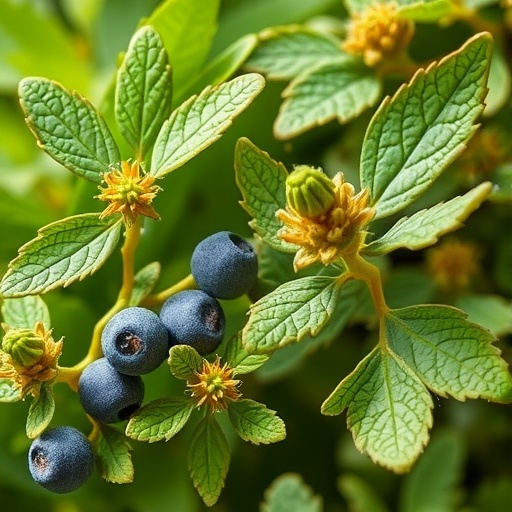
Recent research has yielded compelling findings regarding the antibacterial properties of natural extracts, specifically focusing on Zataria multiflora and Eucalyptus camaldulensis. This study has provoked considerable interest within scientific circles, particularly due to its implications for dental health and the ongoing pursuit of effective antimicrobial treatments. The featured investigation reveals how these natural extracts compete with a widely used antiseptic, 0.2% chlorhexidine, in reducing the count of Streptococcus mutans—an organism primarily responsible for dental caries.
The research emphasizes that antibiotics and antiseptics such as chlorhexidine, while effective, can contribute to antibiotic resistance and affect the oral microbiome’s equilibrium. This concern has prompted the exploration of alternative and natural sources of antibacterial agents, underscoring the potential of medicinal plants. The dual extracts of Zataria multiflora and Eucalyptus camaldulensis are noted for their historical use in traditional medicine, primarily due to their therapeutic properties.
Zataria multiflora, commonly known as thyme or wild thyme, is recognized for its rich phytochemical profile. This aromatic herb possesses a plethora of bioactive compounds, including thymol and carvacrol, which contribute to its antibacterial efficacy. The study provides evidence of its potent antimicrobial action against various bacterial strains and posits that it could serve as a natural substitute for chemical antiseptics in dental care.
Similarly, Eucalyptus camaldulensis, often referred to as the river red gum, offers another layer of potency in combating oral pathogens. The extracts derived from its leaves showcase substantial antibacterial characteristics, which could play a pivotal role in reducing bacteria associated with dental biofilms. The active constituents within the eucalyptus, like eucalyptol and globulol, exhibit considerable antibacterial effects and have been historically utilized for numerous health-related applications.
The research methodology adopted in this study was rigorous, employing standardized procedures to assess the antibacterial activity of the extracts. In vitro techniques permitted controlled experimentation, leading to reliable comparisons between the efficacy of plant extracts and chlorhexidine. The results indicated that both Zataria multiflora and Eucalyptus camaldulensis exhibited notable antibacterial effects against Streptococcus mutans, often matching or exceeding those of chlorhexidine.
Interestingly, the extract combinations demonstrated synergistic effects, suggesting that when utilized collectively, they may enhance antibacterial properties. This discovery elevates the possibility of developing natural, plant-based formulations that could provide dual protection against oral pathogens while minimizing unwanted chemical exposure.
The findings contribute significantly to the field of alternative medicine and reinforce the importance of integrating traditional knowledge with scientific research. As the world navigates increasing concerns surrounding the side effects of synthetic drugs and antibiotic resistance, this study advocates for revisiting natural remedies with a fresh perspective rooted in empirical data.
Moreover, the implications for public health are profound. If future research substantiates these findings, there could be a paradigm shift towards incorporating botanical extracts in dental hygiene products, potentially revolutionizing oral care staples. This switch not only has the potential to enhance personal health strategies but also advocates for more sustainable practices in product formulation.
The research’s implications extend beyond individual health, reaching into environmental and economic spheres as well. By promoting the cultivation and harvesting of Zataria multiflora and Eucalyptus camaldulensis, communities could reap both health benefits and economic empowerment through the trade of natural extracts. Increased demand for herbal solutions could spur local economies and conserve biodiversity, showcasing the interlinking sectors of health, economy, and environment.
In conclusion, the in vitro study spotlighting Zataria multiflora and Eucalyptus camaldulensis establishes a critical foundation for future investigations into the potential of natural extracts as viable alternatives to chemical-based antimicrobial agents. As this research gains recognition, it encourages continued exploration of our environment’s botanical wealth, paving the way for innovative health solutions that align with contemporary needs for safety, efficacy, and sustainability.
This exploration into the antibacterial effects of natural extracts against oral pathogens underscores the exciting potential brewing within the realm of herbal medicine and invites the scientific community and general public alike to consider the power of nature in promoting health.
Subject of Research: Antibacterial effects of natural extracts on Streptococcus mutans.
Article Title: Antibacterial effects of Zataria multiflora and Eucalyptus camaldulensis extracts versus 0.2% chlorhexidine on Streptococcus mutans count: an in vitro study.
Article References: Rahmandost, M., Babaei, A. & Momeni, Z. Antibacterial effects of Zataria multiflora and Eucalyptus camaldulensis extracts versus 0.2% chlorhexidine on Streptococcus mutans count: an in vitro study. BMC Complement Med Ther 25, 413 (2025). https://doi.org/10.1186/s12906-025-05148-7
Image Credits: AI Generated
DOI: https://doi.org/10.1186/s12906-025-05148-7
Keywords: Antibacterial, Zataria multiflora, Eucalyptus camaldulensis, Streptococcus mutans, chlorhexidine, in vitro study, herbal medicine, dental health.
Tags: antimicrobial resistance concernsbioactive compounds in plantschlorhexidine comparison studyEucalyptus camaldulensis dental healthherbal extracts in dentistrynatural alternatives to antisepticsnatural antibacterial agentsphytochemical profiles of herbsStreptococcus mutans reductiontherapeutic properties of medicinal plantstraditional medicine herbal applicationsZataria multiflora antibacterial properties