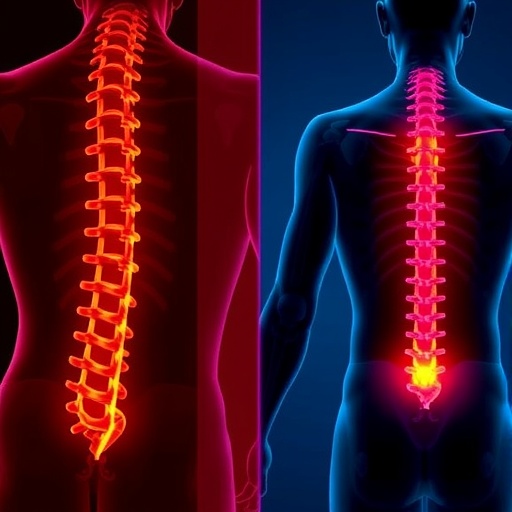
A groundbreaking study published in the Journal of Medical Biology and Engineering examines the efficacy of high and low-intensity laser therapy in treating patients suffering from lumbar disc herniation. This condition, which often results in debilitating back pain and limited mobility, affects a significant portion of the population, making the quest for effective treatment options a critical healthcare priority. The research is positioned within the field of non-invasive therapeutic techniques, which are increasingly being implemented to avoid surgical interventions and the associated risks that come with them.
In this randomized controlled trial, the authors, Kuzu et al., delve into the comparative effectiveness of two distinct types of laser therapy. While high-intensity laser therapy has been touted for its deeper tissue penetration and potentially rapid pain relief, low-intensity laser therapy, also known as cold laser therapy, is celebrated for its safety profile and reduced side effects. The study aims to corroborate existing evidence on these therapies and provide clarity on how they can influence the recovery process for individuals battling lumbar disc herniation.
The study setup included a diverse cohort of participants, carefully selected based on stringent inclusion criteria. This methodological rigor ensured that the results would be applicable to a broader patient demographic. Participants were randomly allocated to either the high-intensity laser therapy group or the low-intensity laser therapy group, creating a robust framework for examining outcomes. The use of a control group is essential in clinical trials as it establishes a baseline for measuring the efficacy of the interventions being tested.
Data collection was meticulously planned, with outcome measures primarily focusing on pain relief and functional improvement. Assessments were conducted using standardized tools such as the Visual Analog Scale (VAS) for pain and the Oswestry Disability Index (ODI) to gauge the level of functional impairment. These instruments provide quantitative measures that are essential for analyzing the success of treatment modalities, ensuring that findings are statistically valid and clinically relevant.
As the interventions commenced, patients underwent a series of treatments over several weeks. Each therapy session was conducted under the supervision of trained professionals, ensuring that safety protocols were followed meticulously. The report describes the treatment regimen in detail, highlighting how sessions were structured and the specific doses of laser energy that were administered. Such transparency is crucial for replicability in future trials and adds to the body of knowledge regarding laser applications in rehabilitation medicine.
After completing the therapeutic regimen, participants were reassessed to evaluate the impact of the laser treatments. The results are revealing: both high and low-intensity laser therapies demonstrated significant improvements in pain levels and functionality. However, key differences emerged in the degree and speed of these improvements. The high-intensity group reported more rapid symptom relief, suggesting that for acute cases, this method may be preferable. Conversely, the low-intensity group showed steady gains over time, pointing to its potential for long-term management of chronic conditions.
As healthcare providers discuss treatment options with patients suffering from lumbar disc herniation, these findings could shape clinical decision-making profoundly. Prioritizing non-invasive methods is increasingly recognized as a critical component of modern medical practices, especially as patients become more informed about their treatment options. Moreover, with rising healthcare costs globally, effective yet economical therapies like laser treatments stand out, potentially alleviating not just patient suffering but also reducing the overall burden on healthcare systems.
The implications of this trial extend beyond the immediate treatment of lumbar disc herniation. The knowledge gained may well contribute to broader discussions around pain management and rehabilitation techniques for various musculoskeletal disorders. As laser therapy continues to gain traction within the medical community, understanding its full scope of benefits and limitations becomes paramount. This study underscores the importance of continual research in optimizing treatment protocols to meet the evolving needs of patients.
The results also raise important questions regarding the mechanisms behind the observed benefits of laser therapy. Understanding how these therapies modulate pain signaling pathways, promote tissue repair, and enhance blood flow may provide insights that can be harnessed to further improve treatment methodologies. Future research could delve deeper into the molecular and cellular responses to laser therapy, painting a more comprehensive picture of its therapeutic potential.
Patient adherence and the subjective experience of receiving laser therapy shouldn’t be overlooked. Preliminary feedback gathered during the trial suggests that many participants favored non-invasive treatments due to their minimal discomfort and quick application. These insights highlight the importance of patient preference in treatment selection and underscore the need for healthcare providers to engage patients in their care decisions actively.
As we look toward the future of pain management, studies like this serve as pivotal components in the growing body of evidence advocating for laser therapy as an effective option. By democratizing access to evidence-based treatments, healthcare providers can empower patients with choices that align with their values and treatment goals. The dialogue around the role of laser therapy in musculoskeletal care is likely to gain momentum, inviting both practitioners and patients to explore innovative approaches to managing chronic pain.
In conclusion, Kuzu et al.’s investigation into high and low-intensity laser therapy for lumbar disc herniation establishes a solid foundation for future exploration in this arena. As the medical community grapples with an increasing prevalence of such conditions, understanding and implementing effective, evidence-based treatments will be vital. The study illuminates not only the efficacy of these laser therapies but also the broader implications for patient care in the realm of non-invasive treatment protocols.
Research such as this is indispensable as it lays the groundwork for future inquiries and clinical practices that prioritize patient outcomes while remaining committed to innovation in therapeutic methodologies. The ultimate goal is clear: to enhance the quality of life for those grappling with the challenges of lumbar disc herniation and similar musculoskeletal disorders, providing them with viable, safe treatment options that stand the test of time.
Subject of Research: Efficacy of High and Low Intensity Laser Therapy in Patients with Lumbar Disc Herniation
Article Title: Investigation of Efficacy of High and Low Intensity Laser Therapy in Patients with Lumbar Disc Herniation: a Randomized Controlled Trial
Article References:
Kuzu, Ş., Jawad, S.R., Canli, M. et al. Investigation of Efficacy of High and Low Intensity Laser Therapy in Patients with Lumbar Disc Herniation: a Randomized Controlled Trial.
J. Med. Biol. Eng. (2025). https://doi.org/10.1007/s40846-025-00989-6
Image Credits: AI Generated
DOI:
Keywords: Laser therapy, lumbar disc herniation, pain management, randomized controlled trial, high intensity laser, low intensity laser.
Tags: back pain management strategiescold laser therapy safety profileefficacy of laser therapy in pain reliefevidence-based treatment for lumbar issueshigh-intensity laser treatment benefitsimpact of laser therapy on mobilitylaser therapy for lumbar disc herniationlow-intensity laser therapy effectivenessnon-invasive back pain treatmentspatient recovery from disc herniationrandomized controlled trial on laser therapytherapeutic techniques for disc herniation