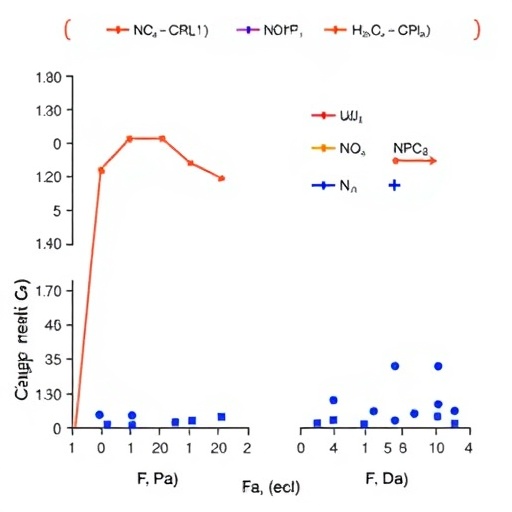
In a groundbreaking study published in Ionics, researchers have delved deep into the intricacies of ionic conductivities of Na₃PS₄ solid electrolytes, comparing two distinct synthesis methods: Liquid-Phase and ball mill approaches. This exploration not only sheds light on the structural differences between these materials but also emphasizes the implications of their ionic conductivity properties for the development of next-generation solid-state batteries.
The increasing demand for efficient energy storage solutions has driven researchers to investigate alternative materials and methods in the quest for higher energy densities and improved safety features in battery technology. Solid-state batteries, in particular, present a promising avenue for achieving these goals, as they offer several advantages over traditional liquid electrolyte batteries, such as reduced flammability risks and enhanced electrochemical stability. Sodium-based solid electrolytes, like Na₃PS₄, have gained attention due to the earth abundance of sodium and their favorable ionic conductivity, making them a candidate for efficient battery systems.
The study conducted by Hassan and colleagues provides a comprehensive analysis of the ionic conductivities corresponding to Na₃PS₄ synthesized through Liquid-Phase and ball mill methods. The team’s meticulous approach involved characterizing both types of electrolytes to elucidate the variations in their ionic transport properties. Through detailed experimentation and analysis, significant findings emerged, highlighting how synthesis techniques play a critical role in determining the performance of solid electrolytes.
Liquid-Phase synthesis, known for its efficiency and versatility, allows precise control over the composition and morphology of the resulting materials. Scientists utilized this method to produce Na₃PS₄ with a well-defined crystalline structure that was expected to exhibit superior ionic conductivity. Their results affirmed this hypothesis, unveiling impressive ionic conductivity values that could enhance the electrolyte’s performance in solid-state batteries.
Conversely, the ball mill method, so commonly used in material synthesis, has its own distinct operational dynamic. This mechanical approach, which aggressively reduces particle size through grinding, leads to materials that can differ significantly in morphology compared to those produced via Liquid-Phase methods. The research revealed that although the ball-milled Na₃PS₄ samples exhibited promising characteristics, their ionic conductivity did not match that of the Liquid-Phase synthesized counterparts, raising questions about the mechanochemical processes at play during synthesis.
A critical factor that stands out in the research is the examination of the microstructural attributes of the two types of Na₃PS₄. By employing techniques such as X-ray diffraction and scanning electron microscopy, the team was able to visualize the varying particle sizes and agglomeration behaviors between samples. The findings suggest that the well-defined structure of Liquid-Phase synthesized Na₃PS₄ facilitates more efficient ionic movement, whereas the irregular and often larger particles resulting from ball milling hinder this process, showcasing the tangible impact of microstructure on ionic conduction.
Additionally, the research thrived on the interplay between ionic conductivity and electrochemical stability. Given that solid-state electrolyte materials must endure repeated charging and discharging cycles in battery applications, understanding their long-term stability is paramount. The authors reported that the Liquid-Phase synthesized samples not only boasted higher ionic conductivity but also exhibited better stability during prolonged electrochemical testing, further endorsing their potential application in commercial battery systems.
As energy storage technology advances, it becomes increasingly clear that optimizing synthesis procedures represents a vital step toward improving battery efficiency. The implications of this research are especially relevant in a landscape where electronic devices and electric vehicles (EVs) continue to demand safer and more efficient power sources. Researchers and industry leaders are now tasked with exploring the full potential of these materials and synthesis methods, considering that even minor enhancements in ionic conductivity could translate into substantial advancements in battery performance.
The work of Hassan et al. also opens the door for further exploration of alternative synthesis methods, potentially leading to the discovery of new electrolytes with superior properties. While Liquid-Phase and ball milling methods serve as a baseline for this study, researchers might uncover innovative techniques that combine the best features of both approaches. The pursuit of sustainable and efficient energy storage solutions is undoubtedly urgent, and the findings here could catalyze a shift in how researchers perceive material synthesis.
In conclusion, this pioneering study sets the stage for subsequent innovations in the field of solid electrolytes. By elucidating the differences in ionic conductivities of Na₃PS₄ solid electrolytes synthesized via different methods, it not only broadens our understanding of these materials but also serves as a stepping stone for future research. The quest for reliable, high-performance solid-state batteries has just taken a critical leap forward, potentially shaping the next wave of technological advancements in energy storage.
As researchers continue to push the boundaries of what is possible with solid electrolytes, the insights derived from this research will undoubtedly influence the design and implementation of the next generation of solid-state batteries. It is a hopeful reminder that improvements in energy technologies lie at the intersection of fundamental research and practical application, driving the transition towards a more sustainable future.
Subject of Research: Ionic conductivities of Na₃PS₄ solid electrolytes
Article Title: Insights into the differences in ionic conductivities of Na₃PS₄ solid electrolytes synthesized by Liquid-Phase and ball mill methods.
Article References:
Hassan, M., Bolia, R., De Sloovere, D. et al. Insights into the differences in ionic conductivities of Na3PS4 solid electrolytes synthesized by Liquid-Phase and ball mill methods.
Ionics (2026). https://doi.org/10.1007/s11581-026-06961-x
Image Credits: AI Generated
DOI: 31 January 2026
Keywords: Ionic conductivity, solid-state batteries, Na₃PS₄, synthesis methods, Liquid-Phase, ball mill, energy storage.
Tags: ball mill synthesis methodbattery technology advancementsefficient battery systemselectrochemical stability benefitsEnergy Storage Solutionsionic conductivity comparisonLiquid-Phase synthesis methodNa3PS4 solid electrolytesnext-generation battery developmentsodium-based electrolytessolid-state battery materialsstructural analysis of electrolytes