In the rapidly evolving landscape of mental health awareness, the significance of community bonds has emerged as a vital area of study, particularly as it relates to the emotional wellbeing of various demographics. One demographic of particular interest is the empty nesters, individuals who have seen their children grow up and leave home. This life transition can often be accompanied by feelings of loneliness and depression. Recent research conducted by experts in the field addresses this pressing issue, examining how community participation can positively influence mental health outcomes among this group in China.
The study conducted by Wang, Lang, and Meng delves deep into the complexities surrounding community engagement and its effects on the mental well-being of empty nesters. The researchers utilized a quantitative approach, collecting data from a diverse group of individuals across several regions in China, allowing for a comprehensive analysis of the relationship between community involvement and emotional health. Their findings reveal a significant correlation that could have implications for mental health policy and community programming aimed at this vulnerable population.
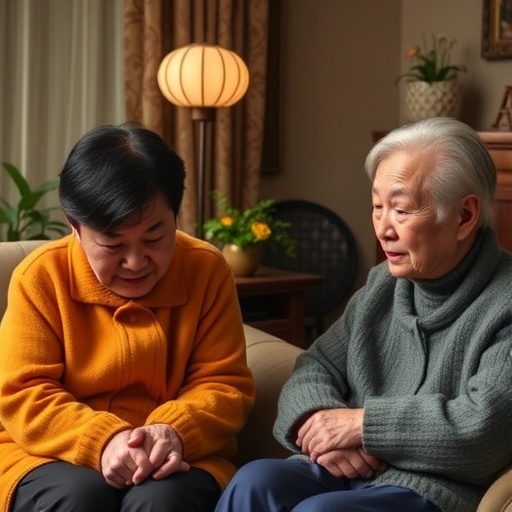
As empty nesters confront the challenge of adjusting to an altered family dynamic, the absence of their children can lead to a profound sense of loss and isolation. This research highlights how increased community involvement serves as a buffer against these emotional difficulties. By engaging with neighbors and participating in local activities, empty nesters can forge new social connections that provide emotional support and foster a sense of belonging. The study emphasizes that social connectivity is crucial as it leads to reduced feelings of depression and anxiety, effectively enhancing overall quality of life.
Moreover, the findings indicate that community participation encourages meaningful interactions, allowing empty nesters to rediscover their purpose and passions. Activities such as volunteering, taking part in local clubs, or even simple social gatherings provide both opportunities for socialization and avenues for personal fulfillment. The researchers advocate that community engagement not only alleviates loneliness but also promotes mental stimulation, further mitigating symptoms of depression. Such activities can rekindle interests long set aside due to the responsibilities of parenting.
The study also sheds light on the broader social implications of nurturing community ties among empty nesters. As societal structures evolve and family units become more dispersed, creating supportive networks becomes essential for communal health. The authors suggest that policymakers and community leaders should prioritize initiatives that facilitate connection among older adults. This could include establishing support groups, organizing local events, or enhancing accessibility to community resources, all of which can play a substantial role in enriching the lives of empty nesters.
Furthermore, the impact of such community initiatives extends beyond individual benefits; they can result in a ripple effect throughout communities, strengthening social fabrics and enhancing communal resilience. By fostering environments where older adults feel valued and included, communities can actively counteract the societal stigma associated with aging and mental health. The researchers call for a paradigm shift, urging a transition from viewing mental health issues solely through the lens of individual experience to understanding it as a shared community responsibility.
The implications of this research are profound, particularly as it speaks to the growing population of older adults. With a significant increase in aging demographics predicted in the coming decades, understanding how to support mental health through community engagement becomes ever more crucial. The researchers emphasize that this approach is not simply about addressing depression; it is about enhancing the overall well-being and life satisfaction of empty nesters.
In the context of global trends, the findings from this research resonate with similar studies conducted worldwide, underscoring a universal truth: social connection is integral to mental health across cultures. In times of crisis or transition, community support systems have proven to be a vital resource, vital not only for empty nesters in China but for older adults everywhere facing similar circumstances. This study is a clarion call, urging communities to recognize the power of collective support in promoting psychological health.
In summary, the comprehensive analysis by Wang, Lang, and Meng provides valuable insights into the complexities of community involvement among empty nesters in China. Their findings advocate for the significance of social networks in combating depression, offering a hopeful narrative for individuals traversing the challenging landscape of empty nesting. As societies work to address the mental health needs of their populations, understanding the role of community becomes paramount, shaping future interventions and enhancing the quality of life for countless individuals.
Empowering empty nesters through community initiatives not only addresses their immediate mental health needs but also cultivates a culture of care and connection. This research highlights the urgent need for action from both individuals and communities to cultivate environments where older adults can thrive, thereby transforming how society perceives aging and mental well-being.
Ultimately, this investigation serves as a vital reminder: in our interconnected world, the act of community building is not merely beneficial; it is essential for fostering a healthier future for all generations. By nurturing community bonds, we can create a support system that uplifts those who feel isolated and empowers them to reclaim their lives with hope and joy.
Subject of Research: The impact of community participation on depression among empty nesters in China
Article Title: The impact of community participation on depression among empty nesters in China
Article References:
Wang, Y., Lang, J., Meng, Y. et al. The impact of community participation on depression among empty nesters in China. BMC Geriatr (2026). https://doi.org/10.1186/s12877-026-07135-0
Image Credits: AI Generated
DOI: 10.1186/s12877-026-07135-0
Keywords: community participation, depression, empty nesters, mental health, social connections, aging, China.
Tags: community engagement benefits for seniorscommunity involvement and mental healthcommunity programming for emotional supportcoping strategies for empty nesterseffects of community participation on mental healthemotional health of aging populationsempty nesters emotional wellbeingloneliness and depression in empty nestersmental health policy for seniorsmental health research in Chinaquantitative studies on mental healthsocial connections and mental health