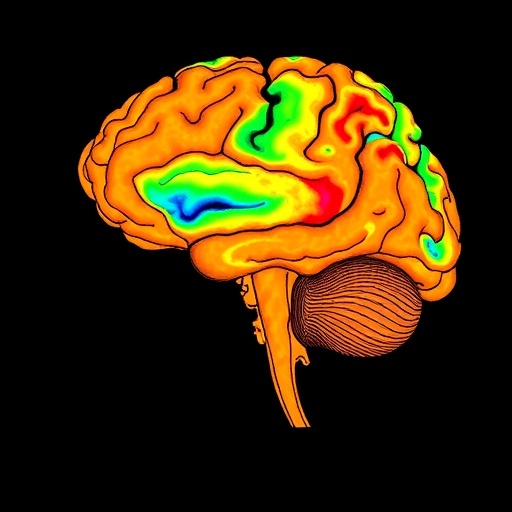
In recent years, the nexus between eating disorders and neurocognitive functions has garnered increasing attention within the scientific community. This intersection was vividly explored in a groundbreaking study conducted by Munguía, Granero, and Supit, published in the Journal of Eating Disorders in 2025. The researchers delved into the complexities of neurocognitive impairments observed in patients suffering from various eating disorders, focusing particularly on those with and without comorbid food addiction. Their findings provide vital insights into how cognitive function may play a role in the manifestation and severity of eating disorders, potentially guiding future therapeutic approaches.
Eating disorders, such as anorexia nervosa, bulimia nervosa, and binge-eating disorder, have long been recognized as multifactorial conditions influenced by biological, psychological, and social factors. However, the precise mechanisms that underpin these disorders, particularly regarding neurocognition, remain inadequately understood. The study conducted by Munguía and colleagues seeks to bridge this knowledge gap by investigating how cognitive deficits may be intertwined with the symptoms and challenges faced by those with eating disorders, especially when compounded by food addiction.
Neurocognitive impairments are generally characterized by deficits in areas such as attention, memory, executive function, and processing speed. These cognitive domains are integral to daily functioning and may significantly influence an individual’s ability to adhere to treatment regimens or make decisions related to food and eating behaviors. The study hypothesizes that patients with eating disorders and comorbid food addiction exhibit more pronounced neurocognitive impairments than those without food addiction, providing a compelling rationale for the research team’s inquiry.
Methodologically, the research includes a comprehensive assessment involving a variety of neurocognitive tests administered to participants across both groups. By employing standardized evaluation measures, the study aims to quantify deficits in cognitive functioning and establish a comparative framework between eating disorder patients with food addiction and those without. The methodology section underscores the robustness of the research design, which allows for a nuanced understanding of the complex interactions between cognitive functioning and eating disorder symptoms.
Additionally, the study presents enlightening correlations between specific neurocognitive deficits and different eating disorder presentations. For example, individuals with anorexia nervosa may display distinct cognitive impairments compared to those suffering from binge-eating disorder, hinting at the possible role of neurocognition in the etiology and expression of these disorders. As such, the implications for treatment are profound; therapeutic interventions may need to be tailored not only to address eating behaviors but also to consider cognitive rehabilitation as a central component of patient care.
Importantly, the findings suggest that neurocognitive impairments might not merely be a concomitant symptom but could actively contribute to the perpetuation of disordered eating behaviors. For instance, deficits in decision-making and impulse control may lead individuals to engage in harmful eating practices or to relapse after periods of recovery. This dynamic establishes a poignant reminder of how profoundly intertwined our cognitive faculties are with our behaviors, especially in the context of health and wellness.
Another aspect addressed in the study is the potential for early intervention strategies aimed at mitigating neurocognitive deficits among at-risk populations. By identifying individuals who display early signs of cognitive impairments, it may be possible to implement preventative measures that could guard against the development of more severe eating disorders or comorbid conditions. This forward-thinking approach advocates for a paradigm shift in how eating disorders are perceived and treated, emphasizing the importance of a preventative lens.
While the study provides robust evidence underscoring the connection between neurocognition and eating disorders, it also opens avenues for future research. The authors call for longitudinal studies that explore how neurocognitive functioning evolves over time in individuals with or without food addiction, elucidating the causal pathways involved. Such investigations could illuminate whether neurocognitive impairments arise as a result of disordered eating patterns, or if they predate and contribute to the onset of these behaviors.
Furthermore, the implications of this research extend beyond clinical settings. By enhancing public awareness about the cognitive dimensions of eating disorders, we can foster a broader understanding that challenges prevailing stereotypes about these conditions. The stigma surrounding eating disorders often centers on behavioral or aesthetic judgments rather than acknowledging the complex interplay of cognitive dysfunction. Therefore, public health strategies aimed at promoting mental well-being must encompass education on neurocognition and its relevance to eating behaviors.
In conclusion, the research conducted by Munguía, Granero, and Supit represents a pivotal exploration of the neurocognitive dimensions of eating disorders, particularly in patients with food addiction. Their findings not only underscore the significance of cognitive impairments in understanding these complex conditions but also reveal potential avenues for innovative treatment approaches. As we move forward, continued exploration into the neurocognitive facets of eating disorders will be essential in refining therapeutic interventions and enhancing the overall understanding of these multifaceted conditions.
Strong attention to the neurocognitive impairments associated with eating disorders signals a transformative shift within the field of eating disorder research. As clinicians and researchers reflect on the implications of these findings, the hope is that a more integrated understanding will emerge—one that advocates for comprehensive interventions encompassing both cognitive rehabilitation and traditional eating disorder treatments. In doing so, we may not only hope to alleviate the burden of eating disorders but also enhance the quality of life for countless individuals grappling with these challenging conditions, heralding a new era in the management and understanding of eating disorders.
Subject of Research: Neurocognitive impairments in patients with eating disorders
Article Title: Neurocognitive impairments in eating disorders patients with and without comorbid food addiction
Article References:
Munguía, L., Granero, R., Supit, K. et al. Neurocognitive impairments in eating disorders patients with and without comorbid food addiction. J Eat Disord (2025). https://doi.org/10.1186/s40337-025-01494-6
Image Credits: AI Generated
DOI: 10.1186/s40337-025-01494-6
Keywords: Eating Disorders, Neurocognition, Food Addiction, Cognitive Impairments, Treatment Strategies.
Tags: attention and memory in eating disordersbinge-eating disorder and cognitioncognitive function in bulimia nervosaCognitive impairments in eating disordersexecutive function and food addictionfood addiction and neurocognitioninterplay of cognition and eating behaviorsmultifactorial causes of eating disordersneurocognitive deficits in anorexia nervosaprocessing speed in eating disordersresearch on neurocognition and eating disorders.therapeutic approaches for eating disorders