


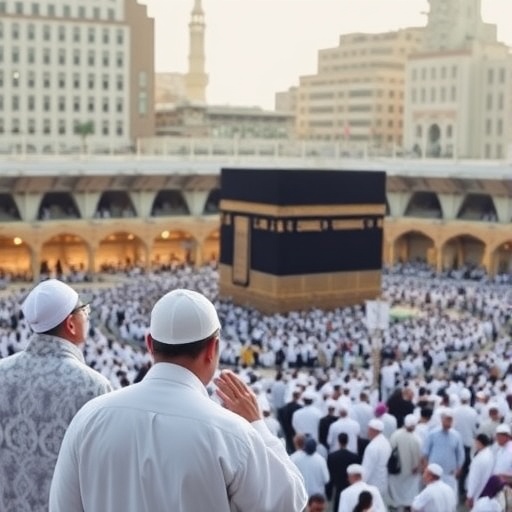
Hajj, the annual Islamic pilgrimage to Mecca, is one of the largest gatherings of people from diverse backgrounds and cultures worldwide. While millions of pilgrims embark on this spiritual journey each year, recent studies have illuminated an alarming issue regarding the cognitive health of older adults who participate in this significant event. Specifically, a cross-sectional study led by Alkhotani, Obaid, and Hariri has revealed a concerning prevalence of cognitive impairment among older pilgrims during Hajj. This article delves deep into the implications of their findings, which could reshape the approach to health care and support for elderly pilgrims.
The researchers conducted a comprehensive analysis, utilizing a robust methodology to assess cognitive function among older pilgrims aged 60 years and above who attended Hajj. They employed standardized cognitive assessment tools to evaluate participants’ mental states, aiming to identify not just the prevalence of impairment but also its associated factors. The study’s rigorous design provides valuable insights into the intersection of religious practices and cognitive health, especially among vulnerable populations.
Cognitive impairment, which encompasses conditions such as dementia and a decline in overall mental faculties, poses a significant challenge for the aging population. The study found that a substantial proportion of older pilgrims exhibited signs of cognitive decline, which raises critical questions about the healthcare provisions available during the pilgrimage. Traditional supports may not be adequately equipped to address the intricate needs of this demographic, particularly in high-stress environments like the Hajj.
One of the most striking findings of the study was the correlation between environmental factors and cognitive health. The Hajj experience is notoriously taxing, with extreme weather conditions, vast crowds, and significant physical exertion. These variables can exacerbate pre-existing conditions or contribute to the onset of cognitive decline. For older adults, who may already be at increased risk for such issues, the pilgrimage can pose unique challenges that require tailored interventions to ensure their safety and wellbeing.
The study also examined the role of social support networks among pilgrims, revealing that those accompanied by family members or caregivers demonstrated better cognitive outcomes compared to those who ventured alone. This highlights the importance of social connectivity, not only in enhancing the pilgrimage experience but also in safeguarding mental health during periods of stress and adjustment.
Moreover, accessibility to healthcare services during the Hajj is another crucial factor discussed in the study. Despite the presence of medical facilities, there is an ongoing debate about whether these resources are adequately prepared to handle the influx of vulnerable individuals who may require immediate medical attention. The researchers emphasized the need for more comprehensive health strategies that can cater specifically to the needs of older pilgrims, ensuring timely intervention and support.
Additionally, nutrition plays a vital role in maintaining cognitive function, especially for older adults. The study indicated that dietary habits among pilgrims could significantly impact their cognitive health during the pilgrimage. Adequate hydration, balanced meals, and the availability of nutritious food options are essential not only for physical stamina but also for mental clarity. Ensuring access to suitable nutrition throughout the Hajj could mitigate some of the cognitive risks identified in the study.
In light of their findings, the authors call for healthcare providers and policymakers to actively engage in developing tailored programs aimed at protecting the cognitive health of older pilgrims. These initiatives could include pre-Hajj health assessments, continuous support throughout the pilgrimage, and strategies for post-Hajj follow-ups to monitor cognitive health.
Public health campaigns that focus on educating both pilgrims and their families about the risks associated with cognitive impairment during Hajj may prove beneficial. Such campaigns could promote awareness of the symptoms of cognitive decline and encourage immediate reporting to health professionals if concerns arise.
The implications of the study extend beyond the realm of pilgrimage; they spotlight a broader issue regarding how societal practices impact the health of older adults. As populations continue to age globally, understanding the nuances of such experiences becomes increasingly important, providing critical data to inform health care systems and societal structures.
Finally, the findings also raise essential ethical questions about the responsibilities of religious organizations and healthcare systems in safeguarding the health of their vulnerable congregants. As the Hajj continues to attract millions of participants, a collective effort is paramount to ensure that spiritual journeys do not come at the expense of physical and mental well-being. By prioritizing cognitive health, the faithful can be empowered to embark on their journeys with confidence and support.
In summary, the study led by Alkhotani, Obaid, and Hariri serves as a crucial reminder of the intersection between faith and health. As we honor the spiritual significance of Hajj, it is equally imperative to address the health care challenges that accompany this pilgrimage, especially for older adults. Ensuring that every pilgrim returns home not only spiritually fulfilled but also mentally and physically secure should be a communal responsibility that transcends international borders and organizational boundaries.
Subject of Research: Cognitive impairment among older adults during Hajj pilgrimage.
Article Title: Cognitive impairment among older adults’ pilgrims during Hajj: a cross-sectional study of prevalence and associated factors.
Article References:
Alkhotani, A.M.A., Obaid, M.S., Hariri, N.H. et al. Cognitive impairment among older adults’ pilgrims during Hajj: a cross-sectional study of prevalence and associated factors.
BMC Geriatr 25, 988 (2025). https://doi.org/10.1186/s12877-025-06690-2
Image Credits: AI Generated
DOI: https://doi.org/10.1186/s12877-025-06690-2
Keywords: Cognitive impairment, older adults, Hajj, pilgrimage, health care, social support, nutrition.
Tags: cognitive assessment among elderly pilgrimscognitive function evaluation in older populationscognitive impairment in older adultscomprehensive analysis of cognitive health in seniorsdementia risk factors for older pilgrimsHajj pilgrimage and cognitive healthhealth care support for elderly pilgrimshealth interventions for aging pilgrimsimplications of cognitive impairment for elderly travelersmental health challenges during Hajjprevalence of cognitive decline in seniorsreligious practices and mental health



