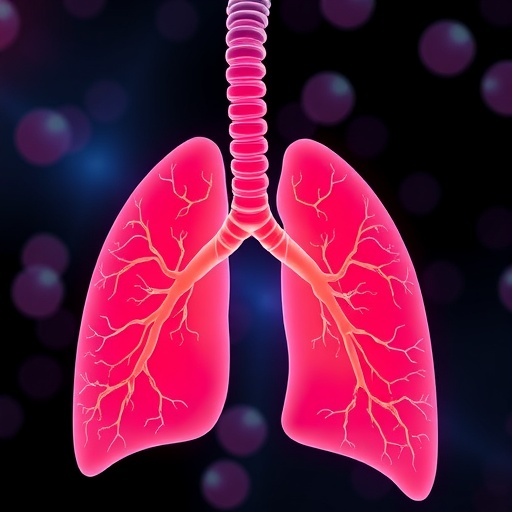
In a groundbreaking study published in Pediatric Research, researchers J. Gilley and B. Shivanna have unveiled a compelling link between cobalamin C deficiency and unexplained pediatric pulmonary hypertension (PPH), shedding new light on a perplexing clinical mystery that has long challenged pediatricians and pulmonologists alike. This discovery not only provides critical insights into the pathophysiology of a devastating condition in children, but it also paves the way for novel diagnostic and therapeutic approaches that could revolutionize management of pediatric patients suffering from unexplained pulmonary hypertension.
Pulmonary hypertension in children is a rare but serious disorder characterized by elevated blood pressure in the pulmonary arteries, leading to strain on the right side of the heart and progressive heart failure. Despite extensive clinical workups, a substantial subset of pediatric pulmonary hypertension cases remains idiopathic or unexplained, stymieing efforts to improve outcomes and tailor effective treatments. The new research brings attention to an underrecognized metabolic factor—cobalamin C (cblC) deficiency—that may underlie some of these enigmatic cases.
Cobalamin C deficiency is a genetic metabolic disorder affecting the intracellular processing of vitamin B12 (cobalamin), which is essential for DNA synthesis, red blood cell formation, and neurological function. Unlike dietary cobalamin deficiency, cblC deficiency disrupts the conversion of vitamin B12 into its active forms—methylcobalamin and adenosylcobalamin—which are crucial cofactors in fundamental metabolic pathways such as the remethylation of homocysteine to methionine and the catabolism of methylmalonic acid. Mutations in the MMACHC gene are the known cause of this autosomal recessive disorder, resulting in accumulation of toxic metabolites and multi-organ damage.
The study meticulously analyzes clinical data, metabolic profiling, and molecular diagnostics of pediatric patients presenting with unexplained pulmonary hypertension. Intriguingly, a significant proportion of these children exhibited biochemical hallmarks of cblC deficiency, including elevated plasma homocysteine and methylmalonic acid levels, despite lacking overt classic symptoms commonly associated with the disorder. This subtle metabolic disturbance was previously underappreciated as a cause of pulmonary vascular pathology.
Mechanistically, the researchers propose that impaired cobalamin metabolism leads to endothelial dysfunction, oxidative stress, and abnormal vascular remodeling in pulmonary arteries—a cascade culminating in elevated pulmonary arterial pressure. Elevated homocysteine itself is recognized as a prothrombotic and proinflammatory agent that damages vascular endothelium, further contributing to the pathogenesis of pulmonary hypertension. Moreover, the absence of proper methylation reactions may disrupt gene regulatory networks critical to vascular homeostasis.
Importantly, the researchers highlight that conventional diagnostic panels for pulmonary hypertension rarely include metabolic screening for cobalamin C deficiency, contributing to underdiagnosis and delayed treatment. Early identification of cblC deficiency allows for targeted therapy, such as hydroxocobalamin injections, betaine supplementation, and supportive metabolic interventions, which can arrest progression and potentially reverse pulmonary hypertension. This is a major clinical advancement, emphasizing the necessity of incorporating metabolic evaluation into the diagnostic algorithm for pediatric pulmonary hypertension.
The implications of these findings extend beyond the immediate clinical sphere, prompting a reevaluation of how metabolic disorders intersect with cardiovascular disease in children. It challenges existing paradigms that view pulmonary hypertension primarily through the lens of congenital heart defects, idiopathic vasculopathies, or secondary causes, instead recognizing that subtle inherited metabolic errors can exert profound vascular effects.
Furthermore, this study underscores the vital importance of precision medicine in pediatric cardiology and pulmonology—the tailoring of diagnostic and therapeutic approaches based on individual genetic and biochemical profiles. By unraveling the molecular underpinnings of this subset of pediatric pulmonary hypertension, clinicians can now move from symptomatic management toward etiology-specific, mechanism-based care, improving prognosis and quality of life for affected children.
The research team calls for widespread awareness and education among health care providers regarding the link between cobalamin C deficiency and pediatric pulmonary hypertension. This includes advocating for routine metabolic screening in unexplained PPH cases and integrating genetic counseling and family screening due to the hereditary nature of the disorder. Early intervention strategies can thus be implemented not only for affected children but also for at-risk siblings.
From a scientific standpoint, the study opens new avenues for exploring the interplay between metabolic dysregulation and vascular pathology. Future research directions may involve experimental models to delineate precise signaling pathways disrupted by cobalamin deficiency in pulmonary endothelial cells, as well as clinical trials assessing the efficacy of metabolic therapies in reversing or preventing pulmonary hypertension progression in cblC-deficient patients.
Advanced molecular diagnostic tools such as next-generation sequencing and tandem mass spectrometry emerge as critical components for identifying subtle metabolic anomalies that evade standard clinical testing. These technologies facilitate early and accurate diagnosis, enabling personalized treatment plans that improve survival and decrease the burden of chronic disease in pediatric populations.
Moreover, the identification of cblC deficiency as a modifiable risk factor for pulmonary hypertension calls for interdisciplinary collaboration among geneticists, cardiologists, pulmonologists, and metabolic specialists to optimize patient outcomes. This collaborative approach exemplifies modern translational medicine, bridging laboratory discoveries with bedside care.
Importantly, this discovery may have implications for adult populations as well, given that late-onset or mild forms of cblC deficiency can manifest beyond childhood. It raises questions about whether undiagnosed cobalamin metabolism defects contribute to adult pulmonary hypertension cases, underscoring the need for further investigation across age groups.
In conclusion, Gilley and Shivanna’s pioneering study fundamentally reshapes our understanding of pediatric pulmonary hypertension by revealing an unsuspected metabolic cause rooted in cobalamin C deficiency. Their findings represent a paradigm shift—transforming a disease once deemed idiopathic into one with a definable genetic and biochemical basis amenable to targeted intervention. This groundbreaking work not only delivers hope to affected children and families but also heralds a new era in precision cardiovascular medicine where genetic and metabolic profiling become standard components of comprehensive care.
Subject of Research: Pediatric pulmonary hypertension in relation to cobalamin C deficiency.
Article Title: The relationship between cobalamin C deficiency and unexplained pediatric pulmonary hypertension.
Article References:
Gilley, J., Shivanna, B. The relationship between cobalamin C deficiency and unexplained pediatric pulmonary hypertension. Pediatr Res (2026). https://doi.org/10.1038/s41390-026-04899-4
Image Credits: AI Generated
DOI: https://doi.org/10.1038/s41390-026-04899-4
Tags: cobalamin C deficiency in pediatric pulmonary hypertensioncobalamin C deficiency symptoms and diagnosisgenetic causes of pediatric pulmonary hypertensiongenetic metabolic disorders affecting pulmonary arteriesimpact of cobalamin C deficiency on heart functionmetabolic disorders and lung disease in childrenmetabolic factors in pediatric heart diseasenovel diagnostic methods for pulmonary hypertensionpediatric pulmonology research breakthroughstherapeutic approaches for cobalamin C deficiencyunexplained pediatric pulmonary hypertension causesvitamin B12 metabolic disorders in pediatrics