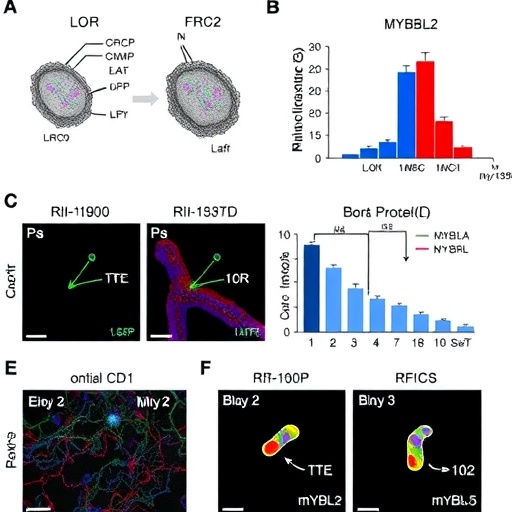
Recent research has illuminated the role of circular RNAs (circRNAs) in the intricate tapestry of gene regulation, particularly within the realm of oncology. A pivotal study conducted by Liu et al. delineated the specific mechanisms by which the circular RNA known as circMYBL2 influences ovarian cancer progression. Through an innovative examination of the miR-195-5P/BIRC5 axis, researchers uncovered a novel pathway that may provide critical insights into therapeutic strategies for combating this formidable disease.
Ovarian cancer is notorious for its aggressive nature and vague symptoms, often leading to late-stage diagnosis when treatment options are limited. The study spearheaded by Liu and colleagues brings to light the significance of understanding how specific RNA molecules can alter the behavior of cancer cells. CircMYBL2, a type of non-coding RNA, emerges as a key player in this context, offering a new perspective on how genetic material can transcend traditional linear configurations.
The researchers utilized a combination of molecular biology techniques to dissect the functionality of circMYBL2. Through the application of RNA pull-down assays and luciferase reporter assays, they established that circMYBL2 serves as a sponge for the microRNA miR-195-5P. This interaction is crucial, as miR-195-5P is known to be a tumor suppressor that, when inhibited, can lead to enhanced tumorigenic properties in ovarian cancer cells. The identification of this regulatory mechanism underscores the potential of circRNAs as central figures in cancer biology.
As the study progressed, the researchers turned their focus towards the downstream effects of miR-195-5P inhibition. They hypothesized that the loss of this microRNA would lead to the upregulation of its target, BIRC5, which encodes for Survivin. Known for its roles in inhibiting apoptosis and promoting cell proliferation, BIRC5’s elevation provides a fertile environment for tumor growth and metastasis in ovarian cancer. The clear delineation of the circMYBL2/miR-195-5P/BIRC5 pathway opens up a floodgate of possibilities for targeted interventions that may obstruct this malignant cascade.
The use of in vitro models demonstrated a marked increase in cell proliferation and migration upon circMYBL2 overexpression. These results were corroborated by in vivo experiments utilizing xenograft models, where silencing circMYBL2 led to reduced tumor growth. Interestingly, this effect was closely linked to the restoration of miR-195-5P levels, effectively reinstating its regulatory control over BIRC5 expression and subsequently impairing cancer cell dynamics. These findings are revolutionary, suggesting that targeting circMYBL2 could provide dual benefits by reactivating tumor-suppressive pathways.
Moreover, the implications of this research extend beyond mere academic interest; they raise hopes for developing novel therapeutic strategies. The potential to design small molecules or RNA-based therapies aimed at modulating circMYBL2 expression could represent a significant advancement in ovarian cancer treatment. As the scientific community continues to unravel the complexities of circRNAs, further exploration into their roles in various cancers could unveil an entire arsenal of therapeutic possibilities.
The study also emphasizes the need for precision medicine tailored to the molecular underpinnings of individual tumors. Ovarian cancer is not a monolithic entity but encompasses a range of subtypes with distinct genetic and epigenetic landscapes. The insight gained from understanding the circMYBL2 axis could aid in the stratification of patients, leading to personalized treatment regimens that target the unique molecular signatures present in their tumors.
Additionally, the findings from Liu et al. contribute to the burgeoning field of RNA-based therapeutics, which has gained momentum due to the successes seen with mRNA vaccines during the COVID-19 pandemic. The prospect of harnessing circRNAs like circMYBL2 in therapeutic applications could herald a new chapter in cancer treatment. By specifically targeting the regulatory networks governed by such non-coding RNAs, researchers could improve efficacy while minimizing off-target effects associated with conventional therapies.
However, challenges remain in translating these findings from bench to bedside. The biological complexity of RNA interactions necessitates a thorough understanding of the broader RNA landscape within cells. Researchers must further dissect the regulatory networks within which circMYBL2 operates to optimize therapeutic approaches and predict potential resistance mechanisms. Ongoing studies that explore the interactions of circRNAs with other RNA species and proteins will be vital in this endeavor.
Ultimately, Liu and their team’s discovery regarding circMYBL2 and its role in ovarian cancer progression is not just a milestone in cancer research; it is a clarion call for the integration of circRNA studies into the mainstream conversation about therapeutic development. The need for innovative approaches to cancer treatment is more pressing than ever, and as the landscape of molecular biology evolves, circRNAs are poised to take center stage.
In conclusion, the research conducted by Liu et al. encapsulates a significant advancement in our understanding of ovarian cancer biology. By elucidating the regulatory influence of circular RNA circMYBL2 via the miR-195-5P/BIRC5 axis, this study opens new avenues for exploring targeted therapies that could revolutionize treatment for ovarian cancer patients. The implications of these findings resonate far beyond the laboratory, potentially transforming clinical practices and enriching the lives of those affected by this pernicious disease.
As scientific inquiry continues to unveil the intricacies of genetic regulation within cancer, the integration of circRNAs into therapeutic paradigms represents a beacon of hope. The journey from basic research to clinical application may be fraught with challenges, but the progress made by Liu and colleagues is undeniably a step in the right direction.
Subject of Research: Circular RNA circMYBL2 in ovarian cancer progression
Article Title: Circular RNA circMYBL2 regulates the progression of ovarian cancer through miR-195-5P/BIRC5 axis
Article References: Liu, B., Fan, Y., Lv, C. et al. Circular RNA circMYBL2 regulates the progression of ovarian cancer through miR-195-5P/BIRC5 axis. J Ovarian Res (2025). https://doi.org/10.1186/s13048-025-01946-2
Image Credits: AI Generated
DOI: 10.1186/s13048-025-01946-2
Keywords: Circular RNA, circMYBL2, ovarian cancer, miR-195-5P, BIRC5, tumorigenesis, targeted therapy, molecular regulation, RNA therapeutics.
Tags: circMYBL2 role in ovarian cancercircular RNA in oncologygene regulation in cancerinnovative cancer research methodologieslate-stage ovarian cancer diagnosisluciferase reporter assays applicationmiR-195-5P BIRC5 interactionnon-coding RNA functionsovarian cancer progression mechanismsRNA pull-down assays in researchtherapeutic strategies for ovarian cancertumor suppressor microRNAs