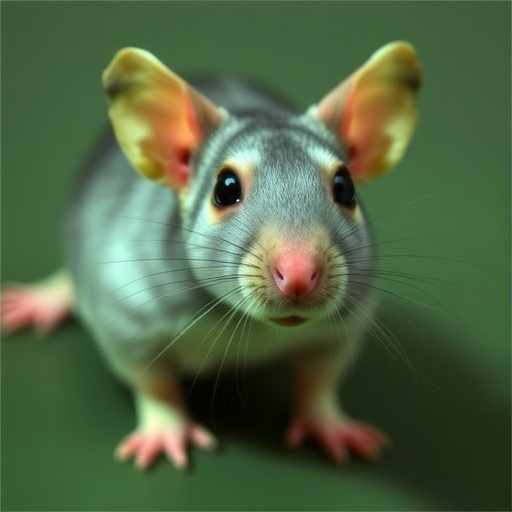
In a groundbreaking new study published in the prestigious journal Acta Parasitologica, researchers led by S.N. El-Beshbishi and colleagues have illuminated the profound effects of chronic toxoplasmosis on the intricate gonadotropic-gonadal axis in male rats. This investigation pushes the boundaries of our understanding concerning how a prevalent parasitic infection intricately disturbs hormonal regulation critical for reproductive health. Chronic toxoplasmosis, caused by the intracellular protozoan parasite Toxoplasma gondii, is notorious for its latent, often asymptomatic infection in intermediate hosts. However, its subtle physiological impacts, especially on the endocrine system governing reproduction, have long remained elusive until now.
This study meticulously explored the cascade of hormonal disruptions triggered by persistent T. gondii infection, focusing on the dynamic interplay between the hypothalamus, pituitary gland, and gonads—collectively known as the hypothalamic-pituitary-gonadal (HPG) axis. The HPG axis orchestrates the release of gonadotropins, luteinizing hormone (LH), and follicle-stimulating hormone (FSH), which subsequently regulate testosterone synthesis and spermatogenesis in male mammals. Any perturbations in this axis can lead to profound repercussions on fertility, sexual behavior, and overall hormonal homeostasis. By employing a robust experimental model using male rats chronically infected with T. gondii, the researchers were able to dissect the nuanced endocrinological impairments imposed by this parasite.
The team utilized a combination of biochemical assays, hormonal profiling, and histopathological analyses to unveil the comprehensive impact of chronic toxoplasmosis on the gonadotropic-gonadal system. Their results revealed a dramatic downregulation in serum testosterone levels accompanied by significant alterations in circulating LH and FSH concentrations, signifying a disruption in feedback mechanisms essential for maintaining endocrine equilibrium. The diminished testosterone production suggests not only impaired Leydig cell function in the testes but also potential hypothalamic dysfunction affecting gonadotropin-releasing hormone (GnRH) secretion. This multifaceted disturbance underscores the parasite’s capability to provoke systemic hormonal dysregulation far beyond localized infection.
Intriguingly, the histological examination of testicular tissue in infected rats exposed marked degeneration of seminiferous tubules and reduced spermatogenic activity. These structural impairments correlate with the hormonal findings, painting a grim picture of compromised male fertility induced by chronic parasitic invasion. The inflammatory response elicited within the testes appears to exacerbate tissue damage, further hindering normal glandular function. This aspect introduces a complex interaction between immune-mediated pathology and endocrinological disturbances as a hallmark of chronic toxoplasmosis.
The implications of these findings are profound, as they suggest chronic toxoplasmosis could be an underrecognized factor contributing to male reproductive disorders. While the parasite is widespread across many species, including humans, the silent endocrine sabotage it performs may manifest subtly, culminating in fertility challenges or altered sexual health. Given the high prevalence of latent toxoplasmosis in human populations worldwide, these insights necessitate urgent attention towards screening and therapeutic strategies aimed at mitigating long-term reproductive consequences.
Beyond reproductive health, this study prompts a broader reconsideration of how chronic parasitic infections might influence neuroendocrine function. The hypothalamus and pituitary gland are exquisitely sensitive to inflammatory mediators and infection-induced stress, which could disrupt neurohormonal signaling pathways beyond the gonadotropic axis. The observed hormonal irregularities could thus presage broader systemic effects, including mood disorders, metabolic dysregulation, and altered behavior, given the pivotal role of sex steroids in brain function.
Methodologically, the study stands out for its comprehensive approach integrating endocrinology, parasitology, and histology. By employing state-of-the-art hormonal assays alongside detailed tissue examinations, the researchers succeeded in correlating biochemical markers with morphological outcomes. Such interdisciplinary synergy strengthens the validity of their conclusions, offering a holistic view of disease pathogenesis rather than isolated symptomatology.
Equally important is the model organism choice—male rats represent a highly relevant system, given their similarity to human reproductive endocrinology. This increases the translational potential of the findings, hinting that chronic toxoplasmosis might similarly affect human males, especially those with latent infections remaining undiagnosed for years. Future clinical investigations will be imperative to validate these experimental observations in human cohorts.
The study also sparks curiosity about the potential reversibility of these endocrine impairments. Could pharmacological interventions targeting parasite load or inflammation restore gonadal function? Or are these tissue and hormonal derangements permanent once the chronic phase is established? Addressing these questions will pave the way toward effective management of toxoplasmosis-related reproductive disorders and improve the quality of life for affected individuals.
Moreover, these revelations advocate for increased awareness of parasitic infections in the broader context of male health. Historically, toxoplasmosis has been predominantly studied for its neurological and immunological impacts, particularly in immunocompromised patients and during pregnancy. This investigation boldly redirects focus toward a novel domain—endocrine disruption—thereby expanding the clinical significance of this common infection.
Intriguingly, the study also unjustly challenges preconceived notions of toxoplasmosis being a mere latent infection with minimal consequence. Instead, it underscores an active, ongoing pathology with systemic ramifications, highlighting the need for comprehensive diagnostic and therapeutic frameworks that extend beyond acute symptoms. Such an approach demands interdisciplinary collaboration among parasitologists, endocrinologists, and reproductive medicine specialists.
In summary, this pioneering research eloquently demonstrates that chronic toxoplasmosis profoundly disrupts the gonadotropic-gonadal axis in male rats, leading to significant hormonal imbalances and testicular pathology. These findings open new avenues for understanding the silent yet insidious impact of parasitic infections on male reproductive health. As global infection rates remain high, unraveling these subtle but consequential interactions becomes paramount to formulating effective prevention and treatment strategies.
The study’s revelations may revolutionize how healthcare providers approach latent parasitic infections and their hidden burdens, potentially leading to breakthroughs in diagnosing unexplained infertility and hormonal deficiencies. By shining a spotlight on the endocrine consequences of T. gondii, this research inspires a paradigm shift in infectious disease biology—one that integrates parasitology with endocrinology and reproductive medicine to uncover deeper truths about host-pathogen interactions.
Future research trajectories are poised to investigate molecular mechanisms underpinning these hormonal disruptions, potential genetic susceptibility factors, and therapeutic avenues to counteract or reverse endocrine damage. This integrative focus will undoubtedly propel forward the frontier of knowledge surrounding Toxoplasma gondii, transforming it from a neglected parasite to a critical player in male reproductive health.
With such profound insights emerging, the scientific community eagerly anticipates subsequent studies that translate these animal model discoveries into clinical practice. Ultimately, this work highlights that confronting chronic parasitic infections requires a nuanced appreciation of their multifaceted impacts, encompassing not only overt infectious sequelae but also subtle endocrine and reproductive dysfunctions previously overlooked.
Subject of Research: Chronic toxoplasmosis and its impact on the hypothalamic-pituitary-gonadal axis in male rats.
Article Title: The Impact of Chronic Toxoplasmosis on the Gonadotropic Gonadal Axis in Male Rats
Article References:
El-Beshbishi, S.N., Awad, S.I., Almeniar, E.F. et al. The Impact of Chronic Toxoplasmosis on the Gonadotropic Gonadal Axis in Male Rats. Acta Parasit. 71, 3 (2026). https://doi.org/10.1007/s11686-025-01185-x
Image Credits: AI Generated
DOI: https://doi.org/10.1007/s11686-025-01185-x
Tags: Acta Parasitologica study findingschronic infection physiological impactschronic toxoplasmosis effectsendocrine system and fertilityfertility and sexual behaviorgonadotropins and testosterone synthesishormonal regulation disruptionhypothalamic-pituitary-gonadal axismale rat reproductive healthparasitic infection and reproductive healthspermatogenesis in male mammalsToxoplasma gondii infection