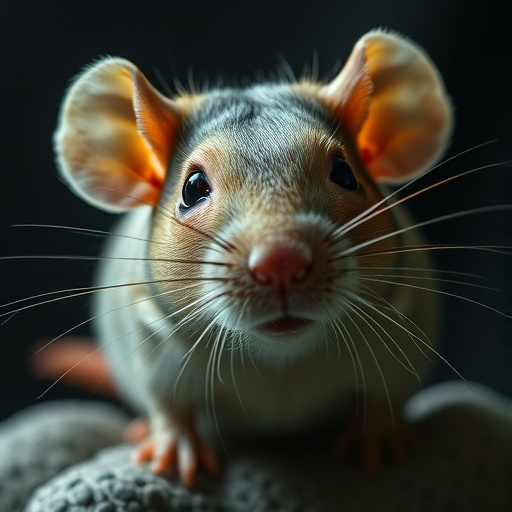
Chronic stress, an often underappreciated enemy of human health, has a profound impact on the body beyond mere psychological effects. Recent groundbreaking research demonstrates that persistent stress can trigger destabilization in critical biological processes, particularly in the reproductive systems of mammals. This research, conducted on rat models, delves into the effects of chronic stress on ectoplasmic specialization dynamics, revealing potential pathways through which stress may undermine reproductive health in both animals and humans. The study channels a detailed inquiry into the molecular mechanisms driving these changes, emphasizing the importance of understanding the biological response to stress.
Ectoplasmic specialization is a form of cellular interaction that plays a pivotal role in maintaining the integrity and functionality of the testis, especially in supporting spermatogenesis—the process of sperm cell development. It acts as a site of adhesion where germ cells and Sertoli cells interact, ensuring that germ cell maturation proceeds seamlessly. The stability and functionality of these specializations are critical for male fertility, a point that emphasizes the relevance of studying the impacts of chronic stress on these integral processes.
The research led by Dubey and Kushwaha sheds light on the profound effects of stress on the ectoplasmic specialization dynamics within the rat testis. By applying a chronic stress model, the study observed significant alterations in the structural integrity of ectoplasmic specialization, hinting at a potentially damaging cascade of events that could lead to impaired fertility. This observation serves as a clarion call, raising awareness about the hidden effects of stress that extend into the realm of reproductive health.
A crucial aspect explored in this study relates to the Focal Adhesion Kinase (FAK)-associated protein complex, which plays a critical role in mediating cellular adhesion and signaling pathways. Chronic stress appears to downregulate the FAK-associated protein complex, thereby disrupting the delicate balance necessary for ectoplasmic specialization. Such alterations can trigger a series of cellular events that compromise the primary functions of Sertoli cells, potentially leading to reduced sperm production and compromised fertility.
The findings from this study could have significant implications for understanding fertility issues in humans, as many individuals face chronic stress in their daily lives without fully appreciating the biological repercussions it may have. By uncovering the relationship between stress and ectoplasmic specialization, the research draws a compelling connection between lifestyle factors and reproductive health, emphasizing the need for further exploration into how stress management could become an integral part of fertility treatment strategies.
Further investigations inspired by this study could examine potential interventions that may mitigate the negative effects of chronic stress on reproduction. Understanding the underlying mechanisms provides a foundation upon which therapeutic options could be developed. These might include psychological interventions aimed at stress reduction, thereby potentially preserving reproductive health among those affected by chronic stress.
Additionally, the findings prompt important discussions within the scientific community regarding the broader implications of environmental and psychological stressors on biology. It encourages researchers to take a holistic view when studying reproductive health and consider how external factors such as stressors may interact with biological processes.
Another intriguing angle from the study involves the possibility of these findings contributing to advancements in reproductive medicine. By acknowledging the role of stress in reproductive health, clinicians may shift their focus towards comprehensive treatment plans that involve not only medical interventions but also psychological support systems, fostering a more rounded approach to fertility issues.
As the scientific community continues to unravel the complexities of stress and its biological implications, studies such as this one will provide valuable insights into the biological underpinnings of reproduction. The threats posed by chronic stress could serve as a catalyst for conversations about mental health, lifestyle choices, and their importance in maintaining overall health.
Taking into consideration the study’s implications, public health initiatives may also begin to reflect a more comprehensive understanding of stress management as essential for reproductive health. Engaging communities in discussions around balancing stress while promoting mental well-being is a step forward in health education.
In summary, the research presented by Dubey and Kushwaha highlights a crucial intersection between chronic stress and reproductive biology. As we navigate an increasingly stressful world, the need to prioritize mental health becomes apparent, not just for emotional well-being, but for physical health as well. Future research will undoubtedly build upon these findings, possibly unraveling more connections between stress and various biological systems, enriching our understanding and approach to health and well-being.
The study ultimately serves as a reminder that while we often focus on visible stressors, the unseen ramifications can extend deep into our biology, influencing processes that we may overlook. Therefore, recognizing the importance of managing stress should become integral to discussions about health, fertility, and overall well-being.
As further studies explore these connections, it is hoped that more robust frameworks and guidelines surrounding stress management and reproductive health will emerge, providing individuals with the tools necessary to combat the unseen impacts of stress and safeguard their fertility.
With a deeper understanding of how chronic stress impacts biological systems, we enter a new era of potential treatments and preventative measures that could ultimately enhance reproductive health and improve the quality of life for many.
The implications are vast and beckon for an interdisciplinary approach to health that includes not only medical professionals but also mental health experts, lifestyle coaches, and community advocates all working together to provide holistic care that addresses the multifaceted nature of stress and its effects on health.
In conclusion, as we digest the findings of this research, the intricacies of chronic stress, ectoplasmic specialization, and reproductive health illuminate the urgent need for a comprehensive understanding of how we manage stress in our daily lives. The science of stress is still unfolding, and research like this paves the way for innovative solutions.
Subject of Research: The impact of chronic stress on ectoplasmic specialization dynamics in the rat testis and its implications for reproductive health.
Article Title: Chronic Stress Destabilizes Ectoplasmic Specialization Dynamics in the Rat Testis via Downregulating the Focal Adhesion Kinase-Associated Protein Complex.
Article References: Dubey, I., Kushwaha, S. Chronic Stress Destabilizes Ectoplasmic Specialization Dynamics in the Rat Testis via Downregulating the Focal Adhesion Kinase-Associated Protein Complex. Reprod. Sci. (2026). https://doi.org/10.1007/s43032-025-02025-z
Image Credits: AI Generated
DOI: https://doi.org/10.1007/s43032-025-02025-z
Keywords: Chronic Stress, Ectoplasmic Specialization, Reproductive Health, Focal Adhesion Kinase, Fertility, Rat Testis.
Tags: biological response to chronic stresscellular interactions in testischronic stress and male fertilitychronic stress effects on reproductive healthectoplasmic dynamics in mammalsimplications of stress on germ cellsmale fertility and stressmolecular mechanisms of stress impactrat testis ectoplasmic specializationspermatogenesis and stressstress research in animal modelsstress-induced reproductive dysfunction