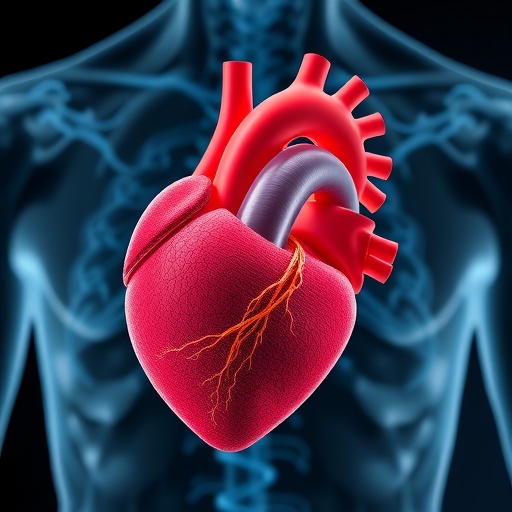

In the evolving landscape of cardiovascular medicine, heart revascularization stands as a life-saving intervention aimed at restoring blood flow to ischemic myocardial tissue. This procedure, while primarily focused on alleviating ischemia, initiates a complex cascade of systemic metabolic and transcriptional shifts, particularly affecting lipid metabolism pathways. A recent pilot study published in BioMedical Engineering OnLine delves into the nuanced molecular aftermath of heart revascularization, unearthing critical alterations in cholesterol homeostasis that may redefine post-operative recovery paradigms.
Traditionally, the success of revascularization procedures has been gauged through improvements in myocardial perfusion and symptomatic relief. However, the metabolic reverberations initiated by the intervention remain inadequately understood. By leveraging high-throughput RNA sequencing (RNA-seq) technology, researchers have begun to map the transcriptional landscape reshaped by revascularization, with a spotlight on genes orchestrating cholesterol biosynthesis and lipid remodeling processes.
This exploratory study analyzed RNA-seq data derived from a tightly controlled cohort comprising four patients who received heart revascularization and five matched controls from the Qatar Biobank (QBB). The selection of QBB samples provided a unique resource blending genetic, clinical, and molecular data, offering an unprecedented window into post-revascularization metabolic adjustments. Through rigorous differential gene expression analysis, the study identified thirteen genes exhibiting significant dysregulation related to cholesterol management.
.adsslot_mgzn6OT2tl{width:728px !important;height:90px !important;}
@media(max-width:1199px){ .adsslot_mgzn6OT2tl{width:468px !important;height:60px !important;}
}
@media(max-width:767px){ .adsslot_mgzn6OT2tl{width:320px !important;height:50px !important;}
}
ADVERTISEMENT
Among these, remarkable attention was drawn to the genes ABCG1, EBP, and LPCAT3, each playing indispensable roles in maintaining lipid equilibrium and membrane integrity. The ATP-binding cassette transporter ABCG1 is instrumental in cholesterol efflux from macrophages, mitigating foam cell formation and atherosclerosis progression. The observed downregulation of ABCG1 post-revascularization raises compelling questions about potential vulnerabilities to lipid accumulation during recovery phases. Similarly, EBP (Emopamil-binding protein), central to sterol isomerization in the cholesterol biosynthesis pathway, showed decreased expression, hinting at possible disruptions in endogenous cholesterol synthesis. Downregulation of LPCAT3, responsible for phospholipid remodeling, suggests altered membrane lipid composition, which could have implications for cell signaling and inflammatory responses.
Beyond individual gene dynamics, the study executed pathway enrichment and Gene Ontology analyses, revealing broader perturbations in sterol metabolism and lipid remodeling cascades. These findings shed light on a systemic metabolic reprogramming that extends beyond myocardial tissue, potentially influencing both local cardiac and systemic vascular environments during post-revascularization recovery. The integrative approach adopted by the researchers underscores the interconnected nature of lipid metabolism and cardiovascular repair mechanisms.
An intriguing aspect of the findings was the significant negative correlation between ABCG1 expression and circulating triglyceride levels (r = −0.89, p = 0.001). This robust association suggests that transcriptional attenuation of cholesterol transport machinery might directly impact lipid profiles, potentially modulating susceptibility to hypertriglyceridemia-related complications. Such insights beckon further mechanistic studies to unravel causal links and their clinical ramifications.
Despite the promising revelations, the authors candidly acknowledge the constraints imposed by the study’s modest sample size (n=4 revascularized patients), which naturally curtails the statistical power and generalizability of conclusions. Nonetheless, these preliminary data act as a critical springboard for hypothesis generation, advocating for expansive, multi-center investigations that can validate and elaborate upon these molecular signatures in diverse populations.
The translational potential of this research lies in its capacity to inform targeted therapeutic strategies that could modulate cholesterol metabolism during the vulnerable recovery window following revascularization. Interventions engineered to sustain or restore the expression of pivotal genes like ABCG1, EBP, and LPCAT3 might enhance patient outcomes by fostering improved lipid homeostasis and mitigating adverse remodeling processes.
Understanding the metabolic sequelae of revascularization also has broad implications for personalized medicine. Monitoring gene expression profiles and lipid parameters in post-operative patients could enable clinicians to stratify risks and tailor lipid-lowering or metabolic interventions accordingly. This precision approach would represent a significant advance over the current one-size-fits-all strategies.
Moreover, the methodology employed—utilizing RNA sequencing complemented by pathway enrichment techniques—demonstrates the power of integrated omics in cardiovascular research. Such technology enables high-resolution insights into cellular processes that traditional biochemical assays may overlook, charting new frontiers in disease characterization and management.
The interrelation between cholesterol metabolism and cardiovascular repair elucidated in this study resonates with a growing body of literature highlighting lipid homeostasis as a cornerstone of cardiac health. Cholesterol is not merely a pathogenic factor but also an essential component of membrane structure, steroid synthesis, and cell signaling, all of which are crucial during tissue regeneration.
In conclusion, this groundbreaking investigation offers a tantalizing glimpse into the molecular underpinnings of metabolic adaptation following heart revascularization. By spotlighting key genetic players and their possible influence on lipid profiles, it paves the way for fundamentally novel approaches to enhance recovery and reduce cardiovascular risk post-intervention. The journey from bench to bedside, however, requires expanded cohorts, longitudinal analyses, and functional validation studies to fully harness these promising insights.
As cardiovascular diseases remain the leading cause of mortality worldwide, innovations that decode and manipulate the molecular choreography of recovery hold immense promise. This study exemplifies how advanced genomic tools can propel the field toward more nuanced and effective therapeutic avenues, ultimately improving patient lives beyond the operating table.
Subject of Research: Effects of heart revascularization on cholesterol biosynthesis and lipid metabolic pathways in post-operative recovery
Article Title: Cholesterol homeostasis and pathway enrichment in post-revascularization recovery
Article References: Basit, S.A., Alajez, N.M. & Alam, T. Cholesterol homeostasis and pathway enrichment in post-revascularization recovery. BioMed Eng OnLine 24, 98 (2025). https://doi.org/10.1186/s12938-025-01429-x
Image Credits: AI Generated
DOI: https://doi.org/10.1186/s12938-025-01429-x
Tags: cardiovascular intervention outcomescholesterol homeostasis and heart healthcholesterol metabolism after heart surgerygene expression analysis in heart patientsheart revascularization and lipid metabolismmetabolic adjustments post heart surgerymyocardial ischemia recovery strategiespilot study on revascularization effectspost-operative recovery and cholesterol balanceRNA sequencing in cardiovascular researchsystemic metabolic changes after revascularizationtranscriptional shifts in ischemic heart tissue