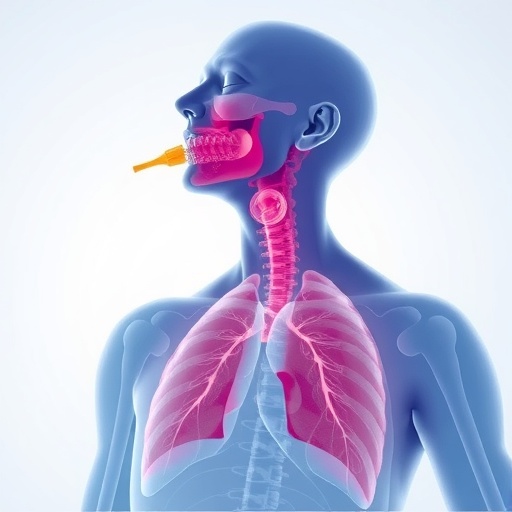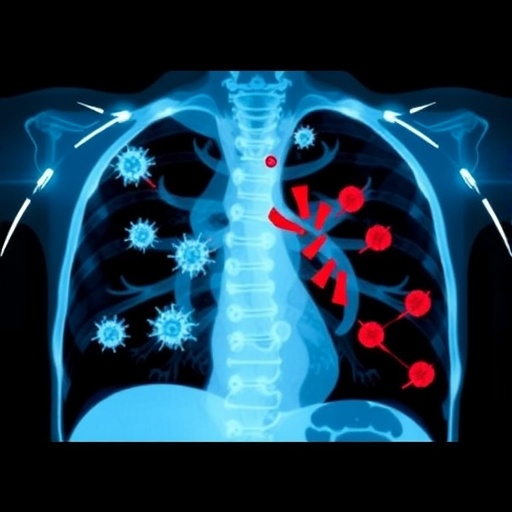
In a stunning breakthrough that highlights the precarious intersection of viral and bacterial infections, a recent case study published in BMC Pediatrics has presented compelling evidence of a pediatric patient afflicted by necrotizing pneumonia. This rare yet grave respiratory condition developed due to a mixed infection involving the Influenza A virus and a particularly virulent strain of Staphylococcus aureus producing Panton-Valentine Leucocidin (PVL). This discovery casts a spotlight on the complexity of managing infections that present simultaneously, challenging conventional treatment protocols and emphasizing the need for vigilant clinical observation.
The implications of such a case are far-reaching, particularly in pediatric medicine. Necrotizing pneumonia is characterized by the rapid destruction of lung tissue, leading to a life-threatening condition requiring immediate medical attention. In this instance, the unique combination of a viral pathogen interacting with a deadly bacterial agent formed a “perfect storm” that overwhelmed the child’s immune system. The interaction between Influenza A and PVL-producing Staphylococcus aureus exemplifies how these two pathogens can exacerbate one another’s effects, significantly complicating the clinical picture.
Viral pneumonia is typically regarded as a largely self-limiting illness; however, when coupled with a bacterial infection, as seen in this case, the prognosis changes dramatically. The presence of PVL enhances the virulence of Staphylococcus aureus, leading to increased tissue necrosis and heightened systemic inflammation. In children—whose immune systems are still developing—this dynamic poses a formidable risk, as they may not mount an effective response to such combined threats. The necessity for early detection and aggressive intervention cannot be overstated.
The report describes the clinical journey of the patient, highlighting initial presenting symptoms that included fever, cough, and respiratory distress. Diagnostic imaging revealed extensive lung involvement, and prompt microbiological testing confirmed the presence of both pathogens. This patient’s case not only adds to existing literature but also underscores the urgent need for prompt diagnostic capabilities to differentiate between viral and bacterial pneumonia in the pediatric population.
Treatment protocols in such cases must be multifaceted. Antiviral therapies targeting the Influenza virus are a crucial component; however, they need to be administered alongside antibiotics specifically effective against PVL-producing strains of Staphylococcus aureus. The case at hand illustrates a rare scenario where the synergy of viral and bacterial infections can compound clinical severity, making it imperative for healthcare professionals to stay attuned to the evolving characteristics of infectious agents.
What makes this case particularly notable is the rising prevalence of PVL-producing Staphylococcus aureus, which is increasingly recognized as a significant pathogen in community-acquired infections, particularly among children. The virulence factors associated with PVL result in a more aggressive disease course, and the meld of this strain with a viral infection like Influenza A presents new challenges for public health. This necessitates a broader inquiry into how pediatric populations can be better protected against such threats.
This case report serves as a critical reminder of the intertwined nature of virology and bacteriology, particularly during epidemic flu seasons. It prompts questions regarding vaccination strategies, especially for children at higher risk of severe outcomes from combined infections. Vaccination against Influenza A should be part of a comprehensive preventive health strategy as it could mitigate the risk of co-infections that lead to catastrophic outcomes like necrotizing pneumonia.
Moreover, the report advocates for increased awareness among parents and caregivers about the signs and symptoms of both influenza infection and potential secondary bacterial infections. Timely recognition and urgent care can be lifesaving, making education a cornerstone of pediatric health strategies. The collaboration of pediatricians, infectious disease specialists, and public health officials is vital to ensure that families receive accurate information about infection risks, including the dangers of co-infections.
Research into the underlying mechanisms of how these pathogens interact may pave the way for innovative treatment approaches. The development of novel therapeutics that target both viral replication and bacterial virulence factors could change the landscape of treatment for both pneumonia and other respiratory infections. The findings in this case underscore the importance of continued research and surveillance in understanding pediatric infectious diseases in the backdrop of evolving microbial threats.
The authors of the study call for further investigation into similar cases, urging researchers to document instances of mixed infections rigorously. Such collective efforts can lead to better guidelines and protocols for anticipating and managing complex pediatric infections effectively. The medical community’s response must include not just treatment advancements but also a heightened awareness of how rapidly evolving pathogens challenge existing paradigms of care.
As we continue to grapple with infectious diseases in a post-pandemic world, the insights derived from this case serve as a critical juncture for pediatric healthcare. The confluence of viral and bacterial pathogens presents a new frontier in the ongoing effort to safeguard the health of vulnerable populations. This research not only sheds light on a specific instance of necrotizing pneumonia but also serves as a call to action for a more comprehensive, integrated approach to infectious disease management in children.
In conclusion, the intersection of viral and bacterial infections, as demonstrated in this case, highlights the need for ongoing research, improved diagnostic strategies, and proactive treatment planning. Observing the interplay between these pathogens will be essential in guiding future pediatric healthcare policies and practices. By recognizing and responding to the complexities of co-infections, healthcare providers can better serve their young patients and potentially save lives.
Subject of Research: Pediatric necrotizing pneumonia caused by mixed infection with Influenza A virus and Panton-Valentine Leucocidin-producing Staphylococcus aureus.
Article Title: Pediatric necrotizing pneumonia caused by mixed infection with influenza A virus and Panton-Valentine Leucocidin-producing Staphylococcus aureus: case report and literature review.
Article References:
Chen, Y., Wang, Y., Tao, X. et al. Pediatric necrotizing pneumonia caused by mixed infection with influenza A virus and Panton-Valentine Leucocidin-producing Staphylococcus aureus: case report and literature review.
BMC Pediatr (2025). https://doi.org/10.1186/s12887-025-06410-0
Image Credits: AI Generated
DOI: 10.1186/s12887-025-06410-0
Keywords: Pediatric pneumonia, co-infection, Influenza A, Staphylococcus aureus, Panton-Valentine leucocidin, infectious disease, respiratory illness, case report, community-acquired infections, pediatric health, viral-bacterial interactions.
Tags: Child’s necrotizing pneumoniaclinical management of pneumoniaimmune system response to infectionsInfluenza A co-infectionmixed infections in childrennecrotizing pneumonia treatment challengespediatric medicine breakthroughspediatric respiratory infectionssevere respiratory conditions in childrenStaphylococcus aureus PVLviral bacterial interactionsviral pneumonia complications