DALLAS – November 16, 2015 – Scientists at the Children's Medical Center Research Institute at UT Southwestern (CRI) have determined how the body responds during times of emergency when it needs more blood cells. In a study published in Nature, researchers report that when tissue damage occurs, in times of excessive bleeding, or during pregnancy, a secondary, emergency blood-formation system is activated in the spleen.
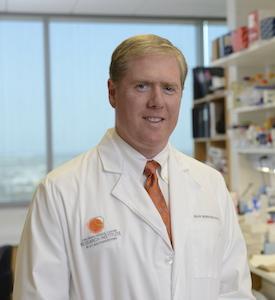
"Hematopoietic, or blood-forming, stem cells reside mainly in the bone marrow, and most new blood cell formation occurs within the bone marrow under normal circumstances. But when there is hematopoietic stress, blood cell formation expands to the spleen," said Dr. Sean Morrison, CRI Director and Mary McDermott Cook Chair in Pediatric Genetics at UT Southwestern Medical Center. "Blood-forming stem cells migrate from the bone marrow to the spleen, which becomes a hematopoietic organ where blood formation then occurs."
Normally, there are very few blood-forming stem cells in the spleen. But the cells that create the supporting environment for these stem cells are present in the spleen, ready to respond during times of hematopoietic stress and to receive an influx of blood-forming stem cells from the bone marrow.
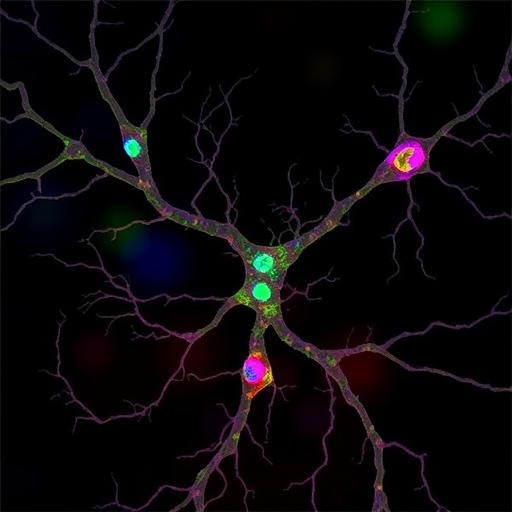
In characterizing the microenvironment, or niche, which supports blood formation in the spleen, the CRI research team used mouse models to examine the expression patterns of two known niche cell factors, stem cell factor (SCF) and CXCL12. The researchers found that the blood-forming microenvironment in the spleen is found near sinusoidal blood vessels and is created by endothelial cells and perivascular stromal cells – just like the microenvironment in the bone marrow.
"Under emergency conditions, the endothelial cells and perivascular stromal cells that reside in the spleen are induced to proliferate, so they can sustain all the new blood-forming stem cells that migrate into the spleen," said Dr. Morrison, who is also a CPRIT Scholar in Cancer Research and a Howard Hughes Medical Institute Investigator. "We determined that this process in the spleen is physiologically important for responding to hematopoietic stress; without it, the mice we studied could not maintain normal blood cell counts during pregnancy or quickly regenerate blood cell counts after bleeding or chemotherapy."
Based on this new information about the spleen's emergency backup role for blood cell formation, therapeutic interventions could be developed in the future to enhance blood formation following chemotherapy or bone marrow transplantation and thus accelerate the recovery of blood cell counts.
###
The study's co-first authors are Dr. Bo Zhou, a Leukemia and Lymphoma Society Fellow at CRI, and Dr. Christopher Inra, a former M.D./Ph.D. student at CRI and now an M.D. trainee at UT Southwestern. The project was supported by the National Heart, Lung, and Blood Institute, and donors to the Children's Medical Center Foundation.
About CRI
Children's Medical Center Research Institute at UT Southwestern (CRI) is a joint venture established in 2011 to build upon the internationally recognized scientific excellence of UT Southwestern Medical Center and the comprehensive clinical expertise of Children's Medical Center, the flagship hospital of Children's HealthSM. CRI's mission is to perform transformative biomedical research to better understand the biological basis of disease, seeking breakthroughs that can change scientific fields and yield new strategies for treating disease. Located in Dallas, Texas, CRI is creating interdisciplinary groups of exceptional scientists and physicians to pursue research at the interface of regenerative medicine, cancer biology and metabolism, fields that hold uncommon potential for advancing science and medicine. More information about CRI is available on its website: cri.utsw.edu.