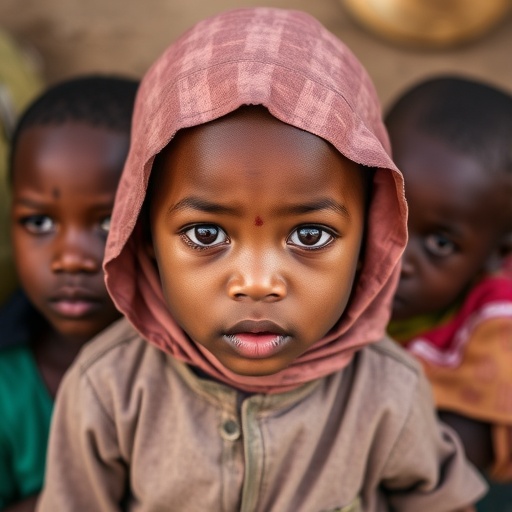
In recent years, the alarming prevalence of malnutrition has emerged as a critical public health issue, especially in regions grappling with both undernutrition and overnutrition, a phenomenon often termed the “double burden of malnutrition.” In a compelling study conducted in Tharparkar, Pakistan, researchers have shed light on the concerning rates of anemia among children suffering from severe acute malnutrition. This research not only highlights the intersection of these two pressing issues but also calls for urgent intervention to tackle the health crisis it presents.
Tharparkar, a district in Pakistan known for its arid climate and high poverty rates, has long been grappling with food insecurity and malnutrition. The landscape is dotted with hardships, where access to nutritious food is severely limited, and healthcare resources are stretched thin. Within this context, the study led by Mahar, Qader, Shah, and colleagues undertakes an in-depth exploration of how severe acute malnutrition correlates with heightened rates of anemia among vulnerable children.
One of the key insights from the research is the alarming statistic that reveals the percentage of children with severe acute malnutrition who also suffer from anemia. The findings indicate that a significant fraction of these children, often less than five years of age, are not only lacking essential nutrients but also face the debilitating effects of anemia, which can lead to long-term cognitive and physical impairments. This intersection poses a dual threat to the development and well-being of children in the region.
Anemia, characterized by low hemoglobin levels in the blood, can severely impact a child’s health, leading to fatigue, weakness, and impaired growth. It is often the result of inadequate dietary intake, poor absorption of nutrients, or chronic infections, all of which are prevalent in areas severely affected by poverty and malnutrition. The study emphasizes that while tackling severe acute malnutrition is critical, addressing the concurrent challenge of anemia is equally vital to improving children’s health outcomes in Tharparkar.
The implications of this research extend beyond the immediate health concerns. The study raises critical questions about the adequacy of existing nutritional programs and policies in the region. In a world where child malnutrition remains a pressing global challenge, the findings from Tharparkar could inform more effective strategies aimed at combating not just malnutrition but also associated conditions like anemia. Policymakers must prioritize comprehensive nutritional interventions that address multiple aspects of health.
Another vital aspect highlighted by the researchers is the role of community awareness and education in addressing malnutrition and anemia. The findings suggest that lack of knowledge around proper nutrition and the importance of micronutrients is a significant barrier to tackling these issues. Therefore, initiatives aimed at improving community engagement and awareness could play a pivotal role in fostering healthier dietary practices among families, especially those with young children.
The community-focused approach is vital, as families are often the first line of defense against malnutrition. By empowering parents with knowledge about nutrition, food diversity, and the signs of malnutrition, local health systems can cultivate a more resilient approach to public health. The study reinforces the idea that health interventions should be rooted in cultural contexts to maximize their effectiveness.
Furthermore, healthcare systems in areas like Tharparkar must be reinforced to adequately address the dual threats of malnutrition and anemia. This involves training healthcare workers to recognize the symptoms, ensure early diagnosis, and provide appropriate treatment options. The study suggests that integrating nutrition education into healthcare services can lead to better health outcomes for children suffering from malnutrition-related conditions.
The researchers also delve into the significance of multi-sectoral collaboration in combating malnutrition. This involves partnerships among various sectors, including health, education, agriculture, and social protection. By synergizing efforts across these areas, communities can develop sustainable solutions that not only address malnutrition but also improve overall quality of life. For example, improving agricultural practices can enhance food security, ultimately influencing nutritional status.
Additionally, the research touches upon the role of international organizations and non-governmental entities in supporting local health initiatives. External funding and resources can aid in the implementation of nutrition programs that target both severe acute malnutrition and anemia. By leveraging global expertise and resources, Tharparkar could potentially see a significant decrease in childhood malnutrition rates.
As the findings of this study unfold, it becomes increasingly clear that immediate action is necessary to mitigate the dual burden of malnutrition and its associated health repercussions. The alarming prevalence of anemia among malnourished children in Tharparkar is a clarion call for all stakeholders involved in child health, nutrition, and welfare. Concerted efforts are needed to safeguard the future of these vulnerable populations.
In conclusion, the study conducted in Tharparkar, Pakistan, offers critical insights into the intertwined nature of severe acute malnutrition and anemia among children. It serves as a reminder of the urgent need for holistic approaches to public health that recognize the complexities of nutrition in vulnerable communities. By addressing both conditions simultaneously, it is possible to create meaningful interventions that can lead to healthier outcomes for future generations.
Moreover, the innovative solutions and community engagement strategies presented in the research have the potential to be modeled in other regions facing similar challenges. The path forward involves learning from such studies and amplifying local voices to shape effective interventions that prioritize child health and nutrition on a broader scale.
As stakeholders rise to meet this challenge, the hope is that initiatives will emerge that not only improve the health status of children in Tharparkar but also lay the groundwork for a future where malnutrition is not a persistent threat to development and wellness.
Subject of Research: Double burden of malnutrition among children with severe acute malnutrition in Tharparkar, Pakistan.
Article Title: Double burden of malnutrition: Prevalence of anemia among children with severe acute malnutrition in Tharparkar, Pakistan.
Article References:
Mahar, B., Qader, S., Shah, T. et al. Double burden of malnutrition: Prevalence of anemia among children with severe acute malnutrition in Tharparkar, Pakistan.
BMC Pediatr (2026). https://doi.org/10.1186/s12887-026-06559-2
Image Credits: AI Generated
DOI:
Keywords: Malnutrition, Anemia, Severe Acute Malnutrition, Child Health, Tharparkar, Pakistan.
Tags: anemia prevalence in childrenchild anemiadouble burden of malnutritionfood insecurityhealthcare resource challengesnutritional health disparitiespoverty and malnutritionpublic health crisissevere acute malnutritionTharparkar Pakistanurgent intervention for malnutritionvulnerable children health