In a landmark study shedding light on neuroprotective strategies against neurodegenerative diseases, researchers from China have revealed that chicoric acid—a natural compound found in various plants—holds tremendous promise in preventing motor dysfunction associated with Parkinson’s disease. Published in BMC Complementary Medicine and Therapies, this multifaceted research investigates the mechanisms through which chicoric acid exerts its effects, with a significant focus on its role in the Nrf2-mediated antioxidant response. Parkinson’s disease, a progressive neurodegenerative disorder that primarily affects movement control, has long been a focus for scientists in search of improved therapeutic interventions.
The gradual manifestation of motor dysfunction in Parkinson’s patients can be attributed to the loss of dopaminergic neurons in the substantia nigra—a critical region of the brain associated with movement regulation. The debilitating symptoms, including tremors, rigidity, and bradykinesia, can severely impact a patient’s quality of life. While traditional pharmacological approaches offer some relief, they are often accompanied by debilitating side effects and limited efficacy in the long term. Hence, the need for alternative therapeutic strategies has driven researchers to explore the potential of natural compounds like chicoric acid.
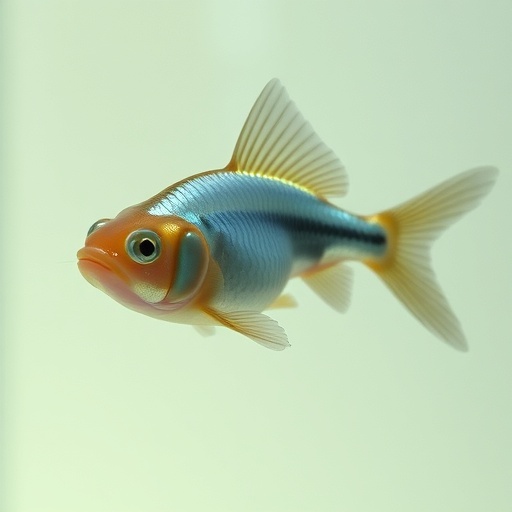
In a remarkable exploration of the zebrafish model, the researchers observed that chicoric acid administration leads to significant improvements in motor function. Zebrafish serve as an excellent model organism for studying human diseases due to their genetic, anatomical, and physiological similarities. The researchers treated zebrafish subjected to a Parkinson’s disease model with chicoric acid and meticulously monitored their physical activity. It was found that those treated with chicoric acid exhibited significantly enhanced motor performance compared to untreated counterparts, underscoring the compound’s protective properties.
The underpinning mechanism for chicoric acid’s efficacy appears to center around the activation of the nuclear factor erythroid 2-related factor 2 (Nrf2) signaling pathway. Nrf2 is a transcription factor that plays a crucial role in cellular defense mechanisms against oxidative stress. In states of cellular stress, Nrf2 translocates to the nucleus and initiates the expression of various antioxidant genes that combat reactive oxygen species (ROS)—the harmful byproducts of cellular metabolism that contribute to neuronal damage in conditions like Parkinson’s disease. By upregulating these protective genes, chicoric acid aids in bolstering the antioxidant defenses of neurons, thereby mitigating oxidative stress and preserving neuronal function.
Furthermore, the researchers delved into the molecular interactions that occur post-chicoric acid administration. They discovered that chicoric acid enhances the stability and activity of Nrf2, promoting its accumulation within the nucleus. This mechanism is pivotal, as elevated Nrf2 levels lead to a cascade of downstream effects that confer neuroprotection and support neuronal survival. Interestingly, the activation of Nrf2 not only provides immediate antioxidant benefits but may also pave the way for long-term neuroprotective adaptations.
The significance of these findings extends into practical therapeutic avenues. With the ongoing search for effective and safe treatments for Parkinson’s disease, the discovery that a naturally derived compound such as chicoric acid can activate pivotal neuroprotective pathways presents a noteworthy advancement. The prospects of incorporating chicoric acid or its derivatives as a dietary supplement or a pharmacological agent could herald a new era in managing Parkinson’s disease. Such an approach would not only aim to alleviate symptoms but also target the underlying neurodegenerative processes.
Moreover, this study opens new doors for exploring additional natural compounds with similar properties. Nature is a vast repository of potential treatments, and researchers are urged to investigate other phytochemicals that might offer synergistic effects when combined with chicoric acid. These compounded approaches could yield more potent therapies with enhanced efficacy in combating neurodegenerative diseases.
In an age where the global population is aging rapidly, the importance of these findings cannot be overstated. As the prevalence of Parkinson’s disease and other neurodegenerative disorders rises, the demand for innovative and accessible treatment options becomes increasingly acute. Chicoric acid, therefore, offers a glimmer of hope for millions of individuals affected by these debilitating disorders, signaling a shift towards neuroprotection and functional recovery.
As the scientific community celebrates the promising results of this research, further studies are essential to elucidate the full therapeutic potential of chicoric acid. Longitudinal studies assessing the chronic effects of chicoric acid on motor function and neuroprotection in zebrafish, and eventually in mammalian models, will pave the way for clinical trials. This step is crucial to validate the findings and establish a clear dosage regimen for potential human application.
The implications of this study encourage a broader conversation about the role of lifestyle and diet in neurodegenerative disease prevention. The integration of functional foods containing chicoric acid into regular diets may not only serve as a preventative measure but also empower patients and caregivers with the knowledge and agency to influence disease outcomes positively.
The research team’s dedication to uncovering the intricate dynamics of chicoric acid paves the way for an exciting future in neuroscience and pharmacology. As they continue to investigate the myriad ways in which natural compounds can influence human health, there is anticipation that further groundbreaking discoveries lie ahead, transforming our understanding and treatment of Parkinson’s disease.
In conclusion, the impact of chicoric acid in preventing motor dysfunction in a zebrafish model of Parkinson’s disease is a crucial discovery that illustrates the potential of leveraging nature’s resources in addressing complex neurological disorders. As scientists delve deeper into this avenue of research, the hope is that the eventual translation of these findings into practical therapeutic strategies will not only enhance the quality of life for those living with Parkinson’s disease but also fundamentally change the landscape of treatment modalities available today.
Subject of Research: Chicoric acid and its neuroprotective effects in Parkinson’s disease models
Article Title: Chicoric acid prevents motor dysfunction in zebrafish Parkinson’s disease model through Nrf2-mediated antioxidant effect
Article References:
Zhang, X., Li, M., Zhang, H. et al. Chicoric acid prevents motor dysfunction in zebrafish Parkinson’s disease model through Nrf2-mediated antioxidant effect.
BMC Complement Med Ther (2026). https://doi.org/10.1186/s12906-026-05271-z
Image Credits: AI Generated
DOI: 10.1186/s12906-026-05271-z
Keywords: chicoric acid, Parkinson’s disease, neuroprotection, Nrf2, zebrafish model, oxidative stress, motor dysfunction, neurodegenerative diseases, antioxidant, phytochemicals, therapeutic strategies.
Tags: alternative therapies for Parkinson’sBMC Complementary Medicinechicoric acid benefitsdopaminergic neuron protectionmotor dysfunction alleviationnatural compounds for neurodegenerationneurodegenerative disease interventionsneuroprotective strategiesNrf2-mediated antioxidant responseParkinson’s disease treatmentplant-based neuroprotectionZebrafish model research