Over 360 scientists from 42 countries – led by the University of Göttingen and Westlake University China – call for transition of food production systems to agroecological principles
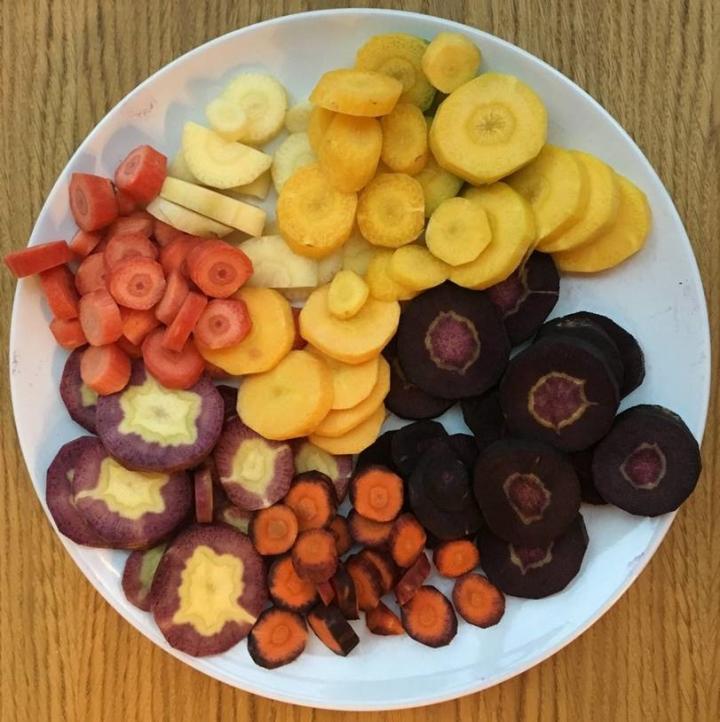
Credit: T C Wanger
Over 360 scientists from 42 countries – led by the University of Göttingen and Westlake University China – call for transition of food production systems to agroecological principles.
Humans depend on farming for their very survival but this activity takes up more than one third of the world’s landmass and endangers 62% of all threatened species globally. However, agricultural landscapes can support, rather than damage, biodiversity, but only through a global transition to agroecological production. An international team of over 360 scientists from 42 countries, led by the University of Göttingen and Westlake University in China, argue that agroecological principles should be integrated in the post-2020 Global Biodiversity Framework, which aims to reduce threats to biodiversity and will be decided at the 15th Convention of the Parties (COP15) meeting in China. Their Correspondence article was published in Nature Ecology & Evolution.
Reversing the trend in species decline is essential for the benefit of both people and the planet, but it will require coordinated actions and sustainable agriculture. Intensive farming relying on excessive pesticides and fertiliser has negative effects on biodiversity. The authors argue that farming landscapes can provide habitats for biodiversity, promote connectivity between protected areas and increase species’ ability to respond to environmental threats. The authors’ research agenda includes enhancing global research networks, expanding technical innovation and improving communication. The authors emphasise the importance of working with and supporting farmers, indigenous people and local communities. Diversification in crops together with new varieties and combinations, for instance, can sustain yields. In addition, these actions can support biodiversity and ecosystems whilst providing more nutritious and healthy food for all.
This year is crucial for biodiversity, not just because time is running out to conserve insects and other wildlife, but also because the 15th Convention of the Parties (COP15) will meet in China for the UN Biodiversity Conference, now in 2021 due to COVID-19. At COP15, the post-2020 Global Biodiversity Framework will be agreed which has targets to reduce threats to biodiversity. The authors have elaborated how agroecological principles can help meet each of these targets.
Dr Thomas Cherico Wanger from Westlake University China and University of Göttingen and first author of the correspondence reports, “The importance of agroecology to change agriculture and protect biodiversity has been recognized by many top level organizations, in the scientific community, and by practitioners, which is also reflected in the number and affiliations of signatories of our Correspondence. Following our positive discussions with representatives of the COP15, I hope that this correspondence can help to stimulate discussions in the policy arena and make a real impact on agricultural production systems.”
Professor Teja Tscharntke, co-author and Head of the Agroecology Research Group at the University of Göttingen, adds: “Agroecology has the potential to change the way we ‘do agriculture’. We hope that our comprehensive research agenda will help to chart the path to sustainable, diversified agriculture and biodiversity conservation in the future.”
###
Original publication: Wanger et al. Integrating agroecological production in a robust post-2020 global biodiversity framework. Correspondence in Nature Ecology & Evolution (2020). DOI: 10.1038/s41559-020-1262-y
Alternative link – Link – https:/
Contact
Dr Thomas Cherico Wanger
Guest Scientist, University of Göttingen, Agroecology Group
And Associate Professor, Westlake University China
Tel: +86 150 688 00 424
Email: tomcwanger@gmail.com and twanger@gwdg.de
http://www.
Professor Teja Tscharntke
University of Göttingen
Department of Crop Sciences, Agroecology Group
University of Göttingen
Grisebachstraße 6, 37077 Göttingen, Germany
Tel: +49 (0)551 39-9209
Email: ttschar@gwdg.de
http://www.
Media Contact
Melissa Sollich
melissa.sollich@uni-goettingen.de
Original Source
https:/
Related Journal Article
http://dx.