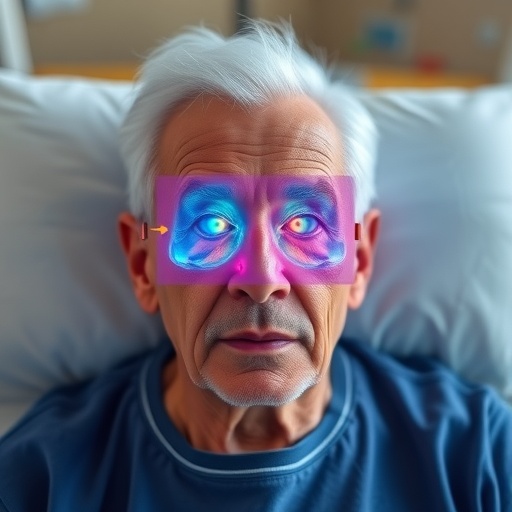
Cerebral oximetry-guided anaesthesia has emerged as a pivotal innovation in the realm of cardiac surgery, particularly for elderly patients undergoing complex procedures such as off-pump coronary artery bypass grafting (CABG). This recent randomized controlled trial led by Tian, Wang, and Jia offers compelling evidence that could reshape how anesthetic practices are approached in geriatric populations, emphasizing the role of continuous monitoring of cerebral oxygenation to improve postoperative outcomes.
The study highlights an issue of growing concern: postoperative delirium, a cognitive disturbance that disproportionately affects older adults after surgical procedures. With the increasing age of the population, understanding and mitigating the risks associated with such cognitive complications has never been more relevant. Traditional anaesthetic protocols may not sufficiently account for the unique physiological responses of elderly individuals, making the need for more tailored approaches critical.
Cerebral oximetry, a non-invasive method that measures the oxygen saturation of the brain, allows anesthesiologists to gain real-time insights into cerebral perfusion. This data can be invaluable during surgeries where maintaining optimal cerebral oxygenation is crucial. By utilizing cerebral oximetry as a guiding tool, healthcare providers can make more informed decisions during the perioperative period. The results from Tian et al. suggest that this approach could lead to a significant reduction in the incidence of postoperative delirium, which can translate to improved quality of life for patients post-surgery.
In this randomized controlled trial, a cohort of elderly patients undergoing off-pump CABG were monitored using cerebral oximetry. The control group received standard anaesthesia management without this cerebral monitoring, while the experimental group was guided by real-time oximetry data. The findings are showing a stark contrast in postoperative outcomes between the two groups. Not only did the cerebral oximetry-guided group exhibit a lower incidence of delirium, but they also demonstrated reduced lengths of hospital stays and fewer complications overall.
These findings raise critical questions about the future of anaesthesia in elderly patients. As we strive for optimization in medical practices, integrating advanced monitoring technologies into routine clinical care may represent the next frontier. The trial underscores that by focusing on cerebral health during surgery, we might mitigate some of the detrimental effects associated with traditional anaesthetic methods.
Moreover, delirium is not merely a short-term postoperative issue; it has longer-term consequences, including prolonged recovery times and increased healthcare costs. By employing cerebral oximetry-guided anaesthesia, the healthcare system could potentially alleviate not only the immediate cognitive repercussions but also the broader burden on healthcare resources associated with extended hospitalizations and rehabilitative care.
The research team emphasized the need for further studies to validate these findings in larger populations and across different surgical procedures. Understanding the mechanisms behind cerebral oximetry’s benefits could unlock new therapeutic strategies that enhance patient safety and outcomes. It’s essential to explore the optimal thresholds for cerebral oxygenation that can guide anesthesiologists in real-time decision-making.
One could argue that the implications of this research extend beyond just cardiac surgery. The principles of maintaining cerebral oxygenation are universally applicable across various surgical disciplines. Whether it be orthopedic, neurological, or other surgeries involving elderly populations, the lessons learned from this trial could inform best practices in anaesthetic management across the board.
Furthermore, the integration of technology into healthcare is advancing at a rapid pace. The ability to leverage data analytics and machine learning with cerebral oximetry measurements could lead to even more granular insights into patient care during surgery. It’s not beyond the realm of possibility that we could develop predictive models capable of forecasting the risk of postoperative delirium, effectively allowing preventative measures to be implemented proactively.
This trial represents a significant step forward in geriatric anaesthesia, yet it also reminds us of the importance of patient-centered care. By focusing on the specific needs of older patients, healthcare providers are better equipped to tailor interventions that consider the uniqueness of aging, ultimately improving safety and outcomes. As we carry these insights forward, the incorporation of such innovative monitoring strategies could indeed redefine surgical standards for the elderly.
In conclusion, the research conducted by Tian, Wang, and Jia provides not just a glimpse into the future of anaesthetic practice for the elderly but lays a foundation for broader discussions on perioperative care. As the medical community grapples with an aging population, exploring advanced technologies like cerebral oximetry may illuminate new paths toward enhanced surgical safety and efficacy, ultimately ensuring better care for our most vulnerable patients.
In a world where healthcare resources are finite and the needs of the population are ever-expanding, fostering a culture of innovation and adaptation in medical practice is imperative. The findings from this study could very well serve as a catalyst for such a culture, challenging professionals to leave behind outdated practices and embrace a more nuanced and informed approach to anaesthesia.
The implications of this research transcend the immediate clinical context. They offer a blueprint for future investigations into how technology-driven solutions can be utilized to improve patient outcomes across various medical specialties. Moving forward, the healthcare community must remain vigilant in seeking continuous improvement in surgical practices, ensuring that advancements in patient care are heralded not as options but as standards of excellence.
As we await further developments in this area of research, it is undeniable that the seeds sown by this study will likely germinate into a broader movement toward enhanced monitoring technologies in anaesthesia, fostering an era of precision medicine that champions the principle of individualized care.
With ongoing discussions around anesthetic management for aging populations, the rich data and findings from this trial offer a beacon of hope for elevated care standards, promising better outcomes for elderly patients facing major surgical interventions. How we respond to these findings will fundamentally shape the future of surgery and anaesthesia for years to come.
Subject of Research: Cerebral oximetry-guided anaesthesia and postoperative delirium in elderly patients
Article Title: Cerebral oximetry-guided anaesthesia and postoperative delirium in elderly patients undergoing off-pump coronary artery bypass grafting: a randomized controlled trial.
Article References:
Tian, L., Wang, H., Jia, Y. et al. Cerebral oximetry-guided anaesthesia and postoperative delirium in elderly patients undergoing off-pump coronary artery bypass grafting: a randomized controlled trial.
BMC Geriatr (2026). https://doi.org/10.1186/s12877-026-07054-0
Image Credits: AI Generated
DOI: 10.1186/s12877-026-07054-0
Keywords: Cerebral oximetry, anaesthesia, postoperative delirium, elderly patients, cardiovascular surgery, randomized controlled trial.
Tags: anaesthesia innovations for geriatric carecerebral oximetry benefits in cardiac surgerycognitive complications in elderly surgery patientscontinuous monitoring of cerebral oxygenationenhancing safety in cardiac surgery for elderly patientsimproving postoperative outcomes in seniorsnon-invasive brain oxygen saturation measurementoff-pump coronary artery bypass grafting outcomesrandomized controlled trial on anaesthetic practicesreal-time cerebral perfusion insightsreducing postoperative delirium in elderly patientstailored anaesthetic protocols for older adults