In a groundbreaking study poised to reshape our understanding of psoriasis pathology, researchers have unveiled a pivotal cellular player driving the chronic inflammation characteristic of this widespread skin condition. Tian, Guo, Sun, and colleagues have identified a unique subset of fibroblasts marked by high expression of the ectoenzyme CD73, which orchestrate inflammatory signals within the psoriatic epithelial immune microenvironment. This discovery not only illuminates new mechanistic insights into how keratinocyte-driven inflammation is sustained but also opens transformative therapeutic avenues for targeting the complex crosstalk underlying psoriasis.
Psoriasis is a multifactorial autoimmune disorder hallmarked by hyperproliferative keratinocytes and a hyperactive immune milieu. While much attention has centered on immune cells such as T cells and dendritic cells in driving the pathology, the stromal compartment’s contributions have remained relatively obscure. The present study compellingly positions CD73^high fibroblasts as sentinel architects that modulate keratinocyte behavior and immune cell recruitment through finely tuned enzymatic and signaling cascades, thereby reprogramming the psoriatic microenvironment.
CD73, or ecto-5′-nucleotidase, functions enzymatically to convert AMP to adenosine, a critical immunomodulatory molecule frequently implicated in inflammation and tissue repair. The team’s extensive immunophenotyping revealed a distinct population of fibroblasts exhibiting elevated CD73 expression specifically within psoriatic lesions compared to healthy skin. Spatial transcriptomics further demonstrated that these fibroblasts reside in close apposition to lesional keratinocytes, suggesting a direct paracrine interaction facilitating inflammatory feedback loops.
Mechanistically, CD73^high fibroblasts potentiate keratinocyte inflammatory responses by modulating extracellular adenosine levels, which in turn engage adenosine receptors on epidermal cells and resident immune populations. This adenosine-rich environment promotes release of proinflammatory cytokines such as IL-17A, IL-22, and TNF-α, which are well-established drivers of keratinocyte hyperproliferation and aberrant differentiation — hallmark features of psoriatic plaques. Intriguingly, pharmacologic inhibition of CD73 enzymatic activity attenuated these inflammatory signatures in ex vivo psoriatic skin cultures, underscoring the functional relevance of this pathway.
Further elucidation revealed that CD73^high fibroblasts actively influence immune cell composition within the epidermal niche by secreting chemokines that recruit pathogenic Th17 cells and neutrophils, perpetuating a vicious cycle of inflammation. This fibroblast-mediated orchestration of immune infiltration challenges the traditional immune-centric models of psoriasis and implicates stromal cells as critical drivers of chronic disease maintenance and progression.
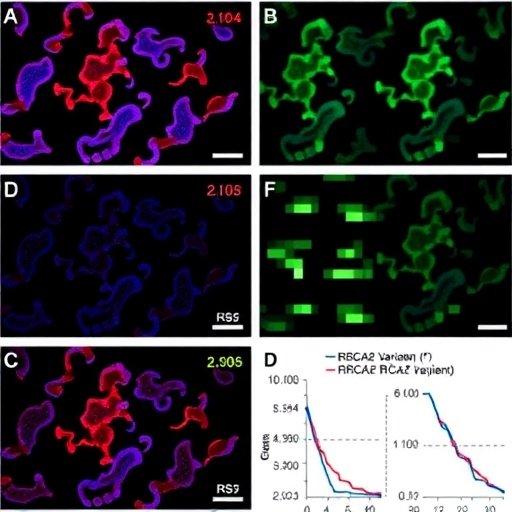
The researchers harnessed cutting-edge single-cell RNA sequencing coupled with multiplexed immunofluorescence imaging to precisely delineate the phenotypic heterogeneity and spatial dynamics of fibroblast subsets. Notably, the CD73^high fibroblast population exhibited a proinflammatory transcriptomic signature distinct from canonical fibroblasts, including upregulation of matrix metalloproteinases and adhesion molecules, facilitating tissue remodeling and leukocyte extravasation within lesional skin.
Importantly, these findings bear clinical implications far beyond mechanistic novelty. Targeted inhibition of CD73 or modulation of fibroblast-derived adenosine signaling could represent a novel class of therapeutics to disrupt the self-amplifying inflammatory circuits in psoriasis. Unlike current biologics that primarily target immune cells, stromal-directed therapies may offer complementary or synergistic benefits, particularly for patients refractory to existing treatments. The authors advocate for the development of small molecules or monoclonal antibodies capable of selectively modulating CD73 activity to restore epidermal homeostasis.
This investigation also prompts a reevaluation of fibroblast functions across other chronic inflammatory and autoimmune disorders. The concept of “inflammatory fibroblasts” with distinct enzymatic profiles potentially extends to rheumatoid arthritis, inflammatory bowel disease, and beyond, suggesting conserved mechanisms by which stromal niches sustain pathogenic immune responses. In this light, fibroblasts emerge not merely as passive bystanders but as active immunologic architects in diverse tissues.
Technically, the study leveraged innovative in vitro coculture systems combining patient-derived psoriatic fibroblasts and keratinocyte lines, recapitulating key inflammatory hallmarks in a controlled environment. Gain- and loss-of-function experiments targeting CD73 elucidated causality, while proteomic analyses of fibroblast secretomes identified candidate mediators responsible for the keratinocyte-immune cell crosstalk. Thus, the multidisciplinary approach synthesized molecular, cellular, and systems-level insights.
The dynamic interplay between fibroblasts and keratinocytes revealed in this research underscores a paradigm shift in the conceptualization of epithelial immune microenvironments. Instead of viewing keratinocytes as mere targets of immune assault, this study positions them as integral components dynamically regulated by stromal enzymatic activities that modulate local adenosine concentrations and signaling. Such nuanced understanding enriches the foundation for next-generation biomarker discovery.
Looking forward, in vivo validation using psoriatic animal models expressing conditional CD73 knockouts will be essential to confirm the therapeutic potential observed ex vivo. Furthermore, longitudinal patient studies assessing correlations between fibroblast CD73 expression levels and clinical disease severity could refine prognostic criteria and guide personalized medicine approaches. Given the heterogeneity in psoriasis phenotypes, stratifying patients based on stromal fibroblast activity might optimize treatment responses.
The viral nature of these findings rapidly proliferates in dermatological and immunological circles, sparking enthusiasm about reshaping psoriasis therapy. The revelation that fibroblasts not only support skin architecture but also prime inflammatory cascades advances a holistic view of disease pathophysiology. It invigorates the search for stromal cell-targeting interventions that might deliver durable remission or even cure, a long-sought goal in chronic inflammatory skin diseases.
Ultimately, Tian and colleagues’ seminal work places CD73^high fibroblasts at the nexus of cutaneous inflammation, redefining cellular hierarchies in psoriasis. This refined model integrating enzymatic, molecular, and immunological dimensions charts a promising translational trajectory from bench to bedside. It invites the scientific community to rethink psoriasis as a disease equally mediated by dysregulated stromal-epithelial interactions, heralding a new era in dermatological research and clinical management.
By elucidating the mechanistic underpinnings through state-of-the-art methodologies and comprehensive molecular profiling, this study inspires renewed optimism for developing precision therapies. The identification of metabolic enzymes such as CD73 as central regulators injects fresh momentum into the exploration of bioactive metabolites as immunomodulators within epithelial tissues. This conceptual leap fuels broad interest in epidermal biology and immune-stromal communication networks.
The implications of these discoveries extend beyond psoriasis into the broader context of inflammatory disorders where fibroblasts and epithelial cells coexist in dynamic equilibrium. Future investigations will likely explore how other fibroblast subsets with distinct molecular signatures contribute to tissue-specific pathology and regenerative processes. Such research promises to unlock systemic insights into cellular cooperation and conflict shaping human health and disease.
In conclusion, the identification of CD73^high fibroblasts as master regulators in the psoriasis-associated epithelial immune microenvironment represents a transformative advance in dermatological science. This work exemplifies how integrative, multidisciplinary approaches can uncover previously unappreciated cellular players modulating complex inflammatory diseases. As these findings gain traction, they pave the way for innovative treatments poised to alleviate the burden of psoriasis for millions worldwide.
Subject of Research: Psoriasis pathogenesis with focus on fibroblast-keratinocyte interactions and inflammatory microenvironment
Article Title: CD73^high fibroblasts orchestrate keratinocyte inflammation in the psoriasis-associated epithelial immune microenvironment
Article References:
Tian, Y., Guo, J., Sun, J. et al. CD73^high fibroblasts orchestrate keratinocyte inflammation in the psoriasis-associated epithelial immune microenvironment. Nat Commun (2026). https://doi.org/10.1038/s41467-026-71323-0
Image Credits: AI Generated
Tags: adenosine signaling in skin inflammationCD73 high fibroblasts in psoriasisecto-5′-nucleotidase role in psoriasisfibroblastfibroblast-driven chronic inflammationfibroblast-immune cell crosstalkimmunophenotyping of psoriatic fibroblastskeratinocyte hyperproliferation in psoriasiskeratinocyte inflammation mechanismspsoriatic epithelial immune microenvironmentstromal cell contribution to autoimmune skin diseasetherapeutic targets for psoriasis inflammation