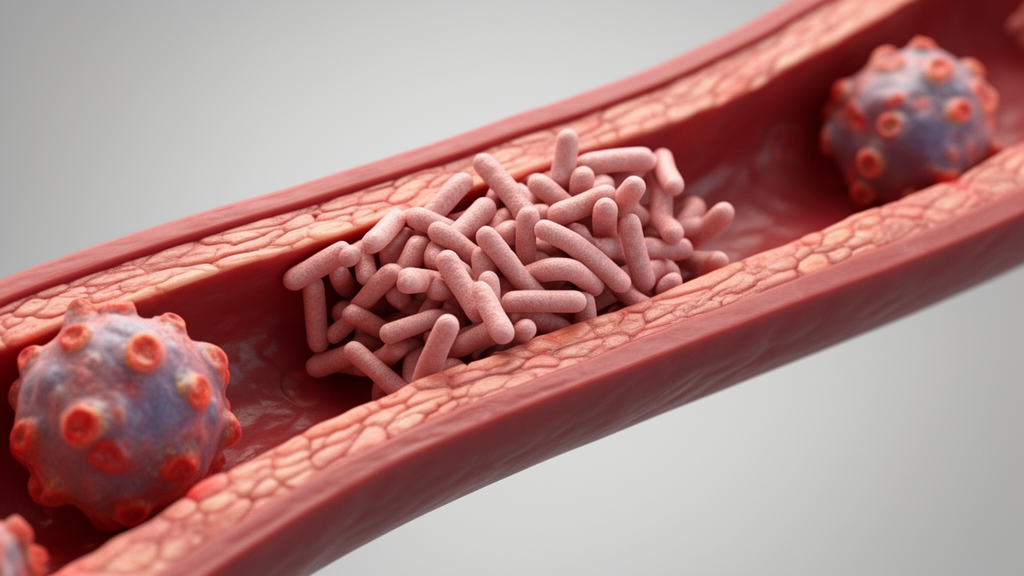
Clinicians evaluating systemic autoimmune conditions face substantial diagnostic hurdles when chronic infectious pathogens produce clinical and serological features that mirror primary vasculitides, as documented in a clinical report. In a case report, physicians described a thirty-year-old active-duty soldier whose chronic cutaneous lesions, persistent airway congestion, and peripheral sensory deficits led to an initial impression of eosinophilic granulomatosis with polyangiitis. The presentation was compounded by marked seropositivity for perinuclear antineutrophil cytoplasmic antibodies, antinuclear antibodies, and elevated immunoglobulin E, illustrating how Mycobacterium leprae can trigger extensive autoimmune mimicry. Because immunosuppressive therapy intended for vasculitis permits unchecked mycobacterial proliferation and permanent neurological injury, the report underscores the necessity of microbiological evaluation in endemic regions. This observational case report highlights the complex diagnostic pathways required to distinguish treatable mycobacterial infection from severe rheumatic diseases.
The patient’s clinical trajectory spanned a six-year indolent period marked by progressive, symmetrically advancing dermatological lesions accompanied by recurrent epistaxis and persistent nasal obstruction. He reported no pre-existing chronic medical conditions and had no documented contact with individuals diagnosed with Hansen’s disease. The illness initially manifested on his lower extremities as pruritic erythematous macules, prompting primary healthcare providers to diagnose atopic dermatitis. Management with topical corticosteroids and oral antihistamines yielded only suboptimal, transient relief. Over subsequent years, the skin lesions gradually extended symmetrically to involve the patient’s face, trunk, and extremities, coalescing into diffuse indurated plaques and firm nodules. Simultaneously, his persistent nasal congestion was repeatedly attributed to chronic allergic rhinitis and treated symptomatically at peripheral clinics without halting disease progression. This slow, uninterrupted evolution reflected the insidious nature of lepromatous infection.
Approximately twelve months prior to presenting at the specialized medical facility, the patient experienced a progressive worsening of neurological symptoms. He noted an insidious loss of thermal sensation in his toes and fingertips in a classic glove-and-stocking pattern. Because of this sensory loss, he suffered repeated unnoticed minor mechanical injuries and burn-like lesions, which were managed conservatively with gabapentin and wound dressings without clinical improvement. One month prior to hospital admission, the clinical picture deteriorated further with the emergence of painless, non-healing trophic ulcers overlying his right medial malleolus and progressive loss of his lateral eyebrows. A ten-day trial of oral clindamycin and prednisolone failed to resolve the ulcerative lesions or improve his symptoms. Throughout this six-year illness, the patient denied constitutional symptoms such as fever, and reported no respiratory, hepatic, or renal dysfunction.
Upon physical examination at the referral center, peripheral arterial pulses were normally palpable across all four limbs. Inspection confirmed bilateral superciliary madarosis without structural nasal collapse or deformity. Dermatological evaluation revealed widespread, symmetrically distributed hypopigmented to erythematous macules, indurated plaques, and firm nodules covering his face, back, and the extensor surfaces of his extremities. Two distinct, painless trophic ulcers measuring two by two centimeters were noted over the right medial malleolus with secondary bacterial infection. Neurological assessment confirmed symmetrical hypoesthesia, analgesia, and complete loss of thermal sensation in a glove-and-stocking distribution extending to the mid-forearms and mid-calves. Cranial nerves remained intact, and motor strength testing showed normal motor function. Electrophysiological testing via nerve conduction studies demonstrated mononeuritis multiplex, confirming extensive peripheral nerve pathology.
The combination of chronic upper respiratory tract symptoms, peripheral neuropathy, and severe cutaneous lesions prompted clinicians to consider systemic necrotizing vasculitides, particularly eosinophilic granulomatosis with polyangiitis, cutaneous sarcoidosis, and mycosis fungoides. Baseline laboratory investigations revealed normal complete blood counts, normal renal and liver function panels, and an unremarkable urinalysis. However, inflammatory markers were markedly elevated, with an erythrocyte sedimentation rate of 85 millimeters per hour and a C-reactive protein level of 42 milligrams per liter. Serological testing revealed elevated antinuclear antibodies at 138 arbitrary units per milliliter with a speckled pattern, strongly positive perinuclear antineutrophil cytoplasmic antibodies at 445 nanograms per milliliter, and elevated total serum immunoglobulin E measuring 1532 international units per milliliter. Screening for other autoimmune markers—including rheumatoid factor, anti-double-stranded DNA, and complement fractions—yielded entirely negative results.
Although the striking serological positivity for perinuclear antineutrophil cytoplasmic antibodies and elevated immunoglobulin E mirrored eosinophilic granulomatosis with polyangiitis, the team identified key inconsistencies that argued against a primary vasculitic process. The patient lacked asthma, exhibited no pulmonary or renal involvement, and showed an indolent six-year progression without acute organ failure. To resolve the diagnostic dilemma, clinicians performed slit-skin smear microscopy from active papulonodular skin lesions and earlobes, alongside a full-thickness cutaneous punch biopsy. Slit-skin smear microscopy revealed abundant clusters of acid-fast bacilli yielding a bacteriological index of 4+, indicating ten to one hundred bacilli per average field. Histopathological examination demonstrated an intact epidermis with a preserved subepidermal Grenz zone, beneath which lay dense chronic dermal inflammatory infiltrates composed of plasma cells, lymphocytes, and foamy histiocytes displaying perivascular accentuation, confirming multibacillary leprosy.
The physiological distinction between the neuropathy of multibacillary leprosy and antineutrophil cytoplasmic antibody-associated vasculitis provided a vital diagnostic discriminator. In conditions such as eosinophilic granulomatosis with polyangiitis, peripheral nerve injury typically stems from acute ischemic infarction caused by necrotizing inflammation of the vasa nervorum, producing acute, intensely painful asymmetric mononeuritis multiplex with prominent motor weakness. Conversely, peripheral nerve damage in multibacillary leprosy arises from direct intracellular invasion of Schwann cells by Mycobacterium leprae. This bacterial tropism incites chronic inflammation, endoneurial fibrosis, and segmental demyelination, culminating in an indolent, painless, and symmetrically distributed sensory neuropathy that impairs temperature, pain, and light-touch perception in a stocking-and-glove distribution. In the patient, the preservation of motor strength, absence of neuropathic pain, and symmetrical sensory deficit directly reflected mycobacterial neural tropism rather than microvascular ischemia.
The presence of elevated autoantibodies in multibacillary leprosy stems from immunopathological perturbations induced by persistent mycobacterial antigenic stimulation. Chronic dissemination of Mycobacterium leprae triggers intense polyclonal B-cell activation, circulating immune complex formation, and secondary autoimmune dysregulation. These mechanisms explain why patients with high bacillary burdens frequently demonstrate circulating antinuclear antibodies, antineutrophil cytoplasmic antibodies, rheumatoid factor, and elevated inflammatory markers despite having no underlying primary autoimmune disorder. When diagnostic evaluations rely exclusively on serological testing, these non-specific autoantibodies frequently mislead physicians into diagnosing connective tissue diseases or systemic vasculitis. The authors emphasized that autoimmune seropositivity in leprosy-endemic regions must be interpreted with caution and contextualized alongside microbiological testing, as treating such patients with high-dose corticosteroids or cytotoxic immunosuppressants can accelerate bacillary proliferation, suppress cellular immunity, and lead to permanent neurological disability.
Following definitive microbiological confirmation, all planned immunosuppressive therapy was immediately cancelled, and the patient commenced the World Health Organization-recommended twelve-month multidrug therapy regimen for multibacillary Hansen’s disease. The protocol comprised supervised monthly doses of rifampicin at 600 milligrams and clofazimine at 300 milligrams, alongside daily self-administered dapsone at 100 milligrams and clofazimine at 50 milligrams. Supportive care included meticulous saline wound dressings, treatment for superficial secondary bacterial infection, provision of customized offloading footwear, and education on daily self-inspection of the feet to mitigate trauma. In accordance with public health protocols, household contacts were clinically screened, yielding no secondary cases, and post-exposure prophylaxis counseling was provided. The patient displayed excellent treatment adherence and attended regular clinical follow-ups, establishing a reliable foundation for therapeutic recovery while avoiding the hazardous complications of misdirected immunosuppressive regimens.
After eight months of continuous multidrug therapy, the patient exhibited significant clinical improvement, characterized by the marked flattening of cutaneous plaques and nodules, resolution of persistent nasal congestion, cessation of epistaxis, and complete healing of trophic malleolar ulcers. Consistent with the known pharmacological profile of clofazimine, he developed widespread, benign brownish-black cutaneous pigmentation. Due to pre-existing destruction of sensory nerve fibers, his stocking-and-glove sensory loss remained permanent, necessitating ongoing foot care. Repeated laboratory testing after eight weeks of therapy demonstrated complete normalization of acute-phase reactants, with the erythrocyte sedimentation rate dropping to 10 millimeters per hour and C-reactive protein decreasing to 7 milligrams per liter. However, serological markers remained persistently elevated, with perinuclear antineutrophil cytoplasmic antibodies at 320 nanograms per milliliter, antinuclear antibodies at 121 arbitrary units per milliliter, and immunoglobulin E at 1014 international units per milliliter, showing that clinical remission precedes serological clearance.
The case report contextualized these findings against published international literature documenting similar diagnostic pitfalls across diverse medical settings. Published reports from the United States, India, Iran, Brazil, Thailand, and Indonesia have recorded numerous instances where lepromatous leprosy was initially treated as rheumatoid arthritis, polyarteritis nodosa, mixed connective tissue disease, or systemic vasculitis. In several documented cases, the administration of immunosuppressive therapy delayed antimicrobial intervention and permitted bacillary proliferation, occasionally resulting in severe lepra reactions or fatal sepsis. Despite global control efforts under the World Health Organization’s 2021 to 2030 strategy targeting zero transmission and zero disability, leprosy remains a public health concern across 120 countries, with approximately 200,000 new cases diagnosed annually. The authors concluded that clinicians in endemic areas must maintain high vigilance and prioritize microbiological verification whenever patients present with chronic dermatological lesions, indolent neuropathy, and vasculitis-like autoantibody seropositivity.
Subject of Research: Clinical case report of multibacillary leprosy mimicking eosinophilic granulomatosis with polyangiitis
Article Title: Multibacillary Leprosy as a Vasculitic Mimicker of Eosinophilic Granulomatosis With Polyangiitis in an Endemic Setting: A Case Report From Tanzania
Article References: Chuma, E., Lymo, L., Edwin, G., Ochina, E., Zerd, F., Chapa, P., Mpondo, B., & Sindato, E. (2026). Multibacillary Leprosy as a Vasculitic Mimicker of Eosinophilic Granulomatosis With Polyangiitis in an Endemic Setting: A Case Report From Tanzania. Clinical Case Reports, 14(12), Article e73966. https://doi.org/10.1002/ccr3.73966
Image Credits: AI Generated
DOI: 10.1002/ccr3.73966
Keywords: multibacillary leprosy, eosinophilic granulomatosis with polyangiitis, Mycobacterium leprae, perinuclear antineutrophil cytoplasmic antibodies, antinuclear antibodies, mononeuritis multiplex, peripheral sensory neuropathy, superciliary madarosis, trophic ulcers, multidrug therapy, slit-skin smear, histopathology, clofazimine, dapsone, rifampicin, Tanzania, autoimmune mimicry
News Source: Ophelia Keating. (November 23, 2026). Case Report Highlights Multibacillary Leprosy Mimicking Severe Autoimmune Vasculitis. Scienmag.