Carbon quantum dots (CQDs) have emerged as a versatile class of fluorescent nanomaterials, characterized by their unique optical properties, low cytotoxicity, and excellent biocompatibility. A recent review published in Discover Sensors provides a comprehensive overview of the recent advances in the synthesis, physicochemical properties, and functional applications of these zero-dimensional carbon nanoparticles. The study highlights how CQDs have become a reliable substitute for conventional quantum dots in bioimaging, biosensing, and disease detection, driven by their small particle size of less than 10 nanometers and excitation wavelength-dependent photoluminescence. This evolution from bulk carbon materials to highly functional, light-emitting nanostructures represents a significant development in material science, enabling novel functionalities across multidisciplinary fields.
The synthesis of CQDs is broadly classified into top-down and bottom-up approaches, each offering distinct advantages for controlling particle size, morphology, and surface chemistry. Top-down methods involve the fragmentation of bulk carbon materials, such as graphite or carbon nanotubes, into nanoscale particles through physical or chemical cleavage processes. Techniques like laser ablation and arc discharge are prominent in this category, producing CQDs with relatively high crystallinity and stable optical properties, although they often require harsh reaction conditions. In contrast, bottom-up strategies assemble CQDs from molecular or atomic precursors via polymerization and carbonization reactions, allowing for more precise control over the nanoscale growth of the material.
Among bottom-up techniques, hydrothermal and solvothermal methods are widely employed due to their simplicity and effectiveness in producing CQDs with controlled particle sizes and enhanced quantum yields. In these processes, organic carbon precursors such as glucose or citric acid are subjected to elevated temperature and pressure in a sealed autoclave, undergoing chemical transformations like hydrolysis, dehydration, and aromatization. Green synthesis has also gained attention for using renewable, non-toxic feedstocks such as plant extracts and agricultural residues, aligning CQD production with the principles of green chemistry by reducing hazardous reagents and minimizing waste. Microwave-assisted synthesis is another efficient bottom-up approach, recognized for its rapid and uniform heating of precursor solutions, which promotes efficient carbonization and high product yield.
The optical and structural properties of CQDs are strongly governed by their size, surface functionalization, and doping, which dictate their performance in various applications. Structurally, CQDs typically possess a carbonaceous core composed of crystalline sp²-hybridized carbon domains embedded within amorphous regions. Quantum confinement plays a central role in their optical behavior, with larger CQDs generally exhibiting red or near-infrared emission, while smaller CQDs emit in the visible to ultraviolet region. Surface functionalization with hydroxyl, carboxyl, and amine groups enhances aqueous dispersibility and fluorescence efficiency, making them particularly suitable for biological and biomedical applications. Heteroatom doping with elements such as nitrogen, sulfur, or boron can further tailor the electronic structure and modulate the absorption and emission profiles of the nanomaterials.
In the field of biosensing, CQDs serve as efficient fluorescent probes for the detection of key environmental contaminants, including heavy metal ions, pesticides, and antibiotics. These sensors commonly rely on photoluminescence modulation, particularly fluorescence quenching via an “on–off” mechanism, where specific interactions between the target analyte and CQDs lead to a decrease in fluorescence intensity. Various quenching mechanisms are exploited, including static quenching, dynamic quenching, the inner filter effect, and aggregation-induced quenching. Conversely, aggregation-induced emission (AIE) is a phenomenon where fluorophores that are non-emissive in dilute solution exhibit pronounced fluorescence upon aggregation, providing a valuable mechanism for sensing applications.
Recent studies have demonstrated the high sensitivity and selectivity of CQD-based probes in detecting heavy metals at ultra-trace levels. For instance, nitrogen-doped carbon dots synthesized from sweet lime juice and ethylenediamine were employed for the detection of Fe³⁺ and Hg²⁺ ions in real samples, yielding limits of detection of 35.8 nM and 6.8 nM, respectively. In another example, nitrogen-doped CQDs prepared from citrus juice and urea displayed bright blue fluorescence that was selectively quenched in the presence of Fe³⁺ ions, with a reported limit of detection of 1.59 µM. These findings underscore the potential of CQDs for environmental monitoring, where the detection of heavy metal contamination arising from industrial activities poses significant health risks to humans and ecosystems.
Beyond heavy metals, CQDs have shown promise in detecting pesticides and antibiotics in food and environmental samples. Nitrogen-, sulfur-, and silica-doped CQDs synthesized from broccoli leaves were applied in a fluorescent sensing system for the detection of organophosphorus pesticides in food, achieving a low limit of detection of 8.0 nM. Similarly, CQDs derived from holy basil leaves enabled sensitive detection of ciprofloxacin, achieving a limit of detection of 0.293 µM and a high quantum yield of 46.7%. These results highlight the versatility of CQDs in addressing diverse analytical challenges, offering a balanced combination of sensitivity, stability, and biocompatibility compared to other nanomaterials like metal–organic frameworks or graphene oxide.
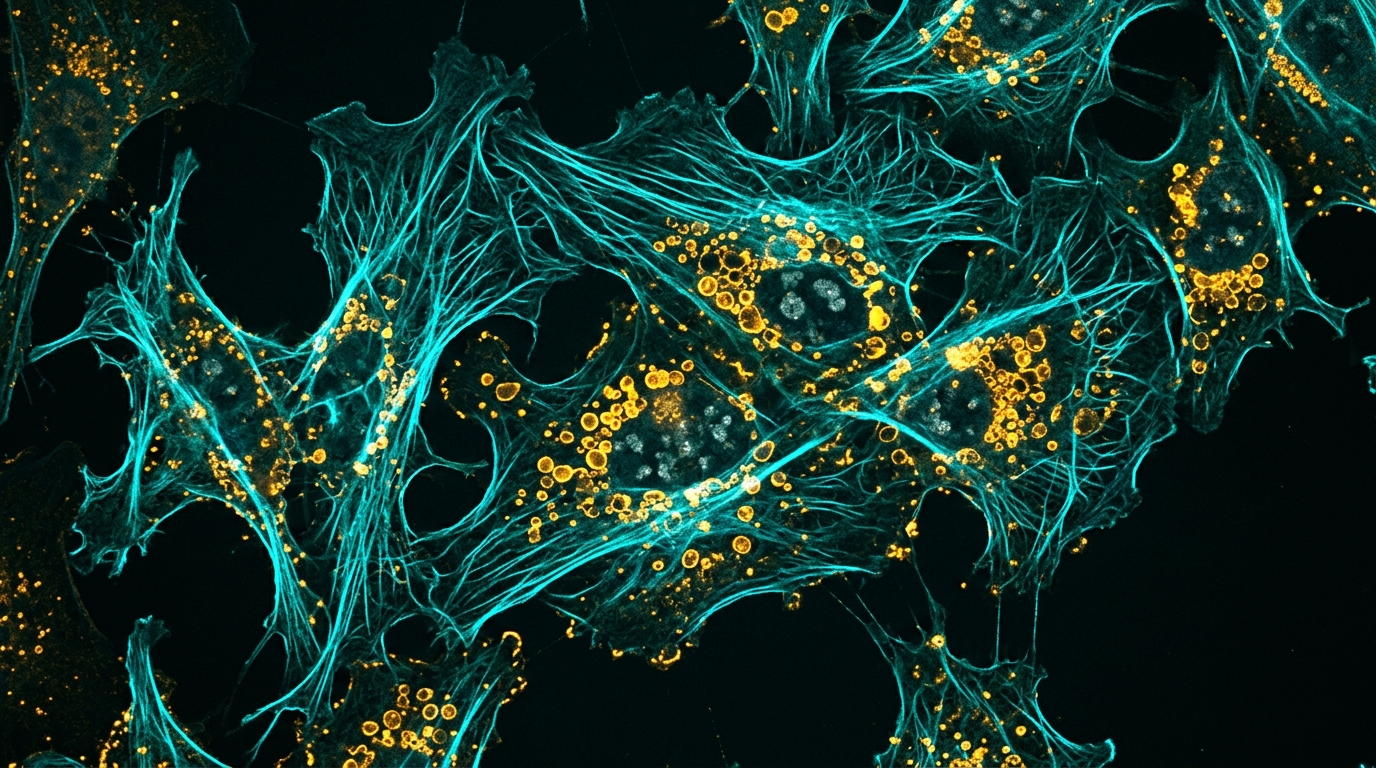
The bioimaging capabilities of CQDs are highlighted through in vitro and in vivo studies, benefiting from their tunable emission, photostability, and low toxicity. In cellular studies, nitrogen-doped CQDs coated with molecularly imprinted polymers selectively labeled human cervical cancer cells, demonstrating their ability to discriminate between cancerous and healthy cells based on the differential expression of specific molecular markers. In vivo, CQDs have been successfully used in zebrafish larvae, where they revealed intense fluorescence in the eyes, yolk sac, and spinal region, suggesting preferential accumulation in melanin-rich tissues. These models provide valuable insights into the biodistribution and biological efficacy of CQDs, supporting their use as versatile fluorescent probes for high-resolution bioimaging.
Emerging applications of CQDs in photodynamic therapy (PDT) emphasize their multifunctional theranostic potential. PDT involves the administration of a photosensitizing agent followed by light irradiation to generate cytotoxic reactive oxygen species, which induce localized oxidative damage leading to cell death. CQDs offer several advantages over traditional photosensitizers, including excellent water dispersibility, tunable optical absorption, and high photostability. For example, yellow-emissive nitrogen-doped CQDs demonstrated a high singlet oxygen quantum yield of 35% and strong phototoxic effects against breast cancer cells under laser irradiation. These properties position CQDs as promising next-generation photosensitizers for the treatment of malignancies, microbial infections, and dermatological disorders.
In drug delivery, CQDs function as efficient nanocarriers due to their high surface-area-to-volume ratio and abundance of surface functional groups. Therapeutic molecules can be conjugated to CQDs through non-covalent adsorption, hydrogen bonding, or covalent linkage, enabling controlled release and targeted delivery. Studies have shown that CQDs loaded with doxorubicin exhibit pH-responsive behavior, with enhanced drug release under acidic conditions representative of tumor tissue. This capability, combined with intrinsic fluorescence, allows for simultaneous imaging and therapy, enhancing treatment precision and efficacy. The integration of chemotherapy and photodynamic therapy within a single CQD-based nanosystem further highlights their value as multifunctional platforms for cancer treatment.
Despite their rapid progress, several practical and translational challenges remain insufficiently addressed in the field of CQDs. A major limitation is the reproducibility of synthesis, as variations in precursor composition and reaction conditions often lead to inconsistencies in particle size and optical properties across different laboratories. The establishment of standardized synthesis and characterization protocols is essential to ensure reproducibility and support scalable production. Additionally, the long-term biosafety and toxicity of CQDs, particularly their chronic toxicity and metabolic fate, require comprehensive investigation before they can advance toward clinical adoption. Complex real-world matrices can also introduce interference in sensing applications, necessitating the development of robust probe-engineering strategies for reliable field deployment.
The clinical translation and commercialization of CQD-based technologies face additional barriers, including scalable manufacturing, regulatory approval pathways, and long-term storage stability. Future research should focus on advanced surface engineering to improve stability and targeting, as well as integration with portable sensing platforms. Continued interdisciplinary collaboration is expected to accelerate the transition of CQDs from laboratory research to practical applications in environmental monitoring and biomedical diagnostics. As the field evolves, the unique properties of CQDs continue to offer immense potential in the rapidly growing areas of biosensing, bioimaging, and theranostics.
Subject of Research: Carbon quantum dots as fluorescent probes: recent developments and applications in environmental and biomedical fields
Article Title: Carbon quantum dots as fluorescent probes: recent developments and applications in environmental and biomedical fields
Article References: Kasirajan, N., & Krishna, K. (2026). Carbon quantum dots as fluorescent probes: recent developments and applications in environmental and biomedical fields. Discover Sensors, 2(1), Article 38. https://doi.org/10.1007/s44397-026-00055-z
Image Credits: AI Generated
DOI: 10.1007/s44397-026-00055-z
Keywords: Carbon, quantum, dots, fluorescent, probes, recent, developments, applications, environmental, biomedical, fields, scientific research
News Source: Katie Riggs. (November 8, 2026). Carbon Quantum Dots Advance Fluorescent Sensing and Bioimaging. Scienmag.