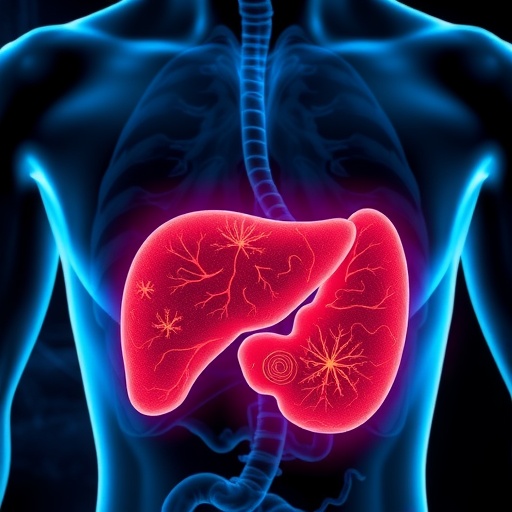
In a groundbreaking study conducted at the Hebrew University of Jerusalem’s School of Pharmacy, researchers led by Prof. Joseph (Yossi) Tam have unveiled novel therapeutic potential in two non-psychoactive compounds found in the cannabis plant, Cannabidiol (CBD) and Cannabigerol (CBG). Unlike the well-known psychoactive cannabinoid THC, both CBD and CBG do not induce euphoric effects, making them particularly appealing candidates for medical intervention. The study reveals that these phytocannabinoids substantially reduce liver fat accumulation while simultaneously enhancing key metabolic functions, suggesting a potent new avenue for combating the world’s most prevalent chronic liver condition: Metabolic dysfunction-associated steatotic liver disease (MASLD), previously known as non-alcoholic fatty liver disease (NAFLD).
MASLD affects roughly one-third of the global adult population and is intricately linked to metabolic syndromes such as obesity, insulin resistance, and hypertension. Current therapeutic options are severely limited, with lifestyle modifications like diet and exercise remaining the primary management strategies. However, these approaches often suffer from poor adherence and modest efficacy, underscoring an urgent need for new pharmacological agents. The work by Prof. Tam and his colleagues uncovers a sophisticated biochemical mechanism by which CBD and CBG reprogram hepatic metabolism, effecting a dual enhancement of intracellular energy buffering and lysosomal activity to improve liver health.
Central to their discovery is the concept of “metabolic remodeling,” a process wherein CBD and CBG shift the liver’s internal energy dynamics. The research highlights an intriguing elevation in phosphocreatine levels within the liver — a molecule traditionally recognized as a rapid energy reserve in muscle tissues but not extensively studied in hepatic contexts. Phosphocreatine acts as an intracellular energy buffer, providing a critical phosphate group reservoir to regenerate ATP during periods of high metabolic demand. By bolstering this system, CBD and CBG enable hepatocytes to better withstand the metabolic stress imposed by high-fat diets, mitigating lipid overload and subsequent cellular damage.
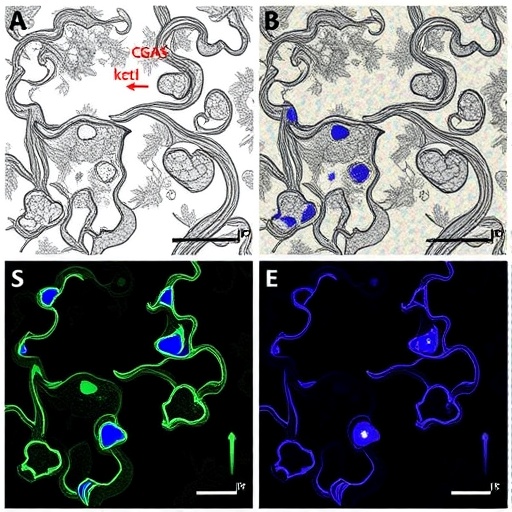
Furthermore, these cannabis-derived compounds restore activity to cathepsins, a family of lysosomal proteases critical for intracellular degradation and recycling pathways. Lysosomes function as the cell’s waste disposal units, breaking down damaged organelles, misfolded proteins, and lipid aggregates. In MASLD, lysosomal function is often impaired, leading to the buildup of toxic lipid species such as triglycerides and ceramides within hepatocytes. Notably, ceramides are bioactive sphingolipids implicated in promoting insulin resistance and hepatocellular inflammation, exacerbating liver dysfunction. Reactivating cathepsin activity via CBD and CBG corrects these lysosomal deficits, facilitating more efficient clearance of harmful lipids and cellular debris.
The study’s experimental design employed advanced biochemical assays and animal models to delineate the distinct but complementary effects of CBD and CBG. Both cannabinoids normalized fasting glucose levels and enhanced glucose clearance rates, key markers of improved systemic metabolic health. However, CBG exhibited a more pronounced impact on reducing adiposity and enhancing insulin sensitivity, surpassing the efficacy of CBD in these domains. Additionally, CBG more effectively lowered total cholesterol and low-density lipoprotein (LDL) levels, potentially conferring cardiovascular benefits alongside hepatic improvements. These nuanced differences underscore the complexity and specificity of cannabinoid actions within metabolic tissues.
Significantly, the identification of lysosomal restoration and energy buffering as dual mechanisms offers new molecular targets for MASLD therapy. By leveraging these pathways, CBD and CBG transcend simple lipid-lowering effects to holistically enhance liver resilience and metabolic homeostasis. This mechanistic insight shifts the paradigm from symptomatic treatment toward addressing underlying cellular dysfunctions driving MASLD progression. Prof. Tam emphasizes, “Our work reveals a previously unrecognized metabolic crosstalk in the liver mediated by cannabinoid-induced phosphocreatine buffering and lysosomal reactivation, which together orchestrate improved lipid handling and cellular clearance.”
While promising, the findings remain preliminary and primarily derived from preclinical models. Translation to human clinical therapeutics will require rigorous investigation into dosage optimization, long-term safety, and potential drug interactions. Moreover, the interplay between these cannabinoids and the endocannabinoid system in diverse patient populations demands further elucidation. Nevertheless, this research illuminates an enticing plant-based strategy with the potential to transform the therapeutic landscape for MASLD, offering hope for a disease that currently lacks effective pharmacotherapies.
The implications of this study extend beyond liver disease. As disruptions in energy metabolism and lysosomal function are central to multiple metabolic disorders, cannabinoids like CBD and CBG could serve as versatile modulators of cellular health in broader contexts. Their dual action may counteract metabolic derangements in adipose tissue, muscle, and pancreas, offering multifaceted benefits for metabolic syndrome and type 2 diabetes management. This sets the stage for comprehensive exploration of cannabinoids as metabolic therapeutics, rekindling scientific interest in these ancient compounds through innovative, mechanistic insights.
In conclusion, the pioneering work led by Prof. Joseph Tam and collaborators not only confirms the therapeutic potential of non-psychoactive cannabis constituents in ameliorating fatty liver disease but also elucidates novel cellular pathways involved in hepatic metabolic regulation. By enhancing phosphocreatine reserves and revitalizing lysosomal function, CBD and CBG enact profound metabolic remodeling, ameliorating MASLD pathophysiology. This research charts a promising course for developing targeted, plant-derived interventions to tackle metabolic diseases that represent a growing global health burden.
Subject of Research: Experimental study on the therapeutic effects of Cannabidiol (CBD) and Cannabigerol (CBG) on metabolic dysfunction-associated steatotic liver disease (MASLD).
Article Title: Cannabidiol and Cannabigerol Ameliorate Steatotic Liver Disease via Phosphocreatine Buffering and Lysosomal Restoration
News Publication Date: 6-Mar-2026
Web References: http://dx.doi.org/10.1111/bph.70387
Image Credits: Credit – Tom Barnea
Keywords: Liver, Cannabinoids, Lysosomal function, Cannabis, Lipid metabolism
Tags: Cannabidiol and Cannabigerol for fatty liver diseasecannabis compounds and metabolic syndromecannabis therapy for obesity-related liver conditionscannabis-derived compounds in chronic liver diseaseCBD and CBG effects on liver metabolismCBD and CBG enhancing hepatic energy bufferingmetabolic dysfunction-associated steatotic liver disease therapynon-alcoholic fatty liver disease pharmacological advancesnon-psychoactive cannabis compounds in liver treatmentnovel cannabis-based treatments for MASLDphytocannabinoids reducing liver fat accumulation