• HOME
  • NEWS
  • EXPLORE
    • CAREER
      • Companies
      • Jobs
    • EVENTS
    • iGEM
      • News
      • Team
    • PHOTOS
    • VIDEO
    • WIKI
  • BLOG
  • COMMUNITY
    • FACEBOOK
    • INSTAGRAM
    • TWITTER
Wednesday, April 1, 2026
BIOENGINEER.ORG
No Result
View All Result
  • Login
  • HOME
  • NEWS
  • EXPLORE
    • CAREER
      • Companies
      • Jobs
        • Lecturer
        • PhD Studentship
        • Postdoc
        • Research Assistant
    • EVENTS
    • iGEM
      • News
      • Team
    • PHOTOS
    • VIDEO
    • WIKI
  • BLOG
  • COMMUNITY
    • FACEBOOK
    • INSTAGRAM
    • TWITTER
  • HOME
  • NEWS
  • EXPLORE
    • CAREER
      • Companies
      • Jobs
        • Lecturer
        • PhD Studentship
        • Postdoc
        • Research Assistant
    • EVENTS
    • iGEM
      • News
      • Team
    • PHOTOS
    • VIDEO
    • WIKI
  • BLOG
  • COMMUNITY
    • FACEBOOK
    • INSTAGRAM
    • TWITTER
No Result
View All Result
Bioengineer.org
No Result
View All Result
Home NEWS Science News Biology

Build an ark? biologists discuss conservation prioritization

Bioengineer by Bioengineer
July 23, 2018
in Biology
Reading Time: 2 mins read
0
Share on FacebookShare on TwitterShare on LinkedinShare on RedditShare on Telegram
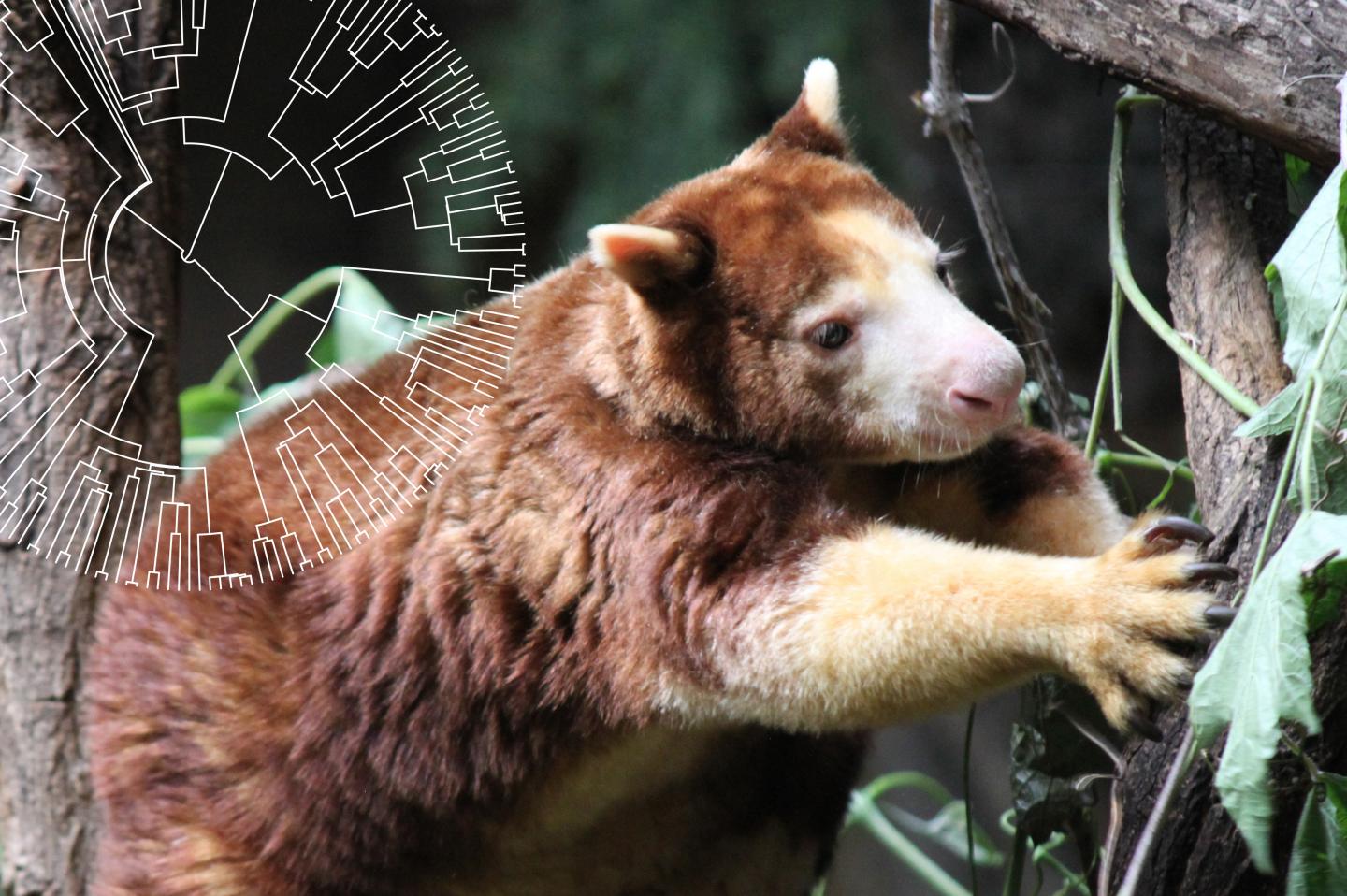
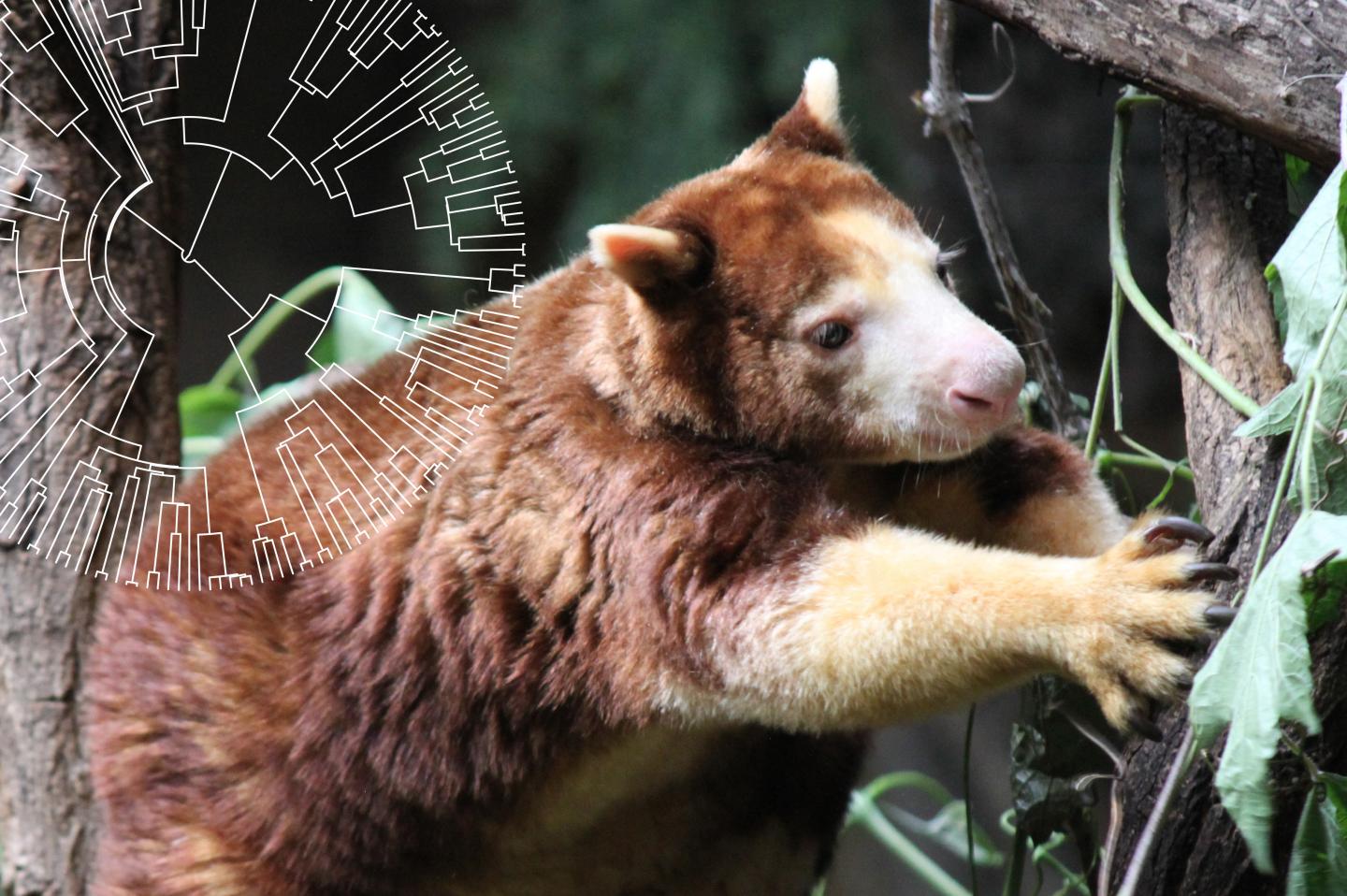
IMAGE

Credit: Florent Mazel

LOGAN, UTAH, USA — Conservation biologists recognize a sobering reality.

"We're losing species left, right and center," says Utah State University scientist Will Pearse. "We call it the 'Noah's Ark Problem,' and we have to pick species to save. We can't save them all."

The biblical mariner seemed capable of building a vessel to accommodate mating pairs of all the world's creatures. The metaphor, today, however, would portray the harried Noah bailing water and valiantly trying to prioritize saving animals most beneficial for the future, as his boat rapidly sank.

Pearse, with colleagues Florent Mazel, Arne Mooers and Caroline Tucker of Simon Fraser University and the University of British Columbia; Marc Cadotte of the University of Toronto, Sandra Diaz of Argentina's National University of Cordoba, Giulio Valentino Dalla Riva of the University of British Columbia, Richard Grenyer of the University of Oxford, Fabien Leprieur of the University of Montpellier and David Mouillot of James Cook University, explore phylogenetic diversity as a metric of conservation prioritization in the July 23, 2018, issue of Nature Communications.

"Our paper tests a fundamental component of conservation biology we refer to as the 'phylogenetic gambit,'" says Pearse, assistant professor in USU's Department of Biology and the USU Ecology Center. "That is, conservation biologists often use species' evolutionary history – their phylogeny – to identify groups of species to save."

This idea is based on the assumption that preserving phylogenetic diversity among species preserves more functional diversity than selecting species to preserve by chance. Functional diversity is important, Pearse says, because it drives ecosystem health and productivity.

"Yet measuring the effectiveness of functional diversity is difficult," he says. "So using phylogenetic diversity as a surrogate for functional diversity has made conservation biology much easier and more effective."

In global datasets of mammals, birds and tropical fishes, the team demonstrates that, for the most part, the phylogenetic gambit holds. Preserving phylogenetic diversity preserves 18 percent more functional diversity than would be expected if species to save were selected at random.

"Worryingly, though, we found in some parts of the world, and in some groups of species, preserving phylogenetic diversity did worse or just the same as random chance," Pearse says. "Luckily, we identified the areas and reasons this was happening, which still makes this selection technique valid and valuable for conservation biologists."

The team's efforts, organized through an international working group initiated by Tucker and Mooers, were funded by the Synthesis Center for Biodiversity Sciences – "sDIV" – based in Leipzig, Germany.

###

Media Contact

Will Pearse
[email protected]
435-797-0831

http://www.usu.edu

Related Journal Article

http://dx.doi.org/10.1038/s41467-018-05126-3

Share14Tweet8Share2ShareShareShare2

Related Posts

Do Your Genes Influence How Lifestyle Choices Affect Aging?

Do Your Genes Influence How Lifestyle Choices Affect Aging?

April 1, 2026
Combining Single-Cell Multiomics Unlocks Precise Identification of Rare Cell Types and States

Combining Single-Cell Multiomics Unlocks Precise Identification of Rare Cell Types and States

March 31, 2026

Genetically Engineered Marmosets Pave the Way for Advancements in Human Deafness Research

March 31, 2026

How Great Hammerhead Sharks Outsmart Ocean Temperature Swings: Insights from FIU Researchers

March 31, 2026
Please login to join discussion

POPULAR NEWS

  • blank

    Revolutionary AI Model Enhances Precision in Detecting Food Contamination

    96 shares
    Share 38 Tweet 24
  • Imagine a Social Media Feed That Challenges Your Views Instead of Reinforcing Them

    1006 shares
    Share 398 Tweet 249
  • Promising Outcomes from First Clinical Trials of Gene Regulation in Epilepsy

    51 shares
    Share 20 Tweet 13
  • Popular Anti-Aging Compound Linked to Damage in Corpus Callosum, Study Finds

    43 shares
    Share 17 Tweet 11

About

We bring you the latest biotechnology news from best research centers and universities around the world. Check our website.

Follow us

Recent News

Household Solid Fuel Raises Frailty Risk in Chinese Adults

FSHR and LHR Compensation Unveils Ovarian Hyperstimulation Mechanisms

Creating Desktop Particle Accelerators to Open New Frontiers in Scientific Research

Subscribe to Blog via Email

Enter your email address to subscribe to this blog and receive notifications of new posts by email.

Join 78 other subscribers
  • Contact Us

Bioengineer.org © Copyright 2023 All Rights Reserved.

Welcome Back!

Login to your account below

Forgotten Password?

Retrieve your password

Please enter your username or email address to reset your password.

Log In
No Result
View All Result
  • Homepages
    • Home Page 1
    • Home Page 2
  • News
  • National
  • Business
  • Health
  • Lifestyle
  • Science

Bioengineer.org © Copyright 2023 All Rights Reserved.