A revolutionary breakthrough in the treatment of severe sickle cell disease (SCD) has been reported from the latest data emerging from the multicenter RUBY Trial, producing highly promising outcomes that could redefine therapeutic strategies for this challenging genetic blood disorder. The findings, published in the prestigious New England Journal of Medicine, demonstrate unprecedented clinical success using a one-time gene-editing cellular therapy, offering hope for a functional cure in a condition previously limited mostly to palliative care or risky bone marrow transplants.
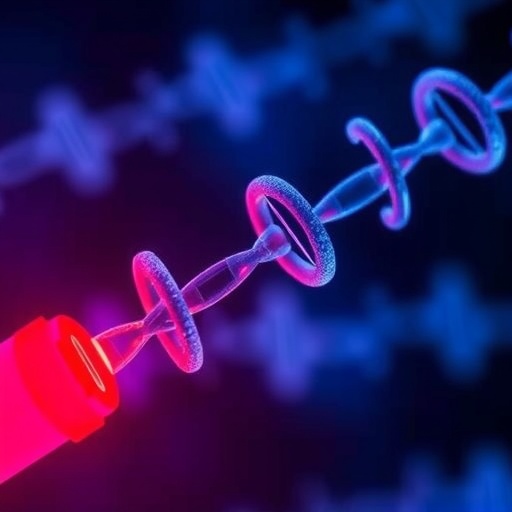
At the core of this innovative treatment, termed Renizgamglogene autogedtemcel (reni-cel), lies precise gene editing using CRISPR-Cas12a technology, targeting the promoters of the HBG1 and HBG2 genes—two critical regulators of fetal hemoglobin production. The therapy leverages the principle that elevating fetal hemoglobin (HbF) levels can prevent the sickling of red blood cells, thereby mitigating the hallmark pathophysiology of SCD. By harvesting patients’ own hematopoietic stem cells and ex vivo editing them to enhance HbF expression, the procedure aims to induce durable hematological remission without the immunological challenges seen in traditional allogeneic bone marrow transplantation.
The RUBY Trial enrolled twenty-eight patients with severe SCD, four of whom were treated at Cleveland Clinic Children’s. Following stem cell extraction, patients underwent a conditioning regimen with chemotherapy designed to ablate their diseased bone marrow, allowing space for the reinfusion of edited cells. This approach avoids graft-versus-host disease risks and donor compatibility issues that historically limited transplant eligibility, particularly given the ethnic disparity in donor registry representation.
Clinical outcomes from the trial have been striking. Post-treatment, 27 out of 28 participants experienced complete resolution of painful sickle cell crises, an outcome physicians have described as a “functional cure.” Hematopoietic recovery was rapid, with key blood cell lineages reconstituted within a month. At six months, patients exhibited a robust rise in total hemoglobin levels, averaging 13.8 g/dL—a substantial increase from the baseline mean of 9.8 g/dL prior to intervention. This level nears the hemoglobin concentration found in healthy individuals, signifying a profound restoration of red blood cell function.
Moreover, fetal hemoglobin levels surged to an average of 48.1% post-treatment and critically remained stable over time, underscoring the durability of the genetic modification. HbF acts as a molecular shield preventing the polymerization of sickle hemoglobin (HbS), thus inhibiting red blood cells from assuming their pathological crescent shape which precipitates vaso-occlusion and hemolysis. Maintaining elevated HbF disrupts this pathological cascade and abrogates typical clinical complications ranging from recurrent severe pain episodes to life-threatening organ damage.
Sickle cell disease remains a formidable lifelong condition characterized by the inheritance of a single nucleotide mutation in the beta-globin gene. This mutation causes hemoglobin molecules to polymerize under hypoxic conditions, distorting red blood cells into rigid, sickle-shaped forms. These aberrant cells disrupt blood flow, lead to chronic hemolytic anemia, and precipitate cumulative organ injury affecting the heart, liver, and other vital tissues. Life expectancy often falls into the mid-40s, despite symptomatic treatment regimens including hydroxyurea and supportive care, underscoring a dire need for transformative therapies.
Bone marrow transplantation has traditionally offered the potential for a definitive cure but is encumbered by substantial limitations including the necessity of a compatible sibling donor, risks of graft rejection, graft-versus-host disease, and high treatment-related morbidity and mortality. The advent of autologous gene editing therapies circumvents many of these barriers by internally correcting the genetic defect in a patient’s own stem cells, minimizing immune complications, and providing a one-time therapeutic intervention.
Renowned experts, including Dr. Rabi Hanna, lead author of the study and chair of Pediatric Hematology-Oncology at Cleveland Clinic Children’s, emphasized that the technology’s core advantage is its immunity to rejection, differentiating it significantly from allogeneic transplants. The goal of achieving a “functional cure” aims not only to alleviate symptoms but also to forestall the irreversible organ damage caused by recurrent sickling episodes, thereby altering the disease trajectory profoundly.
Cleveland Clinic Children’s, an integral part of the broader Cleveland Clinic health system, provided pivotal patient care during the trial. Their specialized expertise in pediatric hematology and stem cell transplantation facilities along with comprehensive lifelong support services underscores the importance of multidisciplinary approaches in managing complex genetic disorders like SCD. The center’s involvement highlights the translational impact of cutting-edge research toward real-world clinical applications.
The implications of this gene-editing breakthrough extend far beyond sickle cell disease, reflecting a growing paradigm shift in medical genetics and regenerative medicine. CRISPR-Cas systems offer unprecedented specificity and efficiency in genome manipulation, opening avenues for treating a broad spectrum of inheritable diseases. The success of this trial adds momentum to precision medicine strategies that harness autologous cell therapies for durable cures.
Sponsored by Editas Medicine, the RUBY Trial stands as a testament to the collaborative innovation between industry, academia, and clinical institutions striving to eradicate devastating genetic diseases. As regulatory approvals and expanded trials progress, these findings substantiate a hopeful future wherein previously incurable hematologic disorders can be treated safely and effectively through gene editing.
This scientific milestone not only promises to improve the lives and longevity of individuals afflicted with sickle cell disease but also symbolizes the growing power of human ingenuity in decoding and correcting our genetic blueprints. The functional cure evidenced by this trial resonates as a beacon of transformative potential in the ongoing war against genetic disorders.
Subject of Research: Gene-editing therapy for severe sickle cell disease using CRISPR-Cas12a
Article Title: CRISPR-Cas12a–mediated editing of HBG1 and HBG2 promoters to treat SCD
News Publication Date: 1-Apr-2026
Web References:
New England Journal of Medicine: https://www.nejm.org/doi/full/10.1056/NEJMoa2415550
RUBY Trial clinical details: https://www.clinicaltrials.gov/study/NCT04853576
Cleveland Clinic Sickle Cell Disease Treatment Center: https://my.clevelandclinic.org/services/sickle-cell-disease-treatment
References: Published study in New England Journal of Medicine, DOI 10.1056/NEJMoa2415550
Keywords: Sickle cell disease, gene editing, CRISPR-Cas12a, fetal hemoglobin, hematopoietic stem cells, autologous cell therapy, genetic blood disorders, functional cure, pediatric hematology, regenerative medicine
Tags: avoiding bone marrow transplant risksCRISPR-Cas12a gene editingdurable hematological remission in SCDex vivo stem cell editingfetal hemoglobin induction in SCDgene editing therapy for sickle cell diseasegenetic blood disorder therapieshematopoietic stem cell gene therapyone-time gene editing cureRenizgamglogene autogedtemcel treatmentRUBY Trial sickle cell treatmentsevere sickle cell disease clinical trial