Adding structural brain magnetic resonance imaging parameters to standard clinical indicators did not improve the statistical discrimination of abnormal cognitive screening results among people living with HIV, according to a prospective cross-sectional study published in AIDS Research and Therapy. The investigation evaluated whether combining laboratory markers of immune status with automated volumetric measurements of regional brain anatomy could enhance the identification of individuals presenting with reduced cognitive performance.
HIV-associated neurocognitive disorder remains a frequent complication among people living with HIV, with potential consequences that include impaired quality of life and diminished adherence to antiretroviral treatment regimens in severe manifestations. While previous research has linked both immunological health and cerebral anatomical alterations to cognitive dysfunction, empirical evidence assessing the combined utility of routine clinical indicators and three-dimensional structural neuroimaging for cognitive impairment risk assessment has remained sparse.
To address this diagnostic question, investigators conducted a single-center prospective cross-sectional study evaluating 75 adult participants living with HIV. The cohort exhibited a marked male predominance, comprising 69 men, or 92.0 percent of the sample, with a median overall age of 39 years and an interquartile range extending from 33 to 49 years. The median score on the Montreal Cognitive Assessment across the cohort was 26, with an interquartile range between 23 and 29.
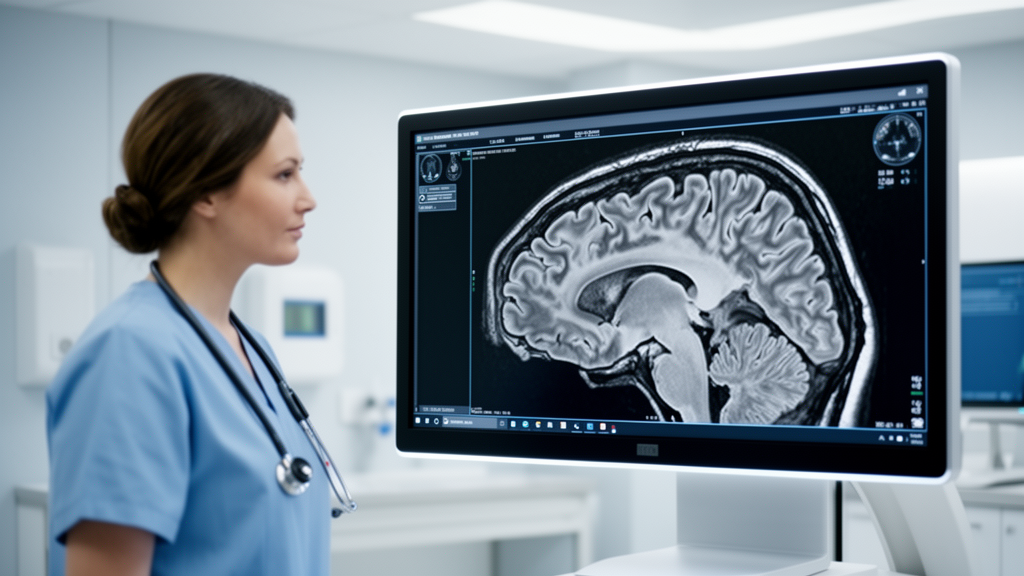
Participants completed standardized clinical evaluations, laboratory blood testing, cognitive screening, and neuroimaging assessments during coordinated single-day testing protocols. Laboratory evaluations quantified immunological indices, specifically including CD3-positive T-cell, CD4-positive T-cell, and CD8-positive T-cell counts, alongside red blood cell counts and assessments of systemic vascular and hepatic health. High-resolution three-dimensional T1-weighted structural brain magnetic resonance imaging was conducted concurrently, using automated computational segmentation to derive regional brain volumes that were subsequently standardized and analyzed as relative volumes.
Cognitive screening categorized participants into two primary analytical cohorts using an established threshold: 32 individuals, representing 42.7 percent of the total sample, demonstrated a Montreal Cognitive Assessment score below 26, whereas the remaining 43 participants achieved a score of 26 or higher. Initial between-group comparative analyses revealed that participants in the lower-scoring cohort exhibited significantly higher rates of hypertension and abnormal liver function compared to their peers who scored 26 or above.
Initial comparisons also identified distinct biological and neuroanatomical differences between the two performance groups. Individuals scoring below 26 displayed significantly lower circulating CD3-positive T-cell counts, lower CD4-positive T-cell counts, and reduced red blood cell counts. Furthermore, neuroimaging analysis revealed that participants with lower cognitive screening scores possessed significantly smaller relative gray matter volumes in both the right temporal lobe and bilaterally across both temporal lobes when compared against participants with preserved screening scores.
Despite these preliminary bivariate differences, multivariable logistic regression modeling adjusting for clinically relevant confounding factors revealed that none of the individual variables remained statistically significant independent predictors of abnormal cognitive screening. Neither peripheral CD4-positive T-cell counts nor right temporal lobe relative gray matter volume retained independent statistical significance once entered into adjusted multivariable models.
Receiver operating characteristic curve analyses demonstrated that a baseline clinical model yielded an area under the curve of 0.759 for discriminating between participants with scores below 26 and those scoring 26 or higher. Constructing a combined model that incorporated both clinical indicators and structural magnetic resonance imaging features yielded an identical area under the curve of 0.759, demonstrating that the structural neuroimaging parameters provided no incremental discriminative advantage over clinical parameters alone.
The study authors concluded that abnormal cognitive screening among people living with HIV reflects a complex, multifactorial biological state associated with divergent immunological profiles, vascular risk factors, and structural neuroanatomy. The researchers emphasized that the cross-sectional and single-center framework limits causal interpretations, noting that future validation requires larger multicenter longitudinal cohorts. Additionally, the substantial male predominance of the participant sample necessitates caution before generalizing these findings to female populations.
Subject of Research: Evaluation of clinical immunological indicators and structural brain MRI features for cognitive screening discrimination in people living with HIV
Article Title: Associations of cognitive function screening results with clinical immunological indicators and structural brain MRI features in people living with HIV: a cross-sectional study
Article References: Xiong, L., Li, T., He, J., Zhang, S., Wan, T., Lu, X., Gao, Y., Xiong, W., Ge, Y., Cai, L., & Hou, K. (2026). Associations of cognitive function screening results with clinical immunological indicators and structural brain MRI features in people living with HIV: a cross-sectional study. AIDS Research and Therapy. https://doi.org/10.1186/s12981-026-00986-y
Image Credits: AI Generated
DOI: 10.1186/s12981-026-00986-y
Keywords: HIV-associated neurocognitive disorder, Montreal Cognitive Assessment, structural brain MRI, immunological indicators, CD4 T-cell count, CD3 T-cell count, CD8 T-cell count, temporal lobe volume, gray matter volume, cross-sectional study, receiver operating characteristic, area under the curve, hypertension, liver function, neuroimaging, automated brain segmentation
News Source: Cassandra Pierce. (November 23, 2026). Brain MRI Features Fail to Improve HIV Cognitive Impairment Screening Models. Scienmag.