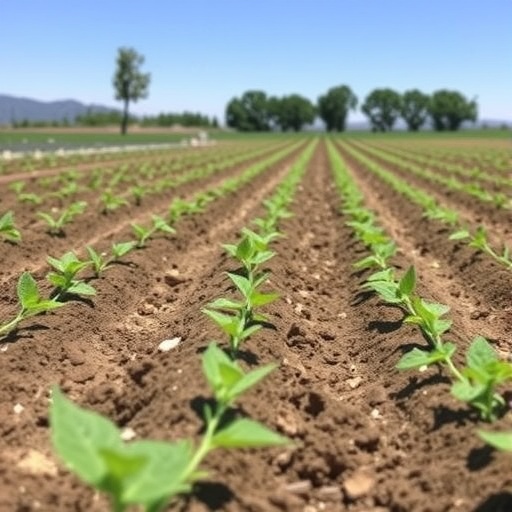
In recent years, global agricultural systems have increasingly faced the challenges posed by climate change, particularly drought stress. The phenomenon of drought, characterized by prolonged periods of deficient precipitation, poses a significant threat to crop yields and food security worldwide. Innovative and sustainable agricultural practices are critical in addressing these challenges. Recent research has highlighted the potential of soil amendments as a vital strategy to mitigate the effects of drought stress on crops. Soil amendments, which include organic and inorganic materials added to soils, have shown promise in enhancing soil structure, increasing moisture retention, and improving nutrient availability, thereby supporting plant growth even in water-scarce conditions.
Studies indicate that soil amendments can play a significant role in enhancing the physical and chemical properties of soil. By incorporating materials such as compost, biochar, and other organic matter, farmers can improve soil aggregation and porosity. This, in turn, facilitates better water infiltration and retention in arid regions, where water scarcity is a constant challenge. The addition of organic materials also promotes microbial activity, which is essential for nutrient cycling and improving overall soil health. These processes create a more resilient growing environment for crops, making them better prepared to withstand periods of drought.
The choice of soil amendment can significantly influence its effectiveness in drought mitigation. Each amendment comes with unique properties that can either enhance or diminish its potential benefits. For instance, biochar has garnered attention for its ability to improve soil fertility and moisture retention. When added to the soil, biochar can enhance the soil’s capacity to retain water, allowing crops to survive longer during dry spells. Additionally, biochar can sequester carbon and reduce greenhouse gas emissions, adding an environmental dimension to its agricultural benefits.
Another promising soil amendment is compost, which not only improves soil structure but also supplies plants with essential nutrients. The application of compost can boost the organic matter content of the soil, thereby promoting better moisture retention. Furthermore, compost enhances the diversity and activity of soil microorganisms, which contribute to healthier plant growth. This microbial activity is crucial for processes such as nitrogen fixation and phosphorus solubilization, which are vital for crop yield during drought conditions.
The effects of soil amendments extend beyond simple moisture retention. Research has also revealed that amendments can affect the physiological responses of plants facing drought stress. For example, certain organic amendments can enhance root development, allowing plants to access deeper soil moisture reserves. This deeper root growth can be particularly beneficial in dry conditions, where moisture is often found below the surface. Additionally, some amendments have been shown to influence the stomatal conductance of plants, potentially reducing water loss through transpiration and conserving precious moisture.
The role of soil amendments in drought mitigation is not exclusively beneficial; there are potential limitations and challenges that need to be addressed. The efficacy of soil amendments can vary significantly depending on soil type, crop species, and regional climate conditions. As a result, it is critical for agricultural practitioners to conduct localized assessments to determine which amendments are best suited for their specific contexts. Furthermore, the application of amendments can be resource-intensive, requiring time, labor, and financial investment, which may not be feasible for all farmers, particularly in developing regions.
Despite these challenges, the application of soil amendments holds great promise in enhancing agricultural resilience to drought. Integrated approaches that combine the use of amendments with other sustainable practices, such as crop rotation and conservation tillage, can create synergistic effects that further enhance soil health and crop productivity. Policymakers and agricultural extension services should promote education and outreach programs to help farmers understand the benefits and proper application techniques for soil amendments, ensuring that these practices are accessible and economically viable.
In addition to enhancing drought resilience, the utilization of soil amendments contributes to broader environmental benefits. Improved soil health can lead to increased biodiversity above and below ground, while reduced dependency on chemical fertilizers minimizes negative impact on water quality. This holistic approach to agricultural management aligns with sustainable development goals and emphasizes the interconnectedness of agricultural practices with environmental health and ecosystem services.
The emerging research on soil amendments is part of a broader movement towards regenerative agriculture, which seeks to improve the resilience of food systems while addressing climate change. As the pressure on global agriculture intensifies, the potential to harness natural solutions, such as soil amendments, presents an optimistic pathway forward. The commitment to sustainable agricultural practices is not just a response to immediate challenges but also a long-term investment in the health of our ecosystems and the future of food security.
Future research should focus on developing guidelines for the effective use of soil amendments tailored to specific agricultural systems. This research would need to encompass a range of factors including soil types, crop species, and climatic conditions. Additionally, the exploration of novel amend materials, including the use of waste products and by-products from various industries, could lead to innovative solutions that support both soil health and economic sustainability. A concerted effort in research, policy, and practice is essential to unlock the full potential of soil amendments in combating drought stress in agriculture.
In sum, as the daunting impacts of climate change unfold, the agricultural sector must innovate and adapt to ensure food security for future generations. Soil amendments present a viable and promising avenue for enhancing drought resilience in crops. The multiple benefits of improved soil health, enhanced moisture retention, and increased nutrient availability illustrate the importance of integrating these practices into mainstream agriculture. The path forward must involve collaboration among researchers, policymakers, and farmers to foster an agricultural landscape that is both productive and resilient in the face of environmental uncertainty.
In light of these findings, it is imperative that stakeholders in agricultural communities take proactive steps toward the integration of soil amendments into their farming practices. Collaboration among scientists, agronomists, and farmers can drive a translational approach to research, ensuring that valuable insights gleaned from studies like this systematic review are effectively communicated and implemented on the ground. By converting research into practical applications, the agricultural community can forge a path toward a more sustainable and resilient future.
As we look towards the future, the integration of soil amendments into farming practices is not merely an option but a necessity for adapting to changing climates. The renewal of soil health has far-reaching implications, not just for crop production but also for ecosystem resilience, biodiversity, and the well-being of farming communities. Collectively, through innovative practices and shared knowledge, we can cultivate a landscape fortified against the challenges of drought and climate variability.
Subject of Research: The potential of soil amendments in mitigating drought stress in crops.
Article Title: A systematic review of the potential of soil amendments in mitigating drought stress in crops.
Article References:
Hajirad, I., Pourmohammad, P. & Ahmadaali, J. A systematic review of the potential of soil amendments in mitigating drought stress in crops.
Discov Agric 4, 28 (2026). https://doi.org/10.1007/s44279-026-00476-9
Image Credits: AI Generated
DOI: https://doi.org/10.1007/s44279-026-00476-9
Keywords: Soil amendments, drought stress, crop resilience, sustainable agriculture, soil health.
Tags: climate change and agriculturecompost and biochar benefitsdrought stress mitigationenhancing soil health for cropsimproving agricultural productivity under droughtnutrient availability in drought conditionsorganic soil improvementsresilient crop managementsoil amendments for agriculturesoil structure enhancement techniquessustainable farming practiceswater retention strategies in farming