


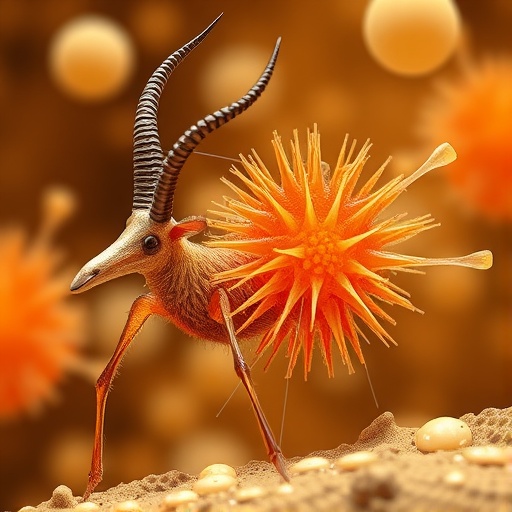
Recent research has unveiled fascinating insights into the interplay between gut microbiota and host health, particularly in the vulnerable Tibetan antelope, scientifically known as Pantholops hodgsonii. The study, led by Yu et al. and published in BMC Genomics, delves into how Blastocystis infection within this unique species can enhance the biosynthesis of essential vitamins such as B and K2. This groundbreaking discovery not only sheds light on the nutritional dynamics in the digestive tract of these animals but also stimulates broader discussions about the implications for wildlife health and conservation.
The Tibetan antelope, adapted to thrive in inhospitable environments at high altitudes, possesses a gut microbiota shaped by its distinct dietary habits and extreme habitat. This study reveals a sophisticated relationship between the antelope and its microbiota, highlighting how microbial populations interact with pathogenic organisms like Blastocystis. The presence of Blastocystis, typically examined in human and domestic animal health, is now shown in a wild species, suggesting that such infections could have beneficial roles under certain ecological contexts.
Exploring the microbiome of the Tibetan antelope reveals a complex network of microorganisms that evolve with their host. When examined in detail, it appears that the presence of Blastocystis results in enhanced synthesis rates of vitamin B and K2. These vitamins play critical roles in multiple physiological processes, including energy production, blood coagulation, and bone health. The implications of this are significant, as they suggest that organisms like the Tibetan antelope may harness certain infections to improve their nutritional profiles.
What stands out in this novel research is the emphasis on the gut microbiota’s capacity to adapt and react to parasitic infections. This adaptability highlights a previously unrecognized aspect of the gut’s ecosystem—rather than merely succumbing to infection, host organisms can potentially benefit from their microbiota’s response to such challenges. The findings challenge conventional views on parasitic infections, reframing them as possibly beneficial under specific ecological conditions.
The study meticulously analyses samples from a diverse population of Tibetan antelopes. Utilizing high-throughput sequencing technologies, the researchers identified a marked increase in microbial taxa associated with vitamin synthesis during instances of Blastocystis infection. By isolating these microbial communities, they were able to draw connections between gut health, nutrition, and even wider ecological impacts on the Tibetan plateau.
Incorporating metagenomic analyses allowed the team to establish a comprehensive profile of the microbiome, revealing various microbial species previously under-researched in the context of wildlife. The increased production of vitamins B and K2 is reported as being pivotal for nutritional health, especially given the harsh environmental stressors faced by these animals in their natural habitat. Such findings advocate for a paradigm shift in understanding the role of parasitic organisms and the microbiome as collaborative partners in enhancing host fitness.
Furthermore, the study suggests that such microbial interactions may be pivotal in keeping wild populations resilient against factors like climate change and habitat loss. The ability of the antelope to enhance its nutrient acquisition through its microbiota could be crucial in maintaining health and fitness in increasingly challenging environments. It raises important questions regarding wildlife conservation strategies and the need to monitor the gut health of wild populations in conjunction with their broader ecological challenges.
Critically, the implications of these findings extend beyond this single species. The relationship between gut microbiota and health is a burgeoning field of research, with potential applications in agriculture, conservation, and even human health. Understanding how wild animals benefit from certain gut infections could inspire innovative interventions in veterinary medicine and wildlife management.
Moreover, the data opens up avenues for future research on the role of Blastocystis in non-domestic species. Are there similar beneficial interactions occurring in other wildlife populations? How do microbial-induced vitamin synthesis pathways differ across species and environments? Such inquiries will deepen our understanding of microbial ecology and evolution in wildlife.
In conclusion, the research led by Yu and colleagues not only reveals significant findings about the Tibetan antelope but also invites us to rethink our understanding of host-parasite relationships. By uncovering the complex dynamics of microbial interactions within these majestic creatures, we can appreciate the intricacies of nature and the hidden advantages that seemingly detrimental infections may offer. The study lays a foundation for future explorations into wildlife microbiomes, paving the way for novel ecological and conservation strategies.
This revolutionary study not only adds to our understanding of the Tibetan antelope but further establishes the critical importance of microbiota research in ecological health and conservation. As researchers continue to unravel the secrets of microbial communities, introducing new methodologies and perspectives will be essential to harness the potential of biology for the greater good of the planet.
Ultimately, the intersection of microbiology and wildlife conservation presents new opportunities for addressing key issues in environmental science. The fascinating findings of this research present a clarion call for more extensive studies in wildlife microbiomes, and how these microbial ecosystems could be key to ensuring the sustainability of vulnerable species across the globe. As we venture into a future marked by climate challenges, the quest for knowledge in this domain will be invaluable.
Subject of Research: The impact of Blastocystis infection on vitamin biosynthesis in the gut microbiota of Tibetan antelopes.
Article Title: Blastocystis infection enhances vitamins B and K2 biosynthesis in the Tibetan antelope (Pantholops hodgsonii) gut microbiota.
Article References:
Yu, HL., Elsheikha, H.M., Liang, HR. et al. Blastocystis infection enhances vitamins B and K2 biosynthesis in the Tibetan antelope (Pantholops hodgsonii) gut microbiota. BMC Genomics 27, 40 (2026). https://doi.org/10.1186/s12864-025-12269-3
Image Credits: AI Generated
DOI: https://doi.org/10.1186/s12864-025-12269-3
Keywords: Tibetan antelope, Blastocystis, gut microbiota, vitamin biosynthesis, wildlife conservation, microbial ecology, parasitic infections.
Tags: Blastocystis infection benefitsecological roles of gut pathogensessential vitamins in wildlifegut health and disease interactionsgut microbiome researchhigh altitude adaptation in antelopesmicrobial interactions in animalsnutritional dynamics in wild speciesPantholops hodgsonii microbiomeTibetan antelope gut microbiotavitamin B and K2 synthesiswildlife health and conservation



