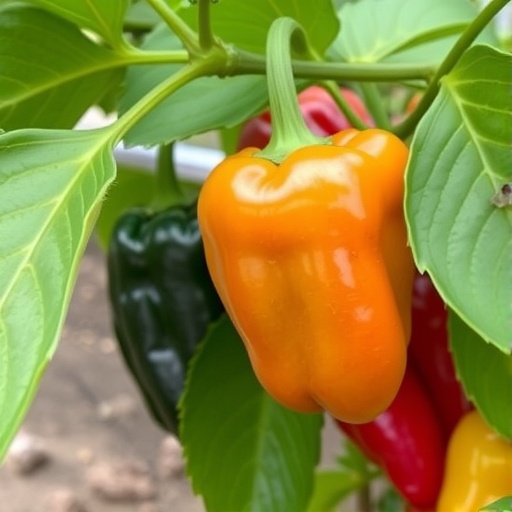
In a groundbreaking study that has significant implications for sustainable agriculture, researchers Yilma, Tadesse, and Alemu have explored the biocontrol potential of two remarkable bacterial genera: Bacillus and Pseudomonas. Their research focuses on these bacteria’s ability to combat Fusarium oxysporum, a notorious pathogen responsible for wilt disease in chili pepper crops in Ethiopia. This research is particularly timely, given the increasing concerns surrounding the use of chemical pesticides and their detrimental effects on health and the environment.
Ethiopia’s agricultural landscape is particularly vulnerable to various challenges, one of which is the wilt disease caused by Fusarium oxysporum. This pathogen has wreaked havoc on chili pepper production, leading to significant economic losses for farmers. In their quest for sustainable solutions, the research team set out to investigate the roles of Bacillus and Pseudomonas species as biological control agents. Both these genera are well-known in agricultural microbiology for their ability to promote plant health and suppress various plant pathogens.
The researchers employed a range of methodological approaches to assess the efficacy of these bacterial species. They isolated several strains of Bacillus and Pseudomonas from the local soil and evaluated their antagonistic activities against Fusarium oxysporum. Using in vitro assays, they were able to measure the extent to which these bacteria could inhibit the growth of the fungal pathogen. The results were promising, showcasing a significant reduction in the growth of Fusarium when co-cultured with the bacteria.
One key finding of the study was the complexity of interactions between the bacteria and the pathogen. The researchers determined that certain strains of Bacillus exhibited potent antifungal properties, potentially due to the production of lipopeptides and other bioactive compounds that inhibit fungal growth. Similarly, some strains of Pseudomonas were found to produce secondary metabolites that could effectively hinder the development of Fusarium oxysporum. This natural biological warfare is a testament to the remarkable adaptability and resilience of these beneficial microorganisms.
Beyond the laboratory, the researchers aimed to understand how these bacteria could be effectively utilized in agricultural practices. They conducted field trials to assess the impact of applying Bacillus and Pseudomonas as biocontrol agents in comparison to traditional chemical fungicides. Surprisingly, the field data indicated that the biological treatments were not only effective in controlling wilt disease but also enhanced the overall health of chili pepper plants. The results suggested that the implications of using these bacteria extend beyond mere disease management; they could contribute to improved soil health and increased crop yield.
This study shines a light on the urgent need to shift from chemical-based agricultural practices to more sustainable approaches that harness nature’s own mechanisms for pest control. The successful application of Bacillus and Pseudomonas species could pave the way for a new paradigm in agricultural disease management, offering farmers an eco-friendly alternative to harmful pesticides. Furthermore, the research underscores the importance of preserving biodiversity within soil ecosystems, as the presence of these beneficial bacteria can lead to healthier crops and more resilient agroecosystems.
What sets this research apart in the field of biological control is the holistic approach adopted by the researchers. They not only considered the efficacy of Bacillus and Pseudomonas against Fusarium oxysporum but also examined the ecological implications of introducing these bacteria into agricultural systems. This dual focus is essential for fostering sustainable agriculture practices that prioritize environmental health while maximizing crop productivity.
As the demand for chili peppers continues to rise, the findings from this study are poised to make a significant impact on Ethiopia’s agricultural viability. By leveraging natural biocontrol agents, farmers can protect their crops from devastating diseases without compromising their health or that of the environment. The transition toward biocontrol methods would also serve to strengthen the local economy by promoting sustainable agricultural practices that lead to higher yields and better-quality produce.
The future of agriculture may well depend on innovations like those explored in this research. The synergy between plants and beneficial microbes offers a glimpse into a more sustainable agricultural future – one that is rooted in ecological integrity. It is imperative that policymakers, agricultural stakeholders, and researchers collaborate to promote the widespread adoption of these findings, ensuring that sustainable methods become the norm rather than the exception in tackling agricultural challenges.
The global agricultural community can draw valuable lessons from the findings of this study. As climate change continues to pose new challenges to food security, employing biocontrol agents such as Bacillus and Pseudomonas not only supports resilience against diseases but also contributes to a holistic approach to farming that could mitigate the impacts of environmental changes. Sustainable agriculture is not merely an aspiration; it is a necessity for future generations.
In conclusion, Yilma, Tadesse, and Alemu’s research highlights the immense potential of harnessing beneficial microorganisms to combat plant diseases. With growing evidence supporting the efficacy of these biocontrol agents, there is hope for transforming agricultural practices that prioritize health, sustainability, and production efficiency. The road ahead for Ethiopian farmers – and indeed farmers worldwide – could be one marked by innovation and ecological balance, thanks to the remarkable properties of Bacillus and Pseudomonas species.
Subject of Research: Biocontrol potential of Bacillus and Pseudomonas species against Fusarium oxysporum
Article Title: Biocontrol potential of Bacillus and Pseudomonas species against Fusarium oxysporum, a causative agent of chili pepper wilt disease in Ethiopia
Article References:
Yilma, E., Tadesse, F. & Alemu, T. Biocontrol potential of Bacillus and Pseudomonas species against Fusarium oxysporum, a causative agent of chili pepper wilt disease in Ethiopia. Discov Agric 3, 261 (2025). https://doi.org/10.1007/s44279-025-00445-8
Image Credits: AI Generated
DOI: https://doi.org/10.1007/s44279-025-00445-8
Keywords: Bacillus, Pseudomonas, Fusarium oxysporum, biocontrol, sustainable agriculture, chili pepper, Ethiopia, plant disease management, ecological farming, microbial interactions.
Tags: Bacillus and Pseudomonas in agriculturebacterial antagonists in crop protectionbiocontrol strategies for Fusarium wiltbiological control agents for plant pathogenschallenges in Ethiopian agriculturechili pepper production sustainabilityeconomic impact of wilt disease in Ethiopiaenvironmentally friendly pest managementFusarium oxysporum in chili peppersinnovative agricultural research methodsreducing chemical pesticide usesustainable agriculture practices