• HOME
  • NEWS
  • EXPLORE
    • CAREER
      • Companies
      • Jobs
    • EVENTS
    • iGEM
      • News
      • Team
    • PHOTOS
    • VIDEO
    • WIKI
  • BLOG
  • COMMUNITY
    • FACEBOOK
    • INSTAGRAM
    • TWITTER
Wednesday, April 1, 2026
BIOENGINEER.ORG
No Result
View All Result
  • Login
  • HOME
  • NEWS
  • EXPLORE
    • CAREER
      • Companies
      • Jobs
        • Lecturer
        • PhD Studentship
        • Postdoc
        • Research Assistant
    • EVENTS
    • iGEM
      • News
      • Team
    • PHOTOS
    • VIDEO
    • WIKI
  • BLOG
  • COMMUNITY
    • FACEBOOK
    • INSTAGRAM
    • TWITTER
  • HOME
  • NEWS
  • EXPLORE
    • CAREER
      • Companies
      • Jobs
        • Lecturer
        • PhD Studentship
        • Postdoc
        • Research Assistant
    • EVENTS
    • iGEM
      • News
      • Team
    • PHOTOS
    • VIDEO
    • WIKI
  • BLOG
  • COMMUNITY
    • FACEBOOK
    • INSTAGRAM
    • TWITTER
No Result
View All Result
Bioengineer.org
No Result
View All Result
Home NEWS Science News Health

Bakaletz Lab biofilm work published in Proceedings of the National Academy of Sciences

Bioengineer by Bioengineer
July 13, 2017
in Health
Reading Time: 2 mins read
0
Share on FacebookShare on TwitterShare on LinkedinShare on RedditShare on Telegram

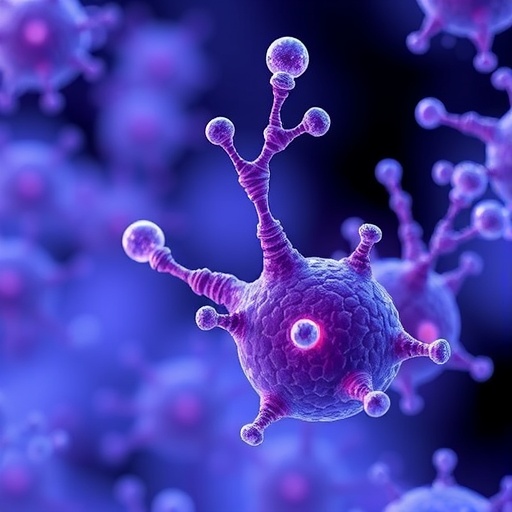
The laboratory of Lauren Bakaletz, PhD, director, Center for Microbial Pathogenesis and vice president of basic sciences, The Research Institute at Nationwide Children's, studied the biofilm construction capabilities of nontypeable Haemophilus influenzae (NTHI), a bacterium responsible for sinusitis, pneumonia, exacerbations of cystic fibrosis and COPD, bronchitis and ear infections. Biofilms are large 3D communities of bacteria that adhere to body surfaces and protect bacteria from environmental stressors such as antibiotics and antibodies. The lab found that when H. influenzae builds its biofilms, it does so via an active and regulated means while remaining intact, unlike other bacteria which self-sacrifice in order to contribute to the biofilm. Other types of bacteria either explode, sending their DNA into the biofilm, or shuttle their DNA out into the environment through a syringe-like appendage produced by the bacterium, all to benefit the potency of the biofilm.

The novel mechanism by which nontypeable H. influenzae releases DNA through an inner membrane pore complex that partners with another complex in the outer membrane allows DNA to be ejected out into the biofilm, via a previously unidentified process.

"We're very excited that our work with biofilms has been accepted for publication by the Proceedings of the National Academy of Sciences," says Dr. Bakaletz. "Our lab hopes to use what we've learned about H. influenzae biofilms to identify vaccine targets as well as improve existing methods of therapeutic treatment for the diseases of the respiratory tract caused by this prevalent pathogen."

###

Media Contact

Gina Bericchia
[email protected]
614-355-0495
@NationwideKids

http://www.NationwideChildrens.org

http://www.nationwidechildrens.org/news-room-articles/bakaletz-lab-biofilm-work-published-in-proceedings-of-the-national-academy-of-sciences?contentid=164122

Related Journal Article

http://dx.doi.org/10.1073/pnas.1705508114
Share12Tweet8Share2ShareShareShare2

Related Posts

Dorsoventral Hippocampus Reactivates After Aversive Sleep

April 1, 2026

ALDH1L2 Controls ROS and Pancreatic Cell Changes

April 1, 2026

Tim-3 Agonist Limits ILC2, Eases Airway Reactivity

April 1, 2026

Phages Modify Cytosine via Hydroxylation and Arabinofuranosylation

April 1, 2026
Please login to join discussion

POPULAR NEWS

  • blank

    Revolutionary AI Model Enhances Precision in Detecting Food Contamination

    96 shares
    Share 38 Tweet 24
  • Imagine a Social Media Feed That Challenges Your Views Instead of Reinforcing Them

    1006 shares
    Share 398 Tweet 249
  • Promising Outcomes from First Clinical Trials of Gene Regulation in Epilepsy

    51 shares
    Share 20 Tweet 13
  • Popular Anti-Aging Compound Linked to Damage in Corpus Callosum, Study Finds

    43 shares
    Share 17 Tweet 11

About

We bring you the latest biotechnology news from best research centers and universities around the world. Check our website.

Follow us

Recent News

Dorsoventral Hippocampus Reactivates After Aversive Sleep

ALDH1L2 Controls ROS and Pancreatic Cell Changes

Tim-3 Agonist Limits ILC2, Eases Airway Reactivity

Subscribe to Blog via Email

Enter your email address to subscribe to this blog and receive notifications of new posts by email.

Join 78 other subscribers
  • Contact Us

Bioengineer.org © Copyright 2023 All Rights Reserved.

Welcome Back!

Login to your account below

Forgotten Password?

Retrieve your password

Please enter your username or email address to reset your password.

Log In
No Result
View All Result
  • Homepages
    • Home Page 1
    • Home Page 2
  • News
  • National
  • Business
  • Health
  • Lifestyle
  • Science

Bioengineer.org © Copyright 2023 All Rights Reserved.