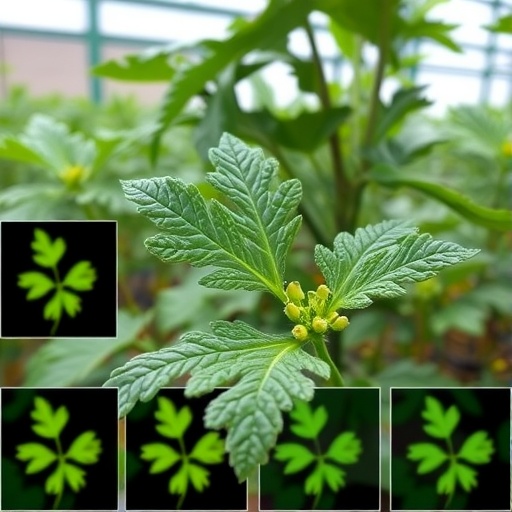
In a rapidly evolving world, the agricultural sector is increasingly turning to technology to enhance productivity and combat the various challenges posed by plant diseases. The burgeoning field of artificial intelligence (AI) has emerged as a crucial ally in this battle. A recent study led by V.R.N. Prabhakar, P. Misra, S. Bhatt, and others proposes a novel approach that combines API-based automation with advanced machine learning techniques for diagnosing plant diseases. This innovative model utilizes transfer learning on a pre-trained vision transformer, which has the potential to transform how farmers and scientists interact with agricultural data.
The primary motivation behind the research stems from the pressing need for an efficient and scalable method to identify plant diseases. Traditional diagnosis methods often rely on expert knowledge and can be hampered by time constraints, geographical limitations, and varying levels of expertise among practitioners. This can lead to delays in treatment and, ultimately, crop loss. By integrating AI with agricultural practices, the authors aim to create a solution that streamlines the diagnostic process, making it more accessible to everyone from small-scale farmers to large agricultural companies.
Transfer learning, a pivotal technique in the realm of machine learning, plays an essential role in this study. It allows the model to leverage knowledge from previously learned tasks to improve performance on new, yet related tasks. In the context of plant disease diagnosis, this means that the pre-trained vision transformer model can effectively generalize its understanding of diseases based on prior experiences. This is particularly valuable in the agricultural sector, where the diversity of plant species and fungal pathogens presents challenges for traditional machine learning models.
The study highlights the use of API-based automation as a cornerstone of their methodology. An Application Programming Interface (API) facilitates communication between different software applications, enabling seamless data transfer and interaction. In the context of disease diagnosis, the researchers advocate for the development of user-friendly APIs that allow farmers and agronomists to access diagnostic tools quickly and effectively. This can significantly reduce the time between disease identification and remediation, ensuring that crops are treated promptly to minimize damage.
One of the most compelling aspects of this research is the potential for real-time analysis. With the integration of an API and the vision transformer model, users can upload images of their plants via a smartphone app and receive immediate feedback regarding the health status of their crops. This time-sensitive approach not only aids in quicker decision-making but also empowers farmers to adopt more responsive agricultural practices. This immediacy is a game-changer for rural communities, where timely interventions can make the difference between a bountiful harvest and a failed crop.
To gather data for training their model, the researchers sourced an extensive repository of plant images. This comprehensive dataset encompasses various plant species affected by an array of diseases, providing the model with a robust foundation to learn from. The efficacy of a model derived from such a dataset can be significantly higher, as it is better equipped to recognize patterns and anomalies. This process of curating and labeling data is crucial, as the quality and diversity of the training data directly influence the model’s predictive performance.
In addition to the efficiency gains, this research also opens up avenues for democratizing agricultural technology. The user-friendly nature of an API-based system means that even those with limited technical understanding can effectively utilize the tool. This is particularly important in developing regions, where access to advanced diagnostic tools has historically been limited. By empowering local farmers with technology that is simple to operate, not only does the study address plant disease diagnosis, but it also promotes broader agricultural resilience and food security.
Moreover, this approach aligns with ongoing trends towards sustainability in agriculture. By enabling faster and more accurate diagnosis of diseases, farmers can minimize the use of pesticides and other chemicals, making their practices more environmentally friendly. This reduction in chemical input not only benefits the ecosystem but also resonates with the growing consumer demand for sustainably produced food.
The implications of this research extend beyond mere diagnostics; it also lays the groundwork for further advancements in precision agriculture. By leveraging AI and machine learning, farmers can collect and analyze data on various aspects of crop health, soil conditions, and environmental factors. This holistic approach, supported by the findings of Prabhakar et al., can aid in implementing targeted interventions that optimize yield while conserving resources.
Furthermore, the move towards automated plant disease analysis aligns with the ongoing digital transformation within the agricultural sector. As more farmers turn to technology for everyday tasks, the integration of AI capabilities can serve as both a competitive advantage and a means of ensuring greater food security. Studies like this highlight the potential of data-driven approaches that emphasize efficiency and sustainability.
Nevertheless, challenges remain in the widespread adoption of such technologies. Issues related to internet connectivity, especially in rural areas, can hinder access to these advanced tools. Addressing these hurdles will require both governmental and private sector initiatives aimed at improving digital infrastructure. Collaborative efforts can ensure that the benefits of innovations like the one presented by Prabhakar and colleagues reach those who need them most.
As the research continues to unfold, further exploration into AI’s role in agriculture will undoubtedly yield additional insights. The methodologies leveraged in this study could inform similar projects, potentially leading to breakthroughs in other areas such as soil health analysis, pest management, and crop optimization strategies. It is clear that the intersection of agriculture and technology holds vast potential, one that can be fully harnessed to address global challenges.
Overall, this study presents a promising step forward in the quest to empower farmers through technology. By enhancing the accuracy and speed of plant disease diagnosis, the proposed API-based automated analysis not only supports agricultural productivity but also fosters sustainability. These advancements exemplify the critical role that innovation plays in shaping the future of food security and environmental stewardship. With ongoing research and collaboration, the agriculture sector can look forward to a tech-enabled future that benefits all stakeholders.
Subject of Research: Automated plant disease analysis using AI and transfer learning.
Article Title: Api based automated plant disease analysis using transfer learning on pre-trained vision transformer model.
Article References: Prabhakar, V.R.N., Misra, P., Bhatt, S. et al. Api based automated plant disease analysis using transfer learning on pre-trained vision transformer model. Discov Artif Intell (2026). https://doi.org/10.1007/s44163-025-00769-w
Image Credits: AI Generated
DOI:
Keywords: AI, plant disease diagnosis, machine learning, transfer learning, agricultural technology, sustainable agriculture, precision farming.
Tags: AI applications in agricultureAPI-based agricultural solutionsartificial intelligence for farmingautomated plant disease detectioncombating agricultural challenges with technologyefficient plant disease identificationenhancing crop productivityinnovative agricultural technologymachine learning for plant healthpre-trained vision transformersscalable plant disease diagnosistransfer learning in agriculture