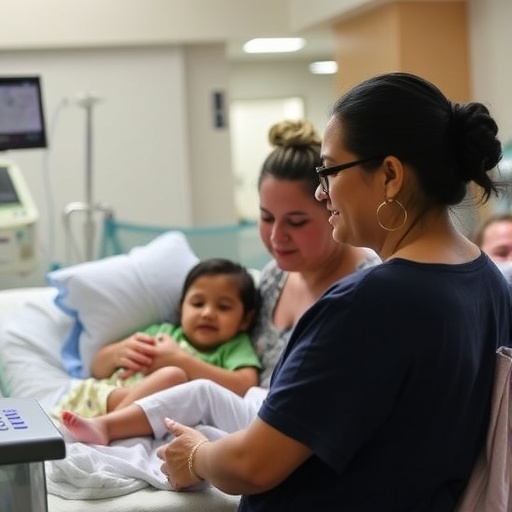
In the field of nursing education, enhancing student preparedness for real-world challenges has become increasingly vital, particularly in the context of disaster situations. The need for effective training methods that can effectively equip nursing students with the knowledge and self-efficacy required in emergencies has been underscored by a recent study conducted by educators Ramadan, S.M., Mohamed, M., and Abo-Elmaty, G. Their innovative approach, which evaluates the Jennings disaster management model, has provided intriguing insights into how disaster management education can be significantly improved for nursing students.
The Jennings disaster management model serves as a foundational framework in emergency response training. Its structured methodology not only emphasizes theoretical knowledge but also prioritizes practical self-efficacy, ensuring that students not only understand the principles behind disaster management but also feel confident in executing these principles in practice. The study explored how effectively this model could be implemented within nursing curricula, paving the way for future educational strategies that incorporate more comprehensive disaster response training.
One significant aspect of this study was how it evaluated the effectiveness of the Jennings model through a methodical approach using a mixed-methods design. Students were assessed both quantitatively and qualitatively, allowing for a more holistic understanding of their learning experience. The results highlighted that students who participated in the Jennings model training exhibited a marked increase in both knowledge and self-efficacy regarding disaster management. This finding is pivotal, considering that nursing students who feel prepared are more likely to respond effectively when real disasters occur.
Furthermore, the interventions designed following the Jennings model were assessed for their impact on the students’ practical skills. The study collected data involving simulation exercises that mimicked real-world disaster scenarios, which enabled students to apply the knowledge they gained in a controlled environment. By participating in these simulations, nursing students reported a significant boost in their confidence levels when faced with potential disaster situations in clinical practice.
In addition to assessing knowledge and practical skills, the study presented a compelling case for incorporating psychological preparedness into nursing education. The Jennings model emphasizes the importance of mental resilience, encouraging nursing students to adopt a proactive mindset towards future challenges. This aspect of training is crucial, as psychological preparedness can substantially affect a nurse’s performance during actual emergencies. The study’s findings indicate that educators should pay closer attention to the emotional and psychological dimensions of disaster management training.
Moreover, the study examined demographic factors that may influence learning outcomes, such as age, prior experience, and educational background. By analyzing these variables, the authors identified trends that can inform tailored training approaches for diverse student populations. This nuanced understanding could lead to the development of bespoke training programs that cater specifically to the unique needs of various student groups, thereby maximizing the educational impact.
The implications of implementing the Jennings disaster management model in nursing education extend beyond the classroom. As healthcare systems worldwide face increasing pressure due to natural disasters, pandemics, and other emergencies, the need for competent and confident healthcare professionals has never been greater. The results of this study could potentially inspire a paradigm shift in how nursing programs across the globe prioritize disaster management training.
Beyond immediate educational benefits, equipping nursing students with robust disaster management skills can lead to improved patient outcomes during crises. By instilling confidence and competence in future healthcare providers, the hope is that these professionals will play a critical role in navigating chaotic situations, ultimately reducing morbidity and mortality rates in disaster-stricken areas.
Additionally, the authors stress the importance of continuous evaluation and refinement of disaster management training programs. As new challenges emerge in the field of healthcare, educational frameworks must adapt accordingly. This study underscores the necessity of ongoing research to ensure that instructional methods remain relevant and effective in preparing nursing students for future uncertainties.
In conclusion, the study by Ramadan, S.M., Mohamed, M., and Abo-Elmaty, G. offers a robust reflection on the effectiveness of the Jennings disaster management model in enhancing nursing students’ knowledge and self-efficacy. By bridging the gap between theoretical knowledge and practical application, the researchers have paved the way for a more resilient future generation of nurses who are not only equipped to handle disasters but are also inspired to lead and innovate within their profession. As nursing educators consider the findings of this pioneering research, the future of nurse education looks promising, with the potential to significantly impact healthcare delivery during emergencies.
Investing in the training of nursing students under models like Jennings could redefine nursing education standards, creating a ripple effect of better-prepared healthcare professionals serving communities globally. The study ultimately serves as a call to action for nursing programs to embrace such transformative educational practices, which could prove essential in a rapidly changing and unpredictable world.
Strong evidence is emerging that points to the necessity of implementing comprehensive disaster management training in nursing curricula. As this study illustrates, equipping future nurses with the necessary skills not only enhances their educational experience but also ultimately contributes to better health outcomes for the populations they serve.
To sum up, evaluating the Jennings disaster management model within nursing education opens up new avenues for impactful research and practice, setting a benchmark for future studies in emergency preparedness training.
Subject of Research: Evaluation of the effectiveness of the Jennings disaster management model on nursing students’ knowledge and self-efficacy.
Article Title: Evaluating the effectiveness of the Jennings disaster management model on nursing students’ knowledge and self-efficacy.
Article References:
Ramadan, S.M., Mohamed, M. & Abo –Elmaty, G. Evaluating the effectiveness of the Jennings disaster management model on nursing students’ knowledge and self-efficacy.
BMC Nurs 24, 1476 (2025). https://doi.org/10.1186/s12912-025-04098-2
Image Credits: AI Generated
DOI: https://doi.org/10.1186/s12912-025-04098-2
Keywords: Disaster management, nursing education, self-efficacy, emergency preparedness, Jennings model.
Tags: disaster management training for nursing studentsemergency response training methodologiesenhancing student preparedness in emergenciesevaluating educational frameworks in nursingholistic assessment of nursing studentsimproving disaster response educationinnovative approaches in nursing curriculaJennings disaster management modelmixed methods research in educationnursing education strategiespractical self-efficacy in nursingreal-world challenges in nursing