In the realm of reproductive biology, the maturation of oocytes represents a critical phase that ultimately influences the success of fertilization and embryo development. Recent research spearheaded by a team of scientists, including Bababashi, Baharara, and Shahrokhabadi, delves into the intricate mechanisms underpinning DNA repair following the in vitro maturation of mouse oocytes. The implications of this study extend beyond basic science, potentially informing clinical practices in reproductive medicine and enhancing our understanding of germ cell development.
Oocytes, or egg cells, are unique in that they must undergo a series of complex developmental stages before they can be successfully fertilized. This maturation process is not only essential for the oocytes to attain competency for fertilization but also for ensuring that the genetic material is intact. The integrity of DNA within the oocyte is paramount, as any damage can have deleterious effects on both fertilization potential and subsequent embryo viability. This study aims to illuminate the role of DNA repair mechanisms that are activated during in vitro maturation.
At the core of the research is the understanding that oocytes are exposed to various stressors that could compromise DNA integrity. These stressors range from environmental factors, such as oxidative stress, to intrinsic factors related to the aging of the oocyte itself. The research identifies specific pathways and cellular mechanisms that come into play for repairing DNA damage during the maturation phase. This work highlights the nuanced regulatory networks that operate within developing oocytes, setting the stage for improved understanding of fertility issues in humans and other mammals.
The researchers utilized an advanced methodology involving both in vivo and in vitro experimental designs to track DNA repair mechanisms. By subjecting mouse oocytes to various stress conditions during maturation, they observed the cellular responses aimed at addressing DNA damage. Essential genes and proteins involved in these pathways were meticulously analyzed, providing insight into how oocytes cope with and rectify DNA damage.
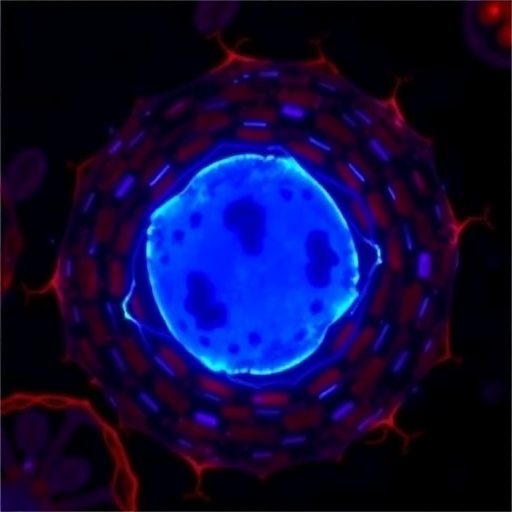
Furthermore, the study employed a variety of assays to assess DNA repair efficiency. Techniques such as comet assays and fluorescence microscopy were utilized to visualize and quantify the level of DNA damage at different maturation stages. The data revealed a dynamic response of the oocytes, illustrating that both repair and damage accumulation can occur synchronously. Such findings underscore the complexity of cellular behavior during the maturation of oocytes.
One of the key findings of this research pertains to the role of specific proteins known as repair enzymes. The expression levels of various DNA repair enzymes varied during the maturation process, suggesting that the timing of exposure to repair mechanisms is a critical parameter. Evidence indicated that certain repair pathways are activated more robustly in oocytes maturing in vitro compared to their in vivo counterparts. This phenomenon may have significant implications for assisted reproductive technologies, which often rely on in vitro maturation techniques.
The implications of these findings extend into the realm of reproductive technologies. With an increase in fertility challenges and the use of assisted reproduction, understanding the DNA repair capacity of oocytes has never been more crucial. Armed with this knowledge, clinicians might better tailor protocols to enhance oocyte quality during in vitro fertilization procedures. This could lead to higher success rates in achieving viable pregnancies, especially in women of advanced reproductive age or those facing infertility.
As the researchers navigate through the complexities of DNA repair during oocyte maturation, they also address the potential consequences of incomplete or faulty repair processes. Incorrect DNA repair could lead to the transmission of genetic defects, contributing to infertility or offspring abnormalities. This concern is particularly relevant in the context of the increasing reliance on in vitro fertilization, where egg quality is a cornerstone of successful outcomes.
Moreover, the research team is keen to explore how these findings may influence strategies for preserving oocyte quality in frozen and thawed embryos. In such scenarios, understanding the repair mechanisms can help mitigate risks associated with cryopreservation, ultimately leading to improved embryo survival and development post-thaw.
In summary, the research conducted by Bababashi and colleagues on DNA repair during the maturation of mouse oocytes not only sheds light on fundamental biological processes but also prompts important discussions about its practical applications in reproductive health. With implications for both basic research and clinical practice, this study lays the groundwork for future investigations exploring the interplay between DNA integrity and oocyte quality. Ultimately, understanding the subtleties of DNA repair mechanisms may pave the way for revolutionary advancements in fertility treatments, ensuring that future generations can benefit from improved reproductive technologies and healthier outcomes.
As our understanding of oocyte biology continues to evolve, studies like this one are crucial for integrating molecular insights with practical applications in reproductive medicine. Further research is anticipated to uncover additional layers of complexity in oocyte maturation, potentially revealing novel targets for intervention in reproductive health challenges. The ongoing exploration of DNA repair mechanisms in oocytes not only satisfies scientific curiosity but carries the promise of significant impact on human fertility and health.
This groundbreaking research signifies a pivotal moment in reproductive biology, with the potential to influence clinical practices and enhance our understanding of fertility. The interplay between DNA repair mechanisms and oocyte maturation deserves continued investigation, as it holds the key to unraveling the complexities of reproduction and enhancing the efficacy of assisted reproductive technologies.
In the near future, scientists hope to bridge the gap between basic research and clinical practice, applying these findings to improve assisted reproductive techniques through tailored interventions aimed at optimizing oocyte quality. As this field evolves, the integration of molecular biology and reproductive medicine will hopefully unlock new avenues for combating infertility and improving reproductive health for countless individuals.
Subject of Research: Evaluation of the DNA Repair Mechanism Following In Vitro Maturation of Mouse Oocytes.
Article Title: Evaluation of the DNA Repair Mechanism Following In Vitro Maturation of Mouse Oocytes.
Article References: Bababashi, M., Baharara, J., Shahrokhabadi, K. et al. Evaluation of the DNA Repair Mechanism Following In Vitro Maturation of Mouse Oocytes. Reprod. Sci. (2025). https://doi.org/10.1007/s43032-025-02030-2
Image Credits: AI Generated
DOI: https://doi.org/10.1007/s43032-025-02030-2
Keywords: Oocyte maturation, DNA repair, infertility, reproductive biology, assisted reproductive technologies.
Tags: advanced reproductive technology studieschallenges in oocyte maturationDNA integrity in fertilizationDNA repair mechanisms in oocytesembryo development success factorsenvironmental stressors impact on fertilitygenetic material in egg cellsgerm cell development insightsimplications for reproductive medicinein vitro maturation of mouse oocytesoxidative stress effects on oocytesreproductive biology research