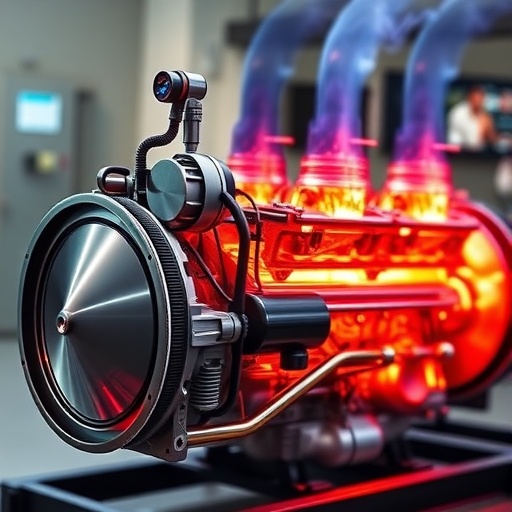
In a transformative shift toward sustainable energy solutions, the pursuit of hydrogen as a fuel source for heavy-duty engines has garnered immense interest. This expansive investigation, spearheaded by researchers including Kappacher, Kapeller, and Christoforetti, delves into the complexities surrounding combustion phenomena in hydrogen engines operating under specific conditions. The implications of this research extend far beyond mere academic curiosity, hinting at significant advancements in reducing greenhouse gas emissions and enhancing engine performance.
The hydrogen engine concept is not merely a novel idea; it represents a strategic pivot in automotive engineering aimed at addressing the pressing challenges of climate change. This study meticulously explores the combustion anomalies that can occur within this innovative engine type under controlled environments. By systematically examining these phenomena, the researchers aim to identify strategies that can optimize performance while mitigating the risks associated with irregular combustion patterns.
One of the most significant challenges in hydrogen combustion is its propensity for a range of anomalies, which can lead to inefficiencies and even catastrophic engine failures. The research team’s approach involved a series of carefully designed experiments that probed the intricacies of hydrogen combustion. With an arsenal of advanced diagnostic tools, the researchers captured detailed data on how hydrogen interacts at various engine operating conditions.
Through these experiments, the researchers discovered that certain combustion anomalies could be linked directly to specific operating variables such as fuel pressure, air-fuel ratios, and engine temperature. Understanding the relationships between these variables enabled the team to articulate comprehensive models predicting when and why anomalies would manifest. Their findings are not only relevant to the development of hydrogen engines but also offer broader insights applicable to any combustion-based technology.
Moreover, the experimental setup captured a variety of combustion regimes, showcasing the expansive potential of hydrogen as a fuel. Researchers examined both lean and rich mixtures, providing a holistic view of hydrogen’s combustion profile. This included assessing emissions at varying levels of engine load, presenting data that could prove vital for regulatory compliance and environmental standards in the automotive industry.
The implications of achieving a more stable combustion process in hydrogen engines extend into the realm of safety as well. Irregular combustion can lead to increased pressure spikes within the combustion chamber, posing risks to engine integrity. By quantifying these anomalies, the researchers pave the way for advancements in engineering designs that prioritize safety and reliability. These advancements are crucial for promoting the widespread adoption of hydrogen-powered vehicles in the commercial heavy-duty sectors.
Engineers and manufacturers are eager to integrate the findings from this research into practical applications. The insights gained could influence the design of next-generation hydrogen engines, guiding innovations that improve not only performance but also reduce the overall cost of production and maintenance. As manufacturers pivot toward sustainability, this research serves as a blueprint for effective engineering strategies in the transition to hydrogen-based solutions.
The role of hydrogen as a fuel source is not limited to heavy-duty engines; it encompasses a wider range of applications across various transportation modes. However, the successful commercialization of hydrogen engines hinges on overcoming combustion anomalies identified in this research. Addressing these concerns heads-on will ultimately dictate the pace at which hydrogen technology can be mainstreamed and adopted.
This exploratory work by Kappacher and colleagues is set to inspire further studies aimed at refining hydrogen combustion technologies. Enhanced knowledge of combustion dynamics and anomalies will catalyze the development of robust control systems, vital for maintaining optimal engine performance and efficiency. Coupled with advancements in hydrogen production and storage technology, we may soon witness a new era in energy-efficient transportation.
As we stand at the precipice of a future informed by renewable energy sources, the successful integration of hydrogen engines into the automotive market could drive substantial changes in emissions profiles on a global scale. Automakers are keenly aware of their environmental responsibilities and the growing regulatory pressures associated with them. This research beautifully underscores the scientific underpinnings necessary for achieving sustainable advancements in engine technology.
In summary, this significant research contributes to the ongoing dialogue regarding energy sustainability and innovation. The meticulous study of combustion anomalies in hydrogen engines fosters greater understanding of the challenges and opportunities within this field. With the world facing an urgent need for cleaner fuel alternatives, the work of Kappacher, Kapeller, and Christoforetti signifies a pivotal moment for engineering and environmental stewardship.
Ultimately, the findings promise a future where heavy-duty hydrogen engines not only thrive in performance but also lead the charge toward extensive reductions in fossil fuel dependency. As scientists, engineers, and policymakers come together, the insights gleaned from this extensive research will continue to inform discussions, strategies, and the development of technologies crucial for creating a sustainable future.
The path ahead remains filled with challenges, but the prospects for hydrogen as a reliable and efficient fuel source have never been more promising. With ongoing research and collaboration, the vision of a zero-emissions transportation sector appears within reach, driven forward by innovative engineering and unwavering commitment to environmental preservation.
Subject of Research: Combustion anomalies in heavy-duty hydrogen engines
Article Title: Experimental quantification and assessment of combustion anomalies under defined operating conditions of a heavy-duty hydrogen engine
Article References:
Kappacher, P., Kapeller, D., Christoforetti, P. et al. Experimental quantification and assessment of combustion anomalies under defined operating conditions of a heavy-duty hydrogen engine.
Automot. Engine Technol. 10, 14 (2025). https://doi.org/10.1007/s41104-025-00161-x
Image Credits: AI Generated
DOI: https://doi.org/10.1007/s41104-025-00161-x
Keywords: Hydrogen engines, combustion anomalies, heavy-duty vehicles, sustainable energy, automotive technology.
Tags: advanced diagnostic tools for combustionautomotive engineering advancementsclimate change mitigation technologiescombustion phenomena in hydrogen enginescontrolled environment experimentsgreenhouse gas emissions reductionheavy-duty hydrogen engines researchhydrogen combustion efficiency challengeshydrogen engine combustion anomaliesirregular combustion patterns in enginesperformance optimization strategiessustainable energy solutions