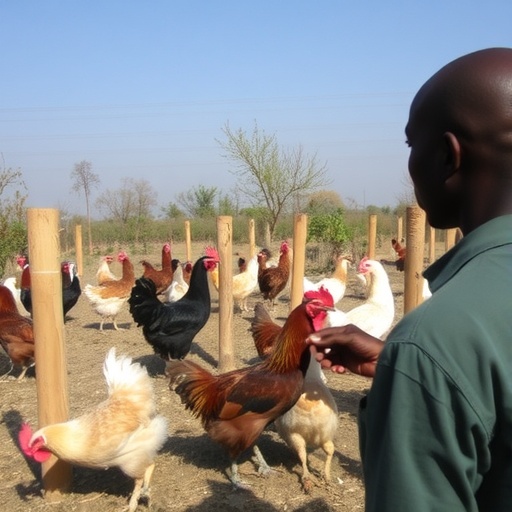
In the realm of agricultural practices, traditional chicken production has emerged as a topic of increased interest among researchers and farmers alike. In regions like the Gursum district of the Fafan Zone in the Somali Regional State of Ethiopia, local practices play a crucial role in defining the socio-economic landscape. A recent study titled “Evaluation of traditional chicken production practices in the Gursum district of the Fafan Zone” led by Ibrahim and Ateye delves into the intricacies of these practices. It provides a comprehensive examination of the systemic structures governing local poultry production, revealing both the strengths and weaknesses inherent in these methods.
The significance of chicken production in rural Ethiopian communities cannot be overstated. Chickens serve not only as a source of food in terms of meat and eggs but also as a vital component of household economies. For many families in Gursum, poultry farming contributes substantially to their livelihood and food security. This research sheds light on the importance of chickens in economic and nutritional contexts, framing them as indispensable assets for families striving for sustainability amidst challenging environmental conditions.
As Ibrahim and Ateye explore the cultural and practical dimensions of chicken farming, they emphasize the varied traditional practices that have been passed down through generations. These practices are often rooted in local knowledge, tailored to the specific climates and ecological conditions of the Fafan Zone. This ethnobiological approach offers valuable insights into how indigenous communities adapt and maintain their poultry farming techniques in harmony with their environment. The authors meticulously document these practices, examining everything from breeding and feeding to housing and disease management.
A pivotal aspect of the study involves the assessment of poultry breeds commonly raised in the Gursum district. The local breeds are typically hardy, adapted to the harsh climates of the region, and often require minimal input compared to industrial poultry farming methods. Yet, this resilience comes with challenges. The authors highlight the need for better management practices to combat disease outbreaks, which can decimate flocks and threaten the stability of household incomes. This focus on health management underscores the critical intersection of animal welfare and economic viability.
Moreover, the researchers delve into the economic dimensions of chicken production, emphasizing the importance of market access for local producers. Poultry farming, albeit largely subsistence-oriented, possesses the potential to generate income through the sale of eggs and live birds. The study highlights the barriers faced by these farmers in accessing broader markets, including lack of infrastructure and inadequate transportation. Such insights compel policymakers to consider targeted interventions that could uplift these communities by enhancing their access to markets and resources.
The study does not shy away from acknowledging the socio-cultural context of poultry farming in Gursum. Chickens play a vital role in various cultural rituals and community events, symbolizing status and wealth within these communities. Ibrahim and Ateye provide qualitative data through interviews and community engagement, demonstrating how deeply intertwined poultry farming is with local identities and traditions. Understanding this cultural significance is paramount for anyone looking to implement agricultural policies or interventions in the region.
A fascinating trend identified by the researchers is the gradual shift in poultry production practices in response to external influences. Modernization efforts, including the introduction of enhanced feed, veterinary services, and biosecurity measures, are slowly being adopted among traditional farmers. However, there exists a tension between maintaining traditional practices and embracing these modern conveniences. The study calls for a balanced approach that respects local traditions while promoting practices that enhance productivity and animal welfare.
The potential for disease transmission is a critical theme throughout this research. The authors underscore that traditional chicken farming, while sustainable, is susceptible to disease outbreaks, particularly those that may arise from interaction with wild bird populations. This aspect of the study resonates with global health considerations, calling attention to the need for integrated disease monitoring systems that involve both veterinary and public health sectors. Effective surveillance and management could mitigate risks associated with zoonotic diseases, benefiting both farmers and the wider community.
Integral to the findings of the study is the call for education and training among local farmers. By increasing the knowledge base surrounding modern poultry management techniques, farmers can improve their production yields while maintaining ecological and cultural sustainability. This educational approach fosters a community of informed farmers who can make better decisions regarding animal husbandry, ultimately enhancing the resilience of the whole system. The importance of training programs cannot be overstated, as empowered farmers are more likely to experiment with and adopt practices that boost productivity.
Furthermore, the study touches on the challenges posed by climate change, which are increasingly affecting agricultural practices worldwide. As temperatures rise and weather patterns shift, farmers in Gursum face new pressures that force them to adapt their poultry farming practices. Ibrahim and Ateye discuss strategies that could assist farmers in mitigating these impacts, including diversifying breeds and incorporating climate-resilient practices. Addressing climate change is not just vital for sustainability, but it is also critical for the continuity of these traditional farming practices that have sustained communities for generations.
The implications of this research extend beyond the local context of Gursum. The findings serve as a model for evaluating and improving traditional practices in other regions with similar socio-economic and environmental challenges. By documenting local methods, the study contributes to a growing body of literature that advocates for the inclusion of traditional practices in conversations about food security and sustainable development. Policymakers and researchers alike can draw valuable lessons from the Ethiopian experience as they engage with similar communities across the globe.
In conclusion, the study by Ibrahim and Ateye is not merely an academic exploration but a call to action. It highlights the resilience of traditional chicken production practices and the vital role they play in enhancing food security and local economies in the Gursum district of Ethiopia. However, the challenges outlined within the study serve as a reminder of the need for ongoing support and innovation to sustain these practices in the face of modern pressures. By fostering collaboration between traditional knowledge holders, policymakers, and researchers, the potential for sustainable development in poultry farming can be realized, ultimately benefiting the entirety of the community.
As we observe the evolution of agriculture, it is essential to recognize the values embedded in traditional practices and the potential they hold in shaping a sustainable future for food production worldwide. The insights gained from Ibrahim and Ateye’s research will undoubtedly continue to resonate, serving as a beacon for future endeavors aimed at strengthening agricultural systems while honoring the wisdom of the past.
Subject of Research: Traditional chicken production practices in Gursum district, Fafan Zone, Somali Regional State, Ethiopia.
Article Title: Evaluation of traditional chicken production practices in the Gursum district of the Fafan Zone, Somali regional State, Ethiopia.
Article References:
Ibrahim, A.A., Ateye, M.D. Evaluation of traditional chicken production practices in the Gursum district of the Fafan Zone, Somali regional State, Ethiopia.
Discov Anim 3, 4 (2026). https://doi.org/10.1007/s44338-025-00160-0
Image Credits: AI Generated
DOI: https://doi.org/10.1007/s44338-025-00160-0
Keywords: Traditional chicken production, Gursum district, Ethiopia, poultry farming, sustainable development, food security, local practices, cultural significance, climate change, economic viability, disease management, farmer training, indigenous knowledge, market access.
Tags: challenges in poultry farmingcultural significance of chickens in Ethiopiaevaluation of agricultural practices in Ethiopiafood security in Ethiopian communitiesGursum poultry production methodsIbrahim and Ateye study on poultrynutritional value of chicken meat and eggsrural livelihoods and chicken productionsocio-economic impact of chicken farmingstrengths and weaknesses of traditional farmingsustainable livestock managementtraditional chicken farming practices