• HOME
  • NEWS
  • EXPLORE
    • CAREER
      • Companies
      • Jobs
    • EVENTS
    • iGEM
      • News
      • Team
    • PHOTOS
    • VIDEO
    • WIKI
  • BLOG
  • COMMUNITY
    • FACEBOOK
    • INSTAGRAM
    • TWITTER
Tuesday, November 17, 2026
BIOENGINEER.ORG
No Result
View All Result
  • Login
  • HOME
  • NEWS
  • EXPLORE
    • CAREER
      • Companies
      • Jobs
        • Lecturer
        • PhD Studentship
        • Postdoc
        • Research Assistant
    • EVENTS
    • iGEM
      • News
      • Team
    • PHOTOS
    • VIDEO
    • WIKI
  • BLOG
  • COMMUNITY
    • FACEBOOK
    • INSTAGRAM
    • TWITTER
No Result
View All Result
Bioengineer.org
No Result
View All Result
Home NEWS Science News Health

Applying machine learning to biomedical science

Bioengineer by Bioengineer
August 17, 2020
in Health
Reading Time: 2 mins read
0
IMAGE
Share on FacebookShare on TwitterShare on LinkedinShare on RedditShare on Telegram

How deep learning and ensemble methods are working together
IMAGE

Credit: University of Sydney

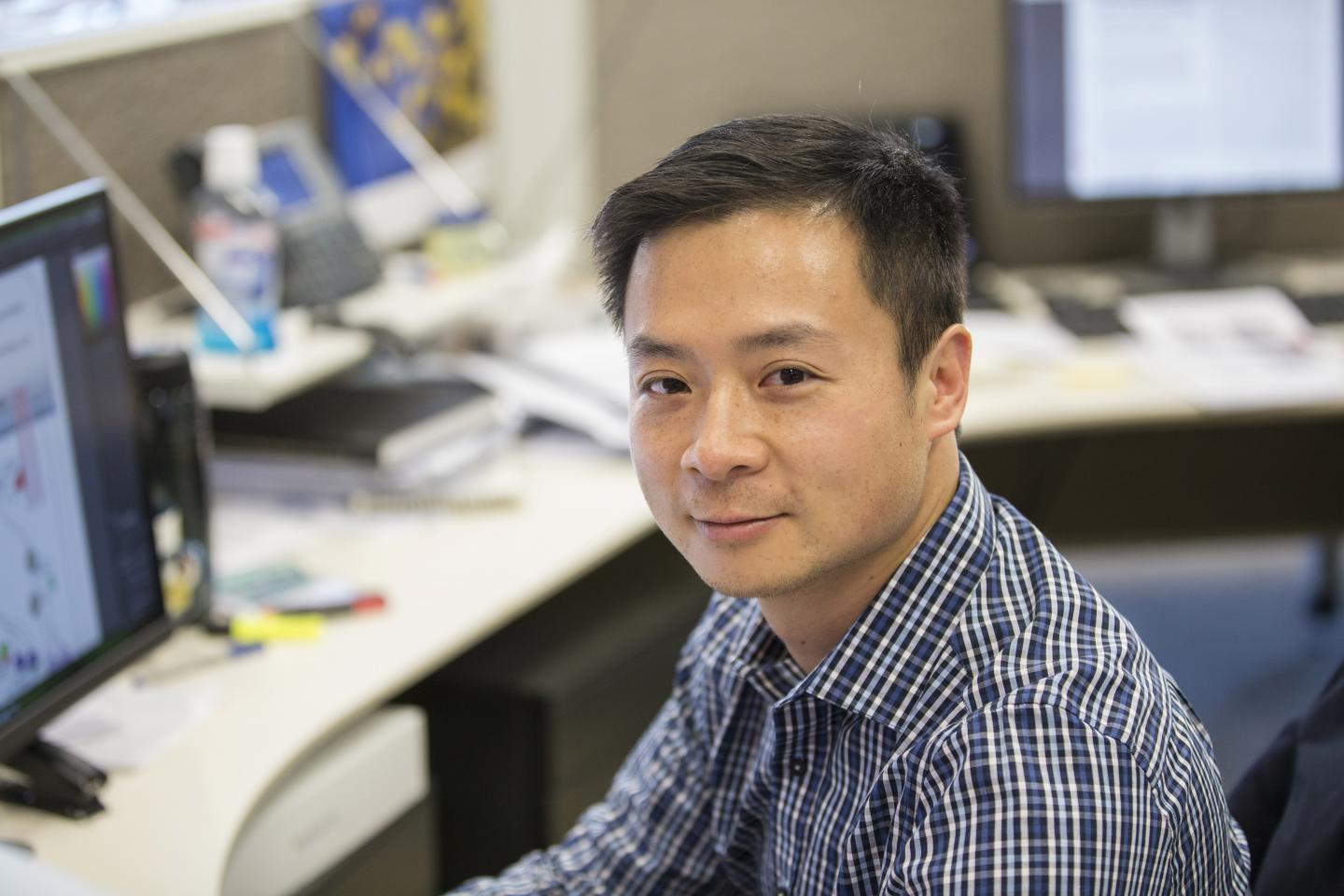
With potential application diagnosing cancer or predicting how viruses, such as HIV, attack human cells, machine learning is opening promising new areas of application for bioinformatics – the data science of molecular biology. Dr Pengyi Yang from the Charles Perkins Centre and School of Mathematics and Statistics with colleagues has summarised the latest developments in this emerging field in a review article in Nature Machine Intelligence.

Latest techniques are bringing together two previously disparate approaches to machine learning: ensemble methods and deep learning.

Just like ‘many heads are better than one’, ensemble deep learning combines multiple ‘computer brains’ to achieve high levels of performance. Dr Yang summarises the latest developments in ensemble deep learning and its application in a range of biological and biomedical fields; highlights achievements unattainable by traditional methods; and maps out its potential to revolutionise molecular biological and biomedical sciences.

###

‘Ensemble deep learning in bioinformatics’, Nature Machine Intelligence

DOI: 10.1038/s42256-020-0217-y

Authors: Yue Cao, Thomas Andrew Geddes, Jean Yee Hwa Yang, Pengyi Yang

Corresponding author: pengyi.yang@sydney.edu.au

DECLARATION: The authors receive funding from the Australian Research Council, National Health and Medical Research Council and the University of Sydney.

Media Contact
Marcus Strom
marcus.strom@sydney.edu.au

Related Journal Article

http://dx.doi.org/10.1038/s42256-020-0217-y

Tags: cancerComputer ScienceMathematics/StatisticsRobotry/Artificial IntelligenceVirology
Share12Tweet8Share2ShareShareShare2

Related Posts

Review Assesses Astragalus Polysaccharide Structures, Anti-Inflammatory Pathways, and Clinical Barriers

Review Assesses Astragalus Polysaccharide Structures, Anti-Inflammatory Pathways, and Clinical Barriers

November 17, 2026
Dietary Knowledge and Food Preferences Predict Psychological Wellbeing in Chinese Older Adults

Dietary Knowledge and Food Preferences Predict Psychological Wellbeing in Chinese Older Adults

November 17, 2026

Teleost Fish Osmoregulation Review Uncovers Key Pathways for Renal Pharmacology Research

November 17, 2026

Procurement Reform Drives Hip Replacement Cost Cuts Under Dual Chinese Policies

November 17, 2026
Please login to join discussion

POPULAR NEWS

  • Vitamin A Deficiency Persists in Congolese Children Despite Long-Term Supplementation Efforts

    Vitamin A Deficiency Persists in Congolese Children Despite Long-Term Supplementation Efforts

    29 shares
    Share 12 Tweet 7
  • Veterinarians Identify Twelve Defences to Improve Medication Safety in Sows

    29 shares
    Share 12 Tweet 7
  • Ascending Aorta Shows Marked Elongation Before Dissection Despite Only Moderate Dilatation

    29 shares
    Share 12 Tweet 7
  • Rural Australian Hospital Study Links Insulin and Polypharmacy to Medication Readmissions

    29 shares
    Share 12 Tweet 7

About

We bring you the latest biotechnology news from best research centers and universities around the world. Check our website.

Follow us

Recent News

Review Assesses Astragalus Polysaccharide Structures, Anti-Inflammatory Pathways, and Clinical Barriers

Dietary Knowledge and Food Preferences Predict Psychological Wellbeing in Chinese Older Adults

Teleost Fish Osmoregulation Review Uncovers Key Pathways for Renal Pharmacology Research

Subscribe to Blog via Email

Enter your email address to subscribe to this blog and receive notifications of new posts by email.

Join 88 other subscribers
  • Contact Us

Bioengineer.org © Copyright 2023 All Rights Reserved.

Welcome Back!

Login to your account below

Forgotten Password?

Retrieve your password

Please enter your username or email address to reset your password.

Log In
No Result
View All Result
  • Homepages
    • Home Page 1
    • Home Page 2
  • News
  • National
  • Business
  • Health
  • Lifestyle
  • Science

Bioengineer.org © Copyright 2023 All Rights Reserved.